‘Act without delay’: Brussels warns Albania over Trump-linked resort project
‘Act without delay’: Brussels warns Albania over Trump-linked resort project Act without delay - Brussels has issued a clear directive to Albania, urging

‘Act without delay’: Brussels warns Albania over Trump-linked resort project
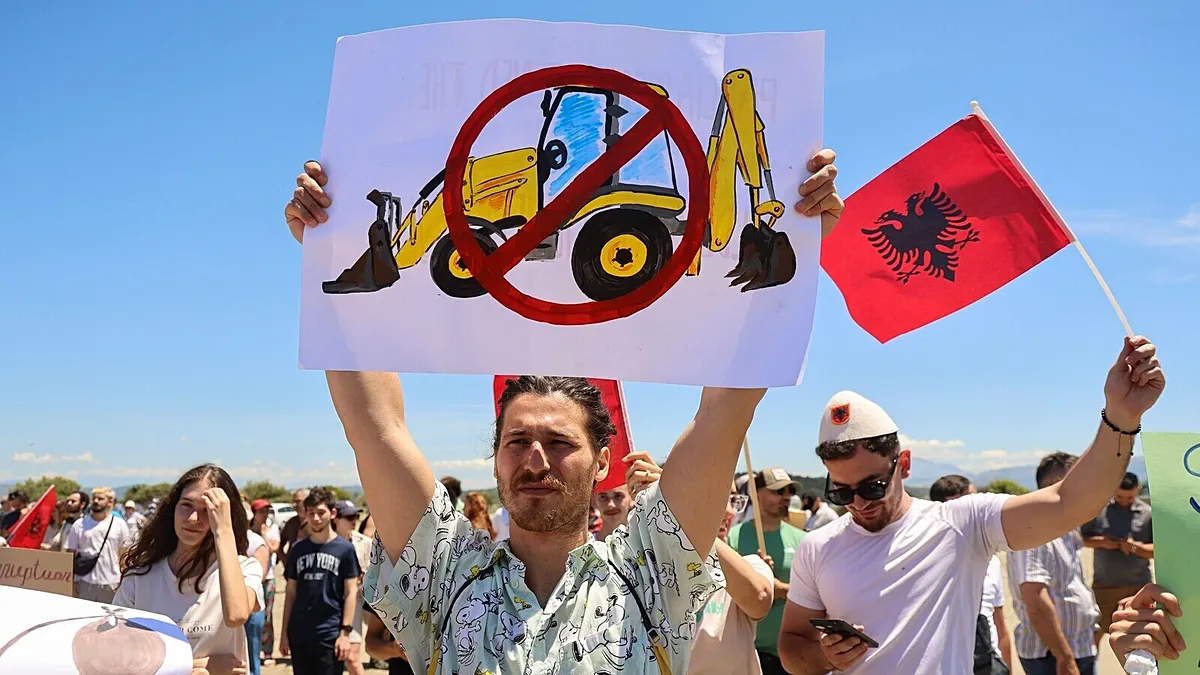
Poinews.com – Brussels has issued a clear directive to Albania, urging immediate action to address concerns surrounding a €1.4 billion resort development linked to Donald Trump’s family. The European Commission highlighted the urgency of the issue, emphasizing that delays in resolving the project could jeopardize Albania’s progress in its path toward EU membership. Environmental activists, however, have been mobilizing for nearly two weeks, protesting the proposed construction in two protected zones along the Adriatic coast. The focus keyword—“act without delay”—has become central to the debate, underscoring the European Union’s demand for swift decision-making to uphold ecological and regulatory standards.
EU’s Call for Swift Compliance with Environmental Standards
EU officials reiterated their stance during a recent press briefing, stressing that Albania must “act without delay” to ensure the project aligns with environmental protections outlined in Chapter 27 of its accession negotiations. The Commission has raised alarms about the potential for the development to disrupt sensitive ecosystems, including the Narta Lagoon and Sazan Island. Guillaume Mercier, a spokesperson for the European Commission, warned that failing to address these issues promptly could undermine Albania’s credibility in EU talks. “This project represents a critical test for the country’s commitment to environmental compliance,” he stated, adding that the EU is closely monitoring the situation for signs of regulatory backsliding.
Revisions to Albania’s 2015 strategic investments law have been a focal point of the Commission’s concerns. The law, which allows exemptions for projects exceeding €50 million, has been cited as a key enabler for Affinity Partners, the firm behind the Trump-linked development. Brussels has called for a thorough review of these legal provisions, arguing that they create opportunities for favoritism and weaken transparency in public investments. The Commission’s report from 2025 also pointed to similar amendments in the protected areas law, which critics claim have eroded environmental safeguards. These changes have intensified scrutiny over the project’s long-term impact on biodiversity and conservation efforts.
Project Supporters Frame It as a Strategic Economic Initiative
Prime Minister Edi Rama has defended the resort project, framing it as a vital component of Albania’s economic development strategy. In a recent statement, he described the opposition as part of a broader “hybrid war” aimed at destabilizing the government’s progress toward EU integration. Demonstrators, however, have persisted in their protests, using the pink flamingo—a symbol of the Narta Lagoon’s ecological significance—as a rallying point. Activists have organized inflatable replicas of the bird to highlight the threat posed by the construction, drawing attention to the region’s unique wildlife. The debate has also sparked discussions about the role of foreign investors in shaping Albania’s environmental policies.
While the European Commission pushes for immediate action, the Albanian government has argued that the project is economically justified. The resort, located near the Narta Lagoon, is expected to generate thousands of jobs and boost tourism in the region. Affinity Partners, which has secured special permissions for the development, is connected to Jared Kushner and Ivanka Trump, who have previously praised the project’s potential. Despite these endorsements, the EU remains skeptical, citing concerns about the lack of public consultation and the project’s environmental footprint. “We need to balance economic growth with ecological preservation,” said Mercier, urging Albania to accelerate its response.
The legal and environmental challenges surrounding the project have drawn attention to the broader implications for Albania’s EU accession process. The Commission has highlighted the need for the country to demonstrate its ability to implement EU standards consistently. If the project is approved without addressing these concerns, it could signal a lack of commitment to the environmental commitments Albania has made as part of its membership bid. Additionally, the ongoing investigation by Albania’s anti-corruption body, SPAK, into the 2024 law revisions adds another layer of scrutiny to the project’s legitimacy. The findings of this probe may influence the EU’s final assessment of Albania’s readiness for membership.
As the controversy intensifies, the focus keyword “act without delay” continues to resonate in both official statements and public discourse. The European Commission has emphasized that the project’s fate will be a litmus test for Albania’s ability to meet its obligations under EU environmental regulations. Meanwhile, the opposition remains steadfast in its demand for a halt to the development, arguing that the long-term ecological damage outweighs short-term economic gains. With the EU’s expansion timeline in mind, the outcome of this debate will be closely watched by both domestic and international stakeholders.