Zoinks! Fans outraged over four-legged star of Netflix’s Scooby-Doo live-action reboot
Zoinks! Fans Outraged Over Four-Legged Star in Netflix's Scooby-Doo Reboot Zoinks Fans outraged over four legged - Zoinks!

Zoinks! Fans Outraged Over Four-Legged Star in Netflix’s Scooby-Doo Reboot
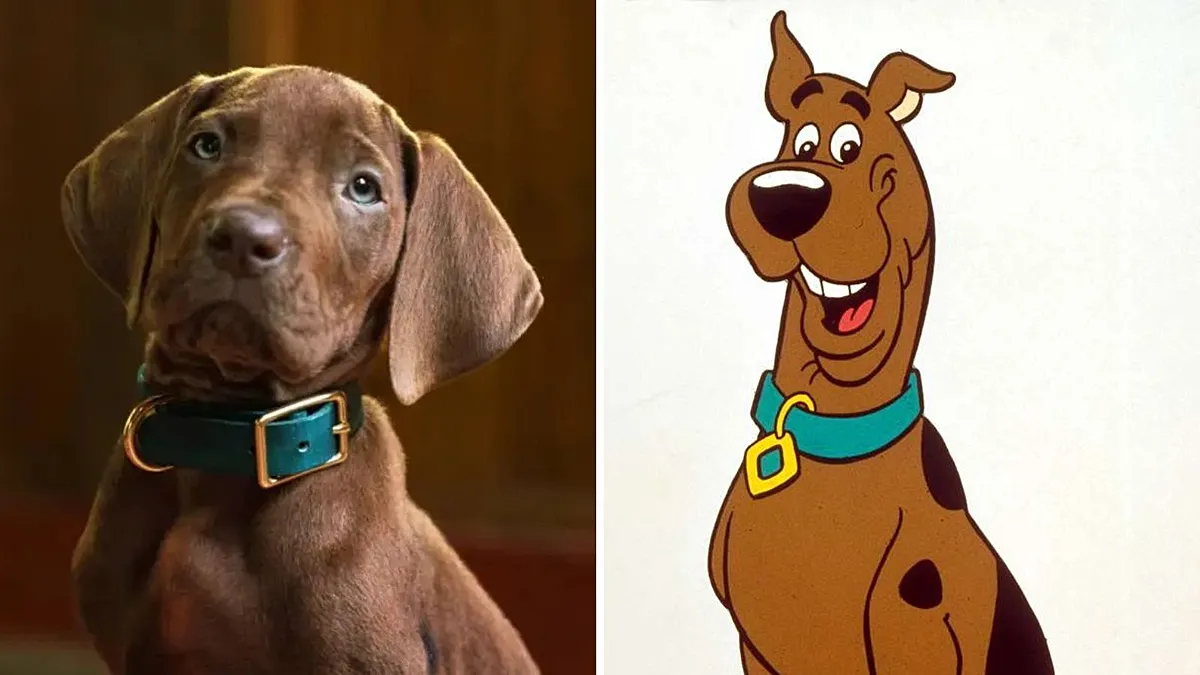
Poinews.com – Zoinks! Fans are expressing frustration over the casting of a four-legged star in Netflix’s upcoming Scooby-Doo live-action reboot. The series, Scooby-Doo: Origins, features a young version of the iconic detective dog, Shaggy, who is portrayed as a Great Dane puppy. While the project aims to modernize the classic franchise, the decision has sparked widespread debate, with many loyal fans questioning whether the visual representation of Scooby-Doo truly captures the essence of the beloved character. The 2027 premiere has already generated a mix of excitement and disappointment, particularly after the first trailer revealed the canine protagonist’s appearance.
The Visual Dilemma of Scooby’s Four-Legged Legacy
At the heart of the controversy lies the physical portrayal of Scooby-Doo, a character that has been synonymous with a Great Dane for decades. Critics argue that the reboot’s choice of a four-legged dog in its young iteration deviates from the established visual identity, which has been a cornerstone of the franchise’s appeal since its debut in the 1960s. While some defend the decision as a creative evolution, others claim it undermines the nostalgia factor and the iconic design that fans have come to associate with the character. The debate has spilled into social media, where users are using hashtags like #ScoobyDooReboot and #FourLeggedStar to voice their opinions.
Franchise History and Fan Expectations
Scooby-Doo, first introduced in the 1960s by Joe Ruby and Ken Spears, has become a cultural icon through its mix of humor, mystery, and the character’s distinctive appearance. For years, the Great Dane has been a symbol of the show’s charm, with its floppy ears and goofy demeanor. Fans of the original series, however, have been particularly vocal about their disappointment with the reboot’s canine protagonist, who they argue lacks the recognizable traits that made Scooby-Doo a household name. This sentiment is echoed in online forums and comment sections, where some fans compare the new version to the original cartoon’s portrayal, highlighting the perceived gap between the two.
Despite the backlash, the reboot has managed to attract a new audience, particularly younger viewers who may not be as attached to the traditional design. Some argue that the visual choice is a deliberate attempt to make the character more relatable to modern audiences, while others believe it compromises the character’s legacy. The discussion also extends to the role of the four-legged star in the narrative, with critics questioning whether the dog’s appearance could affect the story’s credibility or emotional resonance. This divide reflects the broader challenge of balancing innovation with fan loyalty in reimagining a classic.
Production and Creative Vision
Directed by Josh Appelbaum and Scott Rosenberg, Scooby-Doo: Origins is part of a larger effort to bring the franchise into the 21st century. The live-action series blends the supernatural elements of the original cartoon with real-world settings, offering a fresh take on the mystery-solving adventures. Frank Welker, the long-time voice of Scooby-Doo since 2002, will return to lend his signature voice to the character, ensuring continuity in the storytelling. However, the visual design remains a point of contention, as fans argue that the four-legged star could overshadow the comedic and adventurous spirit that defined the original.
Netflix’s marketing strategy has also drawn attention, with the four-legged protagonist featured prominently in promotional material. This has raised questions about whether the visual choice was made to appeal to a broader demographic or to capitalize on the franchise’s enduring popularity. While some viewers appreciate the new direction, others feel that the focus on the dog’s appearance has overshadowed the potential for a more innovative narrative. The series’ success will likely depend on how well it balances these elements, while also addressing the concerns of its core audience.
Fan Reactions and the Role of Social Media
As the reboot gains traction, social media has become a battleground for fans expressing their frustrations. A post from Netflix US (@netflix) highlighted the controversy, with one user declaring,
“It’s not even close to real Scooby,”
and another adding,
“Y’all had one job…”
“SCOOBY IS A GREAT DANE!!!!!! How do you mess up something so simple????” exclaimed a commenter on Instagram. Others pointed out the dog’s Labrador-like features, with one observer quipping,
“People have never seen a Great Dane puppy and it shows.”
These reactions underscore the significance of visual fidelity in maintaining the character’s cultural identity.
While some fans argue that the four-legged star is a minor detail, others believe it reflects a broader disconnect from the franchise’s roots. The debate has also sparked discussions about the importance of casting choices in shaping a show’s reception. For instance, one fan noted,
“Shaggy’s four-legged look makes him less of a mystery-solving detective and more of a cute sidekick.”
This perspective highlights how the visual design can influence the perception of a character’s role and the overall story. As the series moves closer to its 2027 release, the outcome of this debate may determine its success in the eyes of both longtime fans and new audiences.