As conflicts rage, where are the most peaceful places in the world to travel to right now?
As Conflicts Rage: Where Are the Most Peaceful Travel Destinations Now? Global Peace Index Highlights As conflicts rage where are the most peaceful places in

As Conflicts Rage: Where Are the Most Peaceful Travel Destinations Now?
Global Peace Index Highlights
Poinews.com – As conflicts rage where are the most peaceful places in the world to travel to right now? Amid rising geopolitical tensions and persistent regional wars, the Global Peace Index (GPI) 2026 report sheds light on nations offering relative stability for tourists. The GPI, which ranks 163 countries based on 23 indicators, reveals a continued decline in global peacefulness. While 99 countries showed worsening conditions, 62 improved, with 119 nations now less peaceful than in 2008. This year’s data highlights a 0.7% drop in overall peace levels, emphasizing the need for travelers to seek out safe, stable locations amid ongoing strife.
Recent conflicts, such as the Sudanese civil war and the Ukraine conflict, have contributed to the climate of instability. However, the GPI notes that its 2026 findings only partially reflect the full impact of the Twelve-Day War between Israel, the United States, and Iran, which began in late 2025. The report underscores that while war remains a significant threat, some regions have managed to maintain or improve their peace scores. Travelers are advised to research destinations carefully, as the index does not fully account for localized risks like petty crime or natural disasters.
Top 10 Peaceful Countries
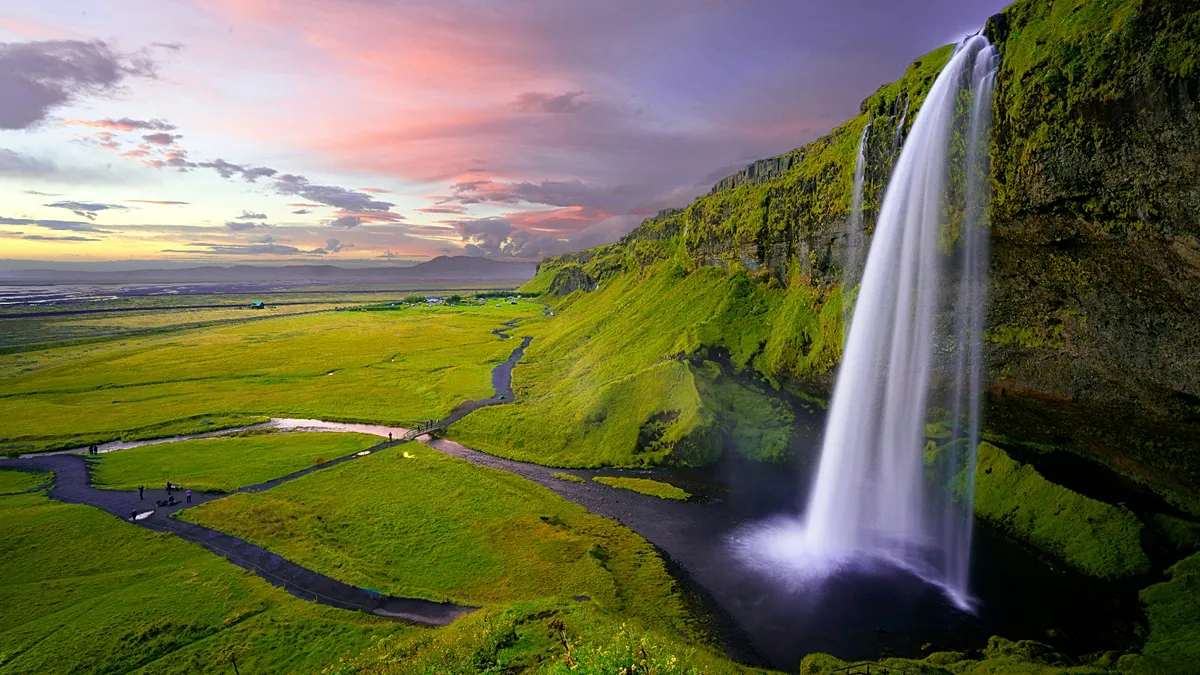
The GPI 2026 identifies Iceland as the most peaceful country for the 19th consecutive year, maintaining its reputation for political stability and low crime. New Zealand ranks second, standing out as a safe haven in the Asia-Pacific. Switzerland and Slovenia follow, with the latter rising two positions to fourth place. Ireland, known for its welcoming culture and high safety standards, secures fifth spot. These top destinations exemplify nations where conflicts are minimal, and societal trust is strong.
Other notable entries include Canada, which climbed 15 places to 12th overall, and Norway, which remains a leader in peacefulness due to its low military expenditure and social cohesion. The GPI also highlights that small island nations and Nordic countries consistently rank high, often outperforming larger, more conflict-prone states. For instance, Luxembourg, despite its size, holds the 16th spot, while Finland and Denmark are among the top 10. These rankings suggest that nations with strong governance, low military involvement, and robust economies are better positioned to offer peaceful travel experiences.
Regional Stability Trends
Western and Central Europe remain the safest regions for travel, with countries like Germany and France maintaining high peace scores. In contrast, the Middle East and North Africa continue to face challenges, though some areas show signs of recovery. The Eastern Europe and Central Asia region experienced the most significant improvement in peacefulness, driven by progress in countries like Poland and Türkiye. Poland’s rise to 22nd globally, with a 9.1% increase in its peace score, highlights the potential for regional stability in conflict-affected areas.
“The GPI provides a broad overview of national stability, but it’s crucial for travelers to consider local conditions,” adds Steve Killelea, founder of the Institute for Economics & Peace. “For example, while the GPI doesn’t track specific risks like petty crime or natural hazards, regions like South Asia have seen sharp declines due to factors like protests and political unrest.”
Nepal, for instance, experienced the steepest drop in peacefulness, falling by 9.1% following Gen Z-led protests in September 2025. Similarly, Chad and the Republic of the Co saw declines, reflecting broader regional instability. On the flip side, Gabon, Lesotho, and Türkiye showed notable improvements, with Türkiye benefiting from ongoing peace talks with the Kurdistan Workers’ Party. These regional trends underscore the importance of understanding local dynamics when planning a trip.
Choosing Safe Travel Destinations
For travelers seeking peace, the GPI serves as a valuable starting point, but it should be complemented with additional research. Countries with low conflict scores and minimal military presence are ideal, but local safety measures and tourism infrastructure also play a role. For example, nations like New Zealand and Iceland offer not only political stability but also natural attractions and well-maintained public spaces, making them appealing to both adventurers and families.
Additionally, travelers should consider the time of year and current events. While the GPI provides a snapshot of national conditions, it does not capture localized risks such as seasonal protests or natural disasters. Regions like the Caribbean and Southeast Asia remain popular for their low conflict levels and welcoming environments. By combining GPI data with up-to-date travel advisories and local insights, tourists can identify destinations that balance safety with cultural richness and scenic beauty.
Peaceful Travel: A Growing Priority
As conflicts rage, the demand for peaceful travel destinations has surged. The GPI 2026 report reflects this trend, with an increasing number of travelers opting for stable countries. While some regions face ongoing challenges, others have managed to maintain peace, offering unique opportunities for exploration. For instance, Nordic nations and Pacific island states continue to attract visitors with their low crime rates and harmonious societies.
Peaceful travel is no longer just a luxury—it’s a necessity in an unpredictable world. The GPI helps highlight the safest spots, but individual travelers must also stay informed about local news and security updates. By prioritizing destinations with consistent peace scores and robust tourism infrastructure, travelers can enjoy a secure, enriching experience. As conflicts rage, the most peaceful places in the world remain a beacon of stability for those seeking respite and adventure alike.