Video. Cars and homes burn as unrest erupts in Belfast after knife attack
t After Stabbing Incident Cars and homes burn as unrest - In the wake of a knife attack in Belfast, the city has descended into chaos as cars and homes burn

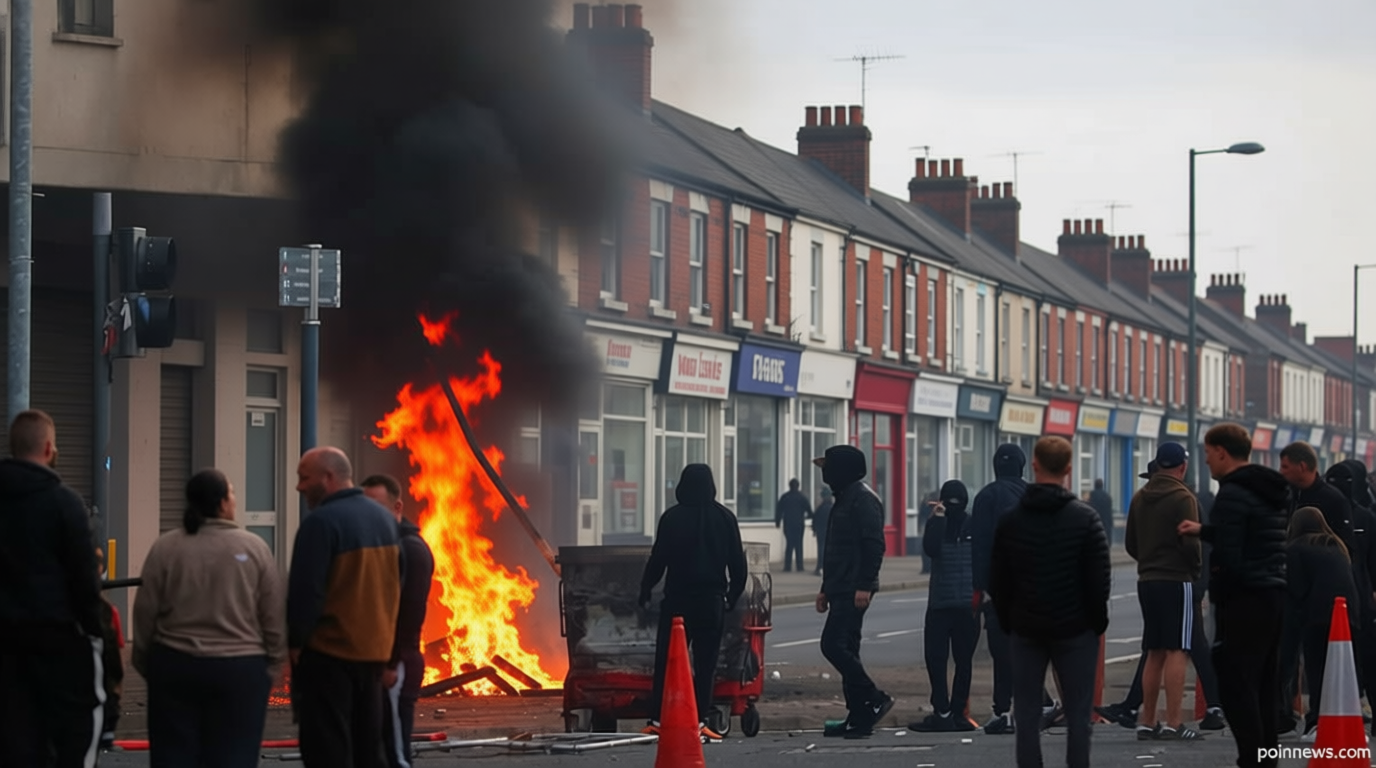
Belfast Faces Chaos as Protests Turn Violent After Stabbing Incident
Poinews.com – In the wake of a knife attack in Belfast, the city has descended into chaos as cars and homes burn, marking a significant escalation in unrest. The incident, which occurred during the early hours of Saturday, sparked widespread demonstrations that quickly turned violent. Witnesses reported scenes of destruction across multiple districts, with flames engulfing vehicles and residential properties. The unrest, which began as a peaceful protest against rising tensions, has since grown into a citywide crisis, drawing international attention. As firefighters worked tirelessly to extinguish the blazes, authorities scrambled to restore order, emphasizing the urgency of the situation. The focus keyword cars and homes burn as unrest encapsulates the heart of this crisis, highlighting the visible and emotional impact of the violence.
The Spark of the Unrest
The unrest in Belfast was ignited by the knife attack that left a man critically injured, triggering immediate outrage among local residents. The victim, identified as a man in his 30s, was reportedly stabbed near a busy intersection, prompting a surge of anger that turned into collective action. Protesters, initially gathered to voice concerns over immigration policies, began to direct their frustrations toward symbols of perceived inequality. The clash between demonstrators and law enforcement escalated rapidly, with some groups targeting police stations and others setting fires in residential areas. As the chaos spread, social media platforms became hubs for real-time updates, with hashtags like #BelfastUnrest trending globally. The interconnected nature of the events underscores how a single act of violence can trigger a cascade of societal reactions.
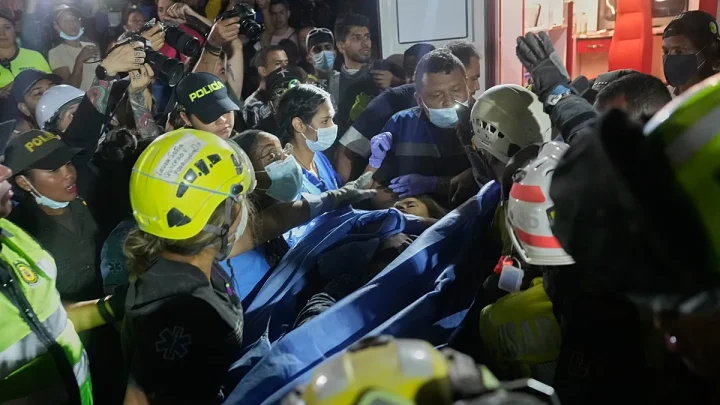
Footage captured cars and residences caught fire as firefighters worked to control the blazes.
The attack’s aftermath has seen an increase in both physical and emotional damage, with cars and homes burn as unrest continuing to ripple through the city. Local officials described the situation as “unprecedented,” noting that the unrest has affected neighborhoods across Belfast, from the Falls Road to the Shankill Road. The incident has also drawn comparisons to past periods of civil conflict, raising questions about the role of historical grievances in fueling current tensions. While some protesters argue that the violence is a necessary response to systemic issues, others criticize the destruction of property as excessive. The conflict has created a polarizing atmosphere, with communities divided over whether the unrest is justified or disproportionate.
Political Leaders Respond to the Crisis
Political leaders in Northern Ireland have called for calm, urging citizens to avoid further escalation of the unrest. Sinn Féin and the Ulster Unionist Party have issued joint statements condemning the violence, emphasizing the need for dialogue over destruction. However, the effectiveness of these appeals remains uncertain as tensions continue to mount. The local government has deployed additional resources, including emergency services and community liaison teams, to address the crisis. Meanwhile, the British and Irish governments have expressed concern, with officials monitoring the situation closely for potential regional implications. The unrest in Belfast not only threatens local stability but also raises fears of a broader resurgence of political conflict.
As the situation unfolds, the role of social media in amplifying the unrest has become evident. Viral videos of burning cars and homes have galvanized public opinion, with some users praising the protesters’ courage and others condemning their actions. The rapid spread of information has also led to misinformation, with conflicting reports about the number of casualties and the exact cause of the initial attack. This digital chaos has mirrored the physical destruction, creating a dual crisis that challenges both the city’s infrastructure and its social fabric. The ongoing unrest highlights the complex interplay between real-world events and their online portrayal, which can shape public perception and influence the trajectory of the conflict.
In the days following the knife attack, Belfast has become a focal point for discussions on governance, community relations, and public safety. The incident has reignited debates about the role of immigration in Northern Irish society, with some groups accusing policymakers of neglecting the needs of marginalized communities. Meanwhile, others argue that the unrest is a symptom of deeper economic and political divides. As the city grapples with the aftermath, the question of how to balance free speech with public order remains central. The burn of cars and homes as unrest continues to symbolize the intensity of these divisions, serving as a stark reminder of the power of collective action in shaping urban landscapes and political narratives.