Video. Mongolian throat singing goes global as ancient art finds new fans
enaissance Mongolian throat singing goes global as ancient - As Mongolian throat singing goes global, this ancient vocal art form is experiencing a remarkable

Mongolian Throat Singing Goes Global: A Cultural Renaissance
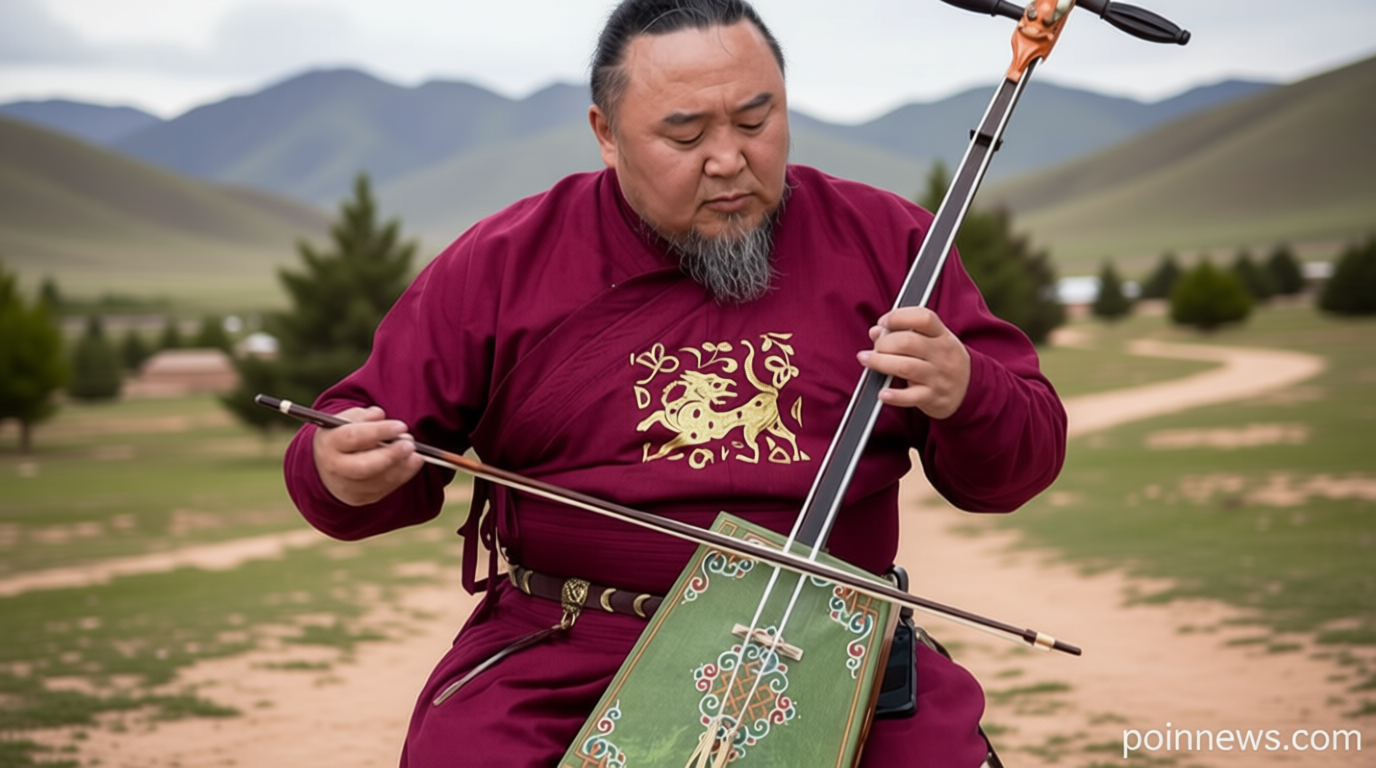
Poinews.com – As Mongolian throat singing goes global, this ancient vocal art form is experiencing a remarkable resurgence in popularity across the world. Rooted in the traditions of the Mongolian people for centuries, khoomei has evolved from a regional practice to a celebrated phenomenon in global music and culture. The art of producing multiple tones simultaneously through precise control of the vocal cords has captivated audiences worldwide, from concert halls to digital platforms. Artists like Batzorig Vaanchig, a key figure in revitalizing this heritage, have played a pivotal role in bringing khoomei into the spotlight, blending traditional techniques with contemporary creativity to ensure its relevance in modern times.
The Origins of Khoomei: A Link to Mongolian Heritage
Khoomei, or throat singing, is a unique form of vocal performance that originated in the nomadic cultures of Mongolia. Historically, it was used to mimic natural sounds, such as wind whistling through grass or the call of a horse, and served as a means of communication across vast distances. The technique involves manipulating the vocal tract to produce harmonics, allowing singers to create layered sounds that resonate with both cultural and spiritual significance. UNESCO recognized khoomei as part of humanity’s intangible cultural heritage in 2008, underscoring its global value and the need for preservation. However, its journey to international acclaim has been gradual, driven by passionate advocates who have worked tirelessly to introduce it to new audiences.
Reviving Khoomei: The Role of Innovation and Collaboration
While traditional instruments like the horsehead fiddle and morin khuur still accompany performances in Mongolia, the modern adaptation of throat singing has expanded its reach far beyond the country’s borders. Batzorig Vaanchig, one of the leading practitioners, has leveraged technology and cross-cultural collaborations to elevate khoomei’s profile. His performances, often paired with electronic beats or ambient soundscapes, demonstrate how this ancient art can coexist with contemporary genres. This fusion has not only attracted younger generations but also sparked interest among international musicians and producers. By integrating khoomei into film scores, documentaries, and even video game soundtracks, Vaanchig and others have made it a versatile and accessible form of expression.
The global fascination with Mongolian throat singing goes global, fueled by its distinctive sound and cultural storytelling. Social media platforms have become vital tools for spreading awareness, with videos of throat singing performances amassing millions of views. These digital spaces allow for real-time engagement, enabling fans from diverse backgrounds to appreciate the art form’s intricacies. Educational initiatives, such as workshops and online tutorials, have also contributed to its growth, demystifying the technique and encouraging experimentation. As a result, throat singing is no longer confined to Mongolia; it has become a bridge between tradition and innovation, fostering a global community of enthusiasts.
Despite its newfound international appeal, the survival of throat singing remains a priority for artists and cultural leaders. Vaanchig emphasizes the importance of sustaining this practice, noting that younger generations are increasingly drawn to it but require guidance to master the skill. He highlights the need for institutional support, including funding for training programs and the documentation of traditional methods. While the art form has found a place in mainstream media, its authenticity and depth are best preserved through dedicated efforts to honor its roots. This balance between tradition and modernity ensures that khoomei continues to thrive as a living cultural expression.
As the world embraces the diversity of traditional music, Mongolian throat singing stands as a testament to the power of cultural preservation. Its journey from a regional practice to a global phenomenon reflects the adaptability of ancient art forms in a rapidly changing world. By engaging with contemporary audiences and integrating into modern media, throat singing has demonstrated its ability to remain relevant without losing its essence. This evolution not only honors Mongolia’s rich heritage but also inspires new generations to explore and celebrate their cultural identity. The ongoing success of throat singing in the global stage is a celebration of creativity, history, and the enduring connection between art and tradition.