From greenhouses to family businesses, entrepreneurship reshapes rural livelihoods
From Greenhouses to Family Businesses: Entrepreneurship Transforms Rural Life in Uzbekistan From greenhouses to family businesses entrepreneurship - In

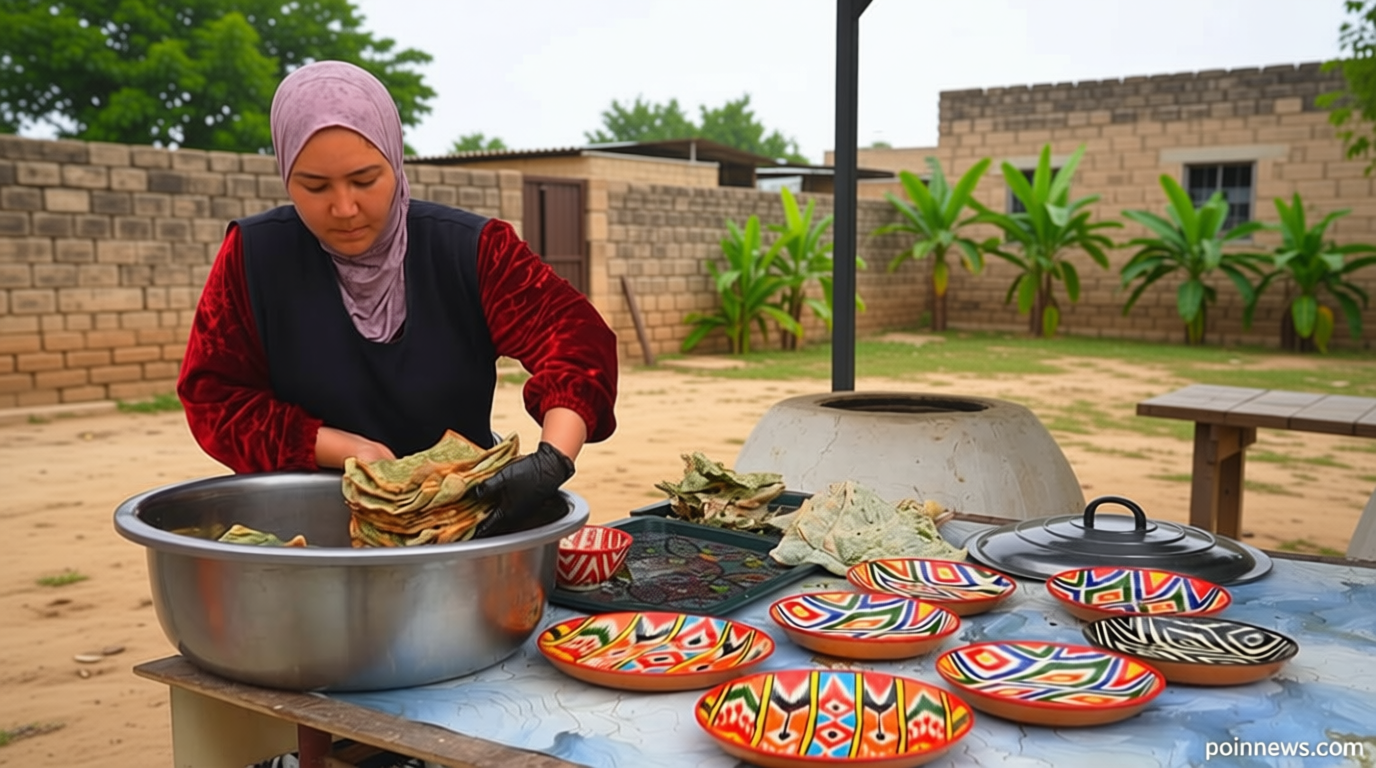
From Greenhouses to Family Businesses: Entrepreneurship Transforms Rural Life in Uzbekistan
Poinews.com – In Uzbekistan’s rural communities, a shift from traditional agriculture to entrepreneurship is reshaping livelihoods. The journey of O‘lmasjon Jumayev, a farmer and beekeeper in the Fergana region, exemplifies this transformation. Starting with a modest 70-square-metre greenhouse and a 5 million soum loan, Jumayev has grown his business to cultivate tomatoes, cucumbers, and herbs, now sustaining his household through self-employment. His story is part of a broader trend where small-scale ventures are challenging outdated models of rural work.
The Rise of Rural Entrepreneurship
The concept of “From greenhouses to family businesses” has become a mantra for Uzbekistan’s economic revival. Over the past decade, government policies and community-driven initiatives have sparked a surge in micro-enterprises, particularly in agriculture and local crafts. These efforts are not just about economic growth—they’re about creating opportunities for rural populations to thrive beyond seasonal farming.
“Entrepreneurship is the engine of rural development,” stated Gulnoza Alimova, head of the Ministry of Employment and Poverty Reduction’s press service. “By supporting small businesses, we empower families to achieve financial independence and build resilience against economic shocks.”
One such initiative, the “From Poverty to Prosperity” program, has provided over 8 million people with access to affordable loans and vocational training. This has led to a dramatic drop in the national poverty rate, from 35% in 2013 to 6.8% in 2023. The program’s success is rooted in its ability to tailor support to regional needs, ensuring that resources align with local market demands.
Revitalizing Local Economies Through Diversification
Small businesses are no longer limited to agriculture. In the Samarkand region, Fazilat Jo‘rayeva’s yurt-style restaurant has become a cultural and culinary tourism hotspot. By serving traditional Uzbek dishes like somsa and patir bread, she has not only created employment for 35 people but also strengthened the local food industry. Her business is a testament to how “from greenhouses to family businesses” can extend beyond farming, opening doors for rural entrepreneurs in hospitality and cultural sectors.
Jo‘rayeva’s venture highlights the indirect economic benefits of such projects. Partnerships with local suppliers and service providers have created ripple effects, supporting more than 100 families through the chain. “We’ve turned our mahalla into a destination for travelers seeking authentic experiences,” she said, emphasizing the program’s role in fostering self-reliance and sustainable growth.
Akmal Nazarov’s transition from subsistence farming to commercial meat production in Surkhandarya region further underscores the diversification trend. With a state-backed loan in 2022, his family established a profitable enterprise that now includes local markets and multiple sales outlets. This shift has ensured year-round economic activity, demonstrating how “from greenhouses to family businesses” can adapt to meet changing market conditions.
Supporting Rural Entrepreneurs with Strategic Funding
Uzbekistan’s poverty reduction strategy hinges on strategic financial support for small enterprises. The government has invested over 2.2 trillion soums in loans and 265 billion soums in subsidies, enabling more than 700,000 entrepreneurs to launch or expand their ventures. These funds are particularly vital for families in regions where agricultural output alone cannot guarantee stability.
Jahongir Normo‘minov, an assistant hokim in Pastdarg‘om, noted that the “From greenhouses to family businesses” model has led to a sharp increase in small enterprises. In his mahalla, the number of such businesses grew from 18 to 61 within a single year. “The key is to ensure that local skills and resources guide economic initiatives,” he said, stressing the importance of aligning programs with regional realities.
The government’s reforms have streamlined access to finance, reducing bureaucratic hurdles and enabling faster project implementation. This has allowed rural entrepreneurs like Jumayev and Jo‘rayeva to experiment with new ideas, from beekeeping to tourism, while maintaining their core livelihoods. Such adaptability is critical in fostering long-term economic resilience in Uzbekistan’s rural areas.
Challenges and Future Prospects
While the growth of “from greenhouses to family businesses” has brought significant progress, challenges remain. Limited access to modern technology and fluctuating market prices can hinder small enterprises, particularly in remote regions. Additionally, the need for ongoing training and mentorship ensures that entrepreneurs can navigate these obstacles effectively.
Despite these hurdles, the momentum is undeniable. With continued investment and community collaboration, Uzbekistan’s rural entrepreneurs are poised to lead the nation’s economic transformation. Their stories—whether in farming, hospitality, or manufacturing—highlight a shift from subsistence to self-sufficiency, proving that small-scale innovation can drive large-scale change. As the government expands its support, the future of rural Uzbekistan looks increasingly promising, built on the foundation of diverse and dynamic local businesses.