Fuel crisis and war costs: Bank of Russia flags risks of faster inflation
Russia's Central Bank Warns of Accelerating Inflation Amid War and Fuel Challenges Interest Rate Adjustment Amid Economic Strains Fuel crisis and war costs

Russia’s Central Bank Warns of Accelerating Inflation Amid War and Fuel Challenges
Interest Rate Adjustment Amid Economic Strains
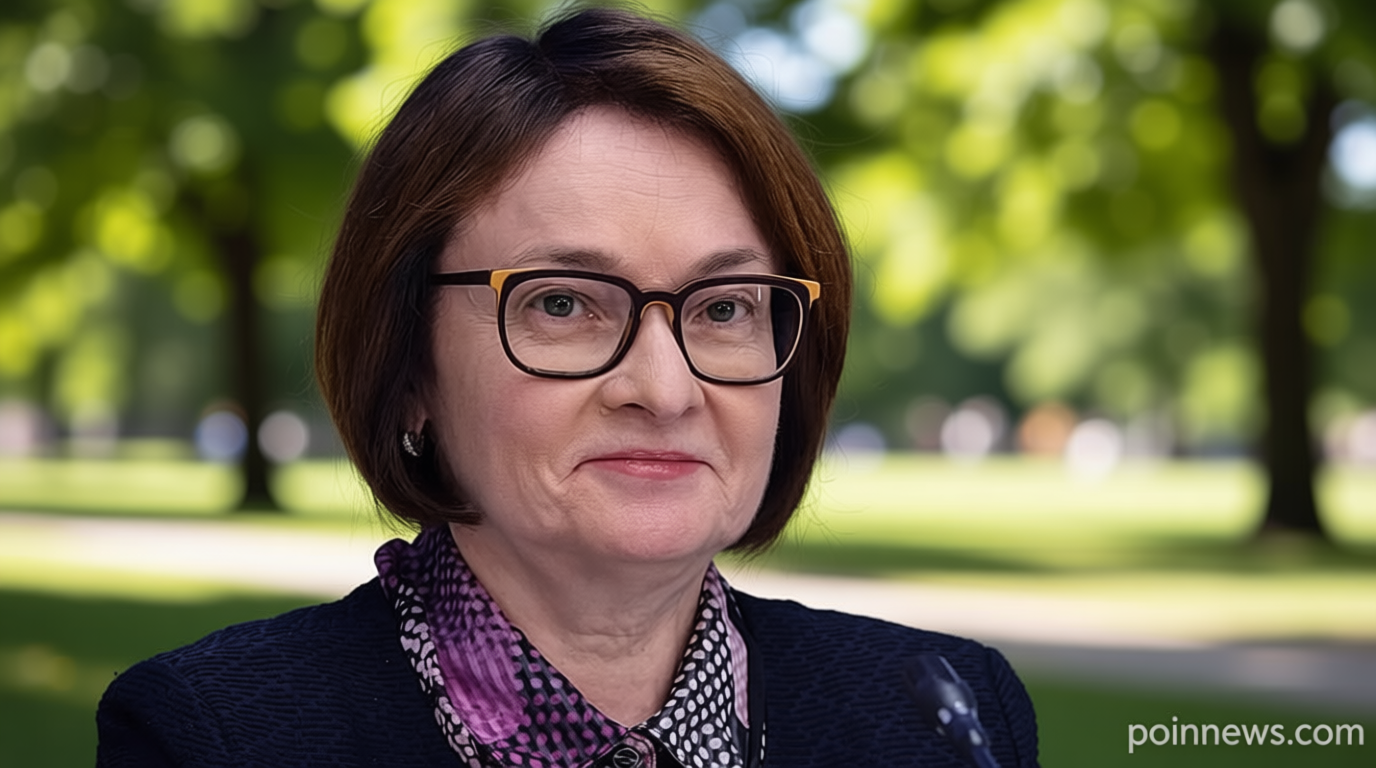
Poinews.com – The Bank of Russia reduced its benchmark interest rate to 14.25%, a move smaller than many analysts predicted, in response to mounting economic pressures. These pressures stem from escalating costs tied to the Ukraine conflict, sanctions imposed by Western nations, and a volatile fuel market driven by intensified drone strikes from Ukraine. Central Bank Governor Elvira Nabiullina, who returned to public appearances after a brief absence, emphasized that monetary easing is unlikely to resume soon.
Factors Behind the Conservative Rate Cut
According to Nabiullina, the decision to keep rates elevated reflects ongoing “pro-inflationary risks.” She highlighted the need for caution due to higher-than-anticipated government spending over the coming years, describing this as a “more expansionary fiscal policy.” The governor noted that the recent reduction in the key rate was influenced by rising petrol prices, which she framed as a critical concern for both consumers and businesses.
“Rising petrol prices may also affect inflation expectations, as this is a highly sensitive commodity both for people and for companies.”
Fuel Market Disruptions and Shortages
Recent months have seen a sharp escalation in Ukrainian drone attacks targeting Russian oil infrastructure, including refineries, ports, and tankers. This has led to supply chain disruptions and localized fuel shortages. In May, oil production hit its lowest level in a year, while at least 53 regions faced shortages. The largest drone strike on Moscow occurred on 18 June, damaging a storage tank at a refinery in the south-eastern region.
Impact on Businesses and Economic Growth
High interest rates have strained businesses, with large firms reducing staff and seeking government aid. Smaller companies face the risk of closure, as noted by experts. The central bank has been cautious in its rate adjustments since last year, as signs of economic slowdown emerged. In the first quarter of 2026, the Russian economy contracted for the first time in three years, driven by high borrowing costs and labor shortages.
Government Budget and Military Spending
As of May, Russia’s budget deficit for the first five months of 2026 reached 6 trillion roubles (€61–62 billion), surpassing the annual target by 60%. Unnamed sources cited by Bloomberg reported plans to increase military expenditures by 4–5 trillion roubles (€41–52 billion) in the coming months. Meanwhile, the government defended its economic resilience, with President Vladimir Putin stating that GDP growth had “only fallen to the level of the eurozone countries” during a speech at the St Petersburg International Economic Forum.