60 years of Notting Hill Carnival: 10 essential songs chosen by its veterans
This August, west London's streets will erupt with drumming, steelpan, and wall-to-wall bass as the Carnival marks its sixtieth edition. What started as a

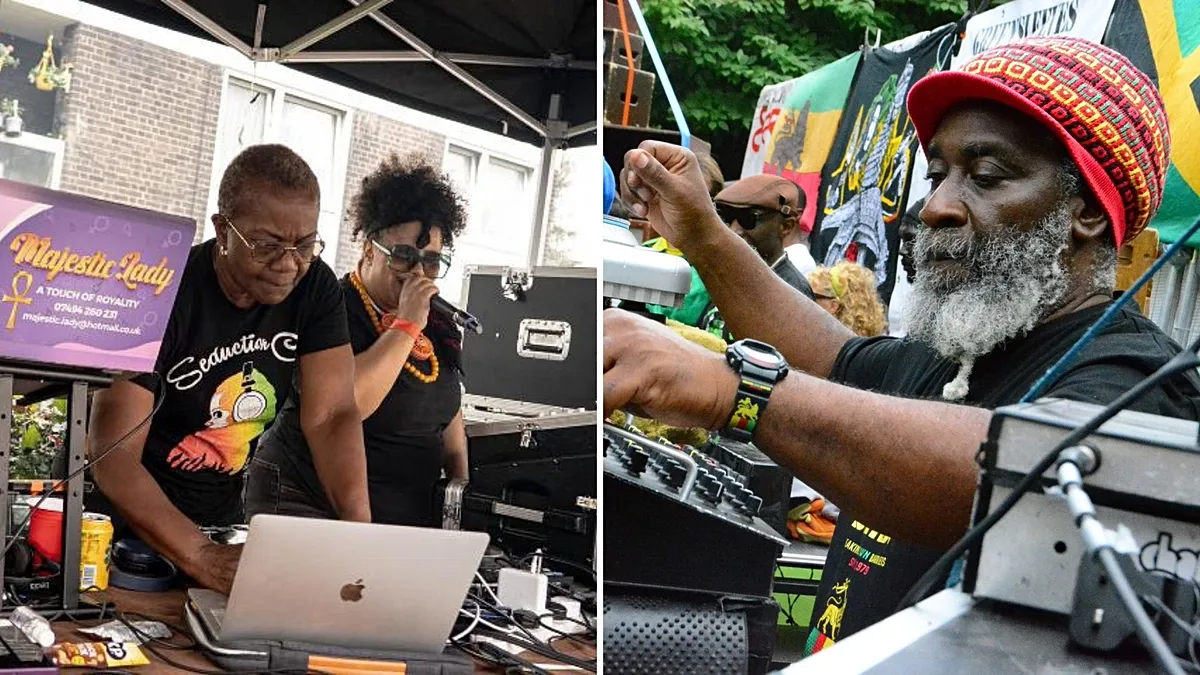
Table of Contents
60 Years of Notting Hill: 10 Essential Songs
Poinews.com – This August, west London’s streets will erupt with drumming, steelpan, and wall-to-wall bass as the Carnival marks its sixtieth edition. What started as a small neighbourhood get-together has grown into one of the largest open-air celebrations on Earth, drawing hundreds of thousands of people into Portobello Road and the surrounding streets over a bank-holiday weekend. To honour 60 years of Notting Hill Carnival, ten veterans of the event — selectors, MCs, photographers, costume designers, and board directors — each named one track that, for them, captures the festival’s beating heart.
How a Children’s Party Became a Cultural Landmark
The Carnival’s roots run straight into the Windrush generation. Caribbean migrants who landed in Britain from 1948 onward brought with them not just labour but an entire sonic vocabulary: sound-system culture imported from Jamaica became the rhythmic spine of community life in Notting Hill. That cultural bloom, however, took root in soil scarred by racial violence. The 1958 riots and the 1959 killing of Kelso Cochrane, an Antiguan carpenter beaten to death by a white gang, left the neighbourhood fractured and afraid.
Into that wound stepped Rhaune Laslett, a local social worker who in 1966 organised a children’s street party hoping to mend the torn community. The experiment ignited when Trinidadian steelpan player Russell Henderson and his band took to Portobello Road that afternoon. The seed of what would become the Carnival was planted in a single summer.
The Sound Systems Take Over
By the 1970s, sound systems had migrated from the margins to the centre of the festival. Organiser Leslie Palmer amplified the Caribbean masquerade tradition — the elaborate costumed processions known as “mas” — and pushed live music to the front of the parade. His own summary of that era’s energy was blunt and unforgettable:
“The sound systems were the voice of the youth.”
Since those early decades the sonic palette has widened without limit. Calypso yielded to reggae, dub, and soca; those collided with jungle, drum and bass, hip-hop, grime, and UK garage. Every generation of selectors has layered new frequencies onto the old, guaranteeing that the festival’s soundtrack never calcifies into nostalgia.
Ten Tracks, Ten Lives: The Veterans’ Playlist
To mark the milestone, each of the ten figures below — people who have spent decades inside the Carnival ecosystem — was asked to name a single record that, for them, crystallises the spirit of the event. Their choices span five decades and nearly every genre the festival has absorbed.
Mikey Dread — “Guess Who’s Coming to Dinner,” Black Uhuru (1979)
Mikey Dread co-founded Channel One Sound System and has manned its decks continuously since 1983. His programme this year centres on conscious reggae and a vault of exclusive dubplates, played from the corner of Westbourne Park Road. His pick — a 1979 Black Uhuru record — nods to the era when roots reggae carried explicit political commentary straight into the streets.
Wayne Campbell — “Warrior Charge,” Aswad (1980)
London-based documentary photographer Crichlow has spent more than fifteen years embedded in the Carnival, capturing its sound systems, mas dancers, and community rituals. He recently released Carnival of Resistance, a photobook co-created with Wayne Campbell that frames the festival as an ongoing act of cultural assertion. Campbell’s selection, an Aswad track from 1980, channels the militant pride of that period’s roots music.
Linett — “Rum & RedBull,” Beenie Man, Future Fambo, Seanizzle
Linett entered London’s sound-system scene as a teenager and became one of the first women ever to DJ at the Carnival. Now a director on the Carnival Board, she has spent decades championing music, visual art, and pathways for the next generation of women behind the decks. Her choice — a dancehall number by Beenie Man, Future Fambo, and Seanizzle — underscores the festival’s embrace of high-energy island party music.
Oxman — “Police and Thieves,” Junior Murvin (1976)
Oxman serves as primary host and selector for Greensleeves Hi-Fi, a sound-system project named after one of reggae’s most storied labels. This Carnival weekend he will share deck duties with Becca D and YNG CPTN at The Hoxton in Shepherd’s Bush. His pick, a 1976 Junior Murvin record, harks back to the era when dancehall’s early pioneers were still carving out their lane.
Lady Banton — “Three Little Birds,” Bob Marley & The Wailers (1977)
Lady Banton founded Seduction City Sound more than thirty years ago, making it the first all-female-led sound system to operate at the Carnival. Three decades later she remains behind the decks, and this Sunday she will perform on Telford Road. Her selection, a 1977 Bob Marley & The Wailers classic, speaks to the universal joy that undergirds every genre the festival has since absorbed.
The remaining five selections — spanning soca, grime, UK garage, and contemporary dancehall — complete a playlist that reads like a five-decade history of British-Caribbean sound culture. Together they confirm what 60 years of Notting Hill has always argued: the street belongs to everyone who shows up with rhythm in their feet and pride in their chest.
FAQ
When and where does the 60th Carnival take place? The festival runs over the August bank-holiday weekend in west London, centred on Portobello Road and surrounding streets in the Notting Hill area. The main parade peaks on the Monday.
Do I need a ticket? The street parade is free and open to the public. Individual sound-system venues and special stages may charge admission; check the official Carnival website for current pricing and capacity limits.
What should I bring? Comfortable shoes, sun protection, and a reusable water bottle are essential. The event spans several hours of outdoor activity across multiple streets, so plan for long stretches of walking and standing.
Is the event family-friendly? Yes. The Carnival has been built around community participation since its 1966 origins as a children’s street party. Families are welcome throughout the parade route, though peak-hour crowds can be dense.
How can I support the next generation of Carnival artists? The Carnival Board and affiliated organisations run workshops, mentorship programmes, and open-deck sessions aimed at young selectors, costume designers, and photographers. Visiting the official site during the festival weekend lists scheduled community sessions.