Aristides de Sousa Mendes: the man who braved ‘consequences’ to save thousands from Nazis
ousa Mendes: The Diplomat Who Defied Orders to Save Thousands Aristides de Sousa Mendes, a courageous Portuguese diplomat, remains one of the most celebrated

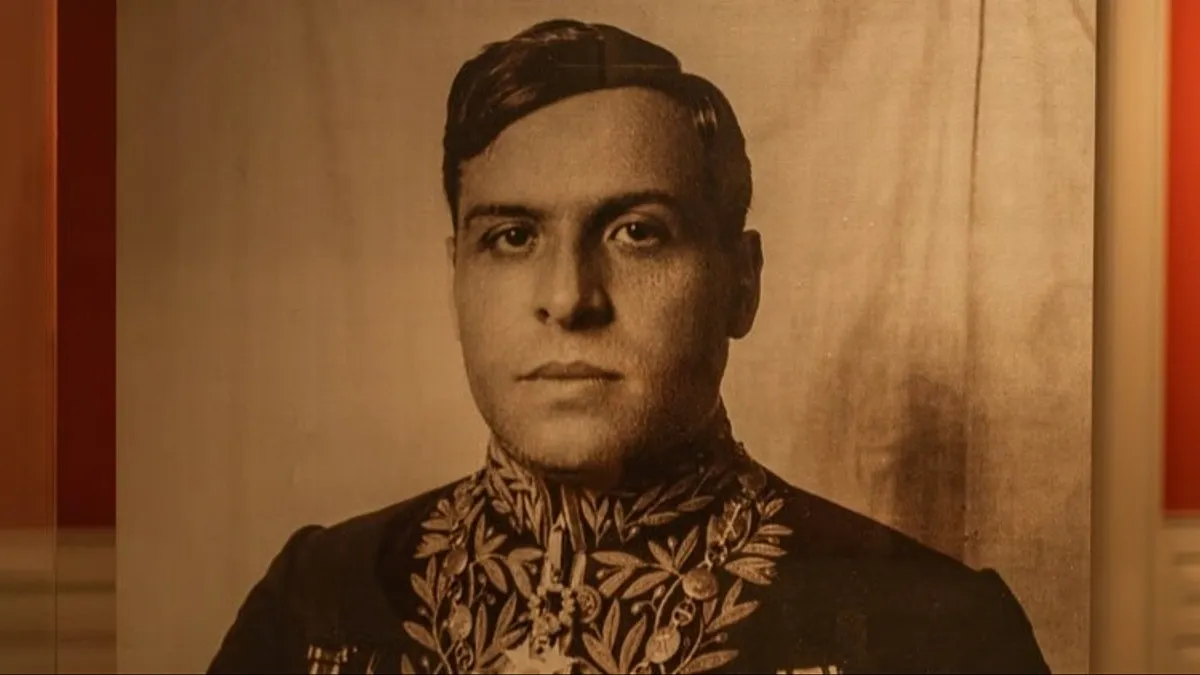
Aristides de Sousa Mendes: The Diplomat Who Defied Orders to Save Thousands
Poinews.com – Aristides de Sousa Mendes, a courageous Portuguese diplomat, remains one of the most celebrated figures in the fight against the Holocaust. His actions during World War II, which lasted from 1939 to 1945, saved the lives of tens of thousands of refugees, including Jews, Roma, and political dissidents. Despite facing severe consequences from his government, Mendes chose to issue transit visas to those fleeing Nazi persecution, a decision that would forever change the course of history. His legacy is preserved at the Aristides de Sousa Mendes Museum, which highlights his extraordinary commitment to human rights.
A Background of Service and Idealism
Aristides de Sousa Mendes was born on 19 July 1885 in Lisbon, Portugal. He began his diplomatic career in the early 1900s and was appointed consul in Bordeaux in 1940, a pivotal moment in his life. At the time, the Nazi regime was advancing across Europe, and Bordeaux had become a crucial sanctuary for refugees escaping the horrors of the Holocaust. Mendes’ position gave him the authority to issue visas, a power he used to its fullest. His decision to prioritize humanitarian aid over strict adherence to government protocols demonstrated a deep sense of moral responsibility and a willingness to take risks for the greater good.
A Defiant Stand Against the Nazi Threat
As the Nazi forces occupied France in 1940, the city of Bordeaux remained a refuge for those fleeing persecution. Aristides de Sousa Mendes, however, was not content with merely preserving the city’s freedom. He issued transit visas to thousands of refugees, allowing them to cross into Spain and continue their journey to safety. This act of defiance was not just a personal choice but a pivotal moment in the broader struggle against the Nazi regime. Despite the Estado Novo regime’s strict neutrality policies, Mendes’ actions provided a lifeline to many who would otherwise have been sent to concentration camps.
The Nazi regime’s systematic extermination of minorities created a dire situation for those in danger. While the official policy of Portugal’s Estado Novo government was to limit visa issuance, Aristides de Sousa Mendes refused to comply. His decision to bypass bureaucratic constraints and issue visas on his own initiative led to the rescue of over 30,000 individuals, including women, children, and the elderly. This bold move was a testament to his belief that the survival of human lives outweighed the political consequences of his actions.
The Price of Bravery: Consequences and Sacrifice
Aristides de Sousa Mendes’ defiance did not go unnoticed. The Estado Novo regime, under the leadership of António de Oliveira Salazar, viewed his actions as a betrayal of national interests. As a result, Mendes was stripped of his diplomatic post and faced disciplinary measures. His family suffered as well, with his salary gradually withdrawn and his children ostracized for their association with him. Despite these hardships, Mendes remained steadfast in his mission, proving that moral courage could endure even the harshest penalties.
“Aristides de Sousa Mendes was not just a diplomat—he was a hero who risked everything to save others,” says Luís Medeiros, a curator at the Aristides de Sousa Mendes Museum. “His actions during the Holocaust were a beacon of hope in a time of darkness.”
Historians and scholars have long recognized the significance of Mendes’ work. His role in the rescue of refugees is often compared to that of other wartime figures, such as Raoul Wallenberg. Yet, unlike many of his counterparts, Mendes’ story is one of quiet determination and personal sacrifice. His legacy serves as a reminder of the power of individual action in the face of overwhelming adversity.
A Lasting Legacy in History and Memory
Today, the Aristides de Sousa Mendes Museum in Lisbon stands as a tribute to his humanitarian efforts. It preserves the stories of those he saved and documents the diplomatic challenges he faced. The museum’s exhibits include original documents, photographs, and artifacts that illustrate the impact of his work. By honoring his legacy, the museum ensures that future generations remember the importance of compassion and courage in times of crisis.
Moreover, Mendes’ actions have been recognized in international forums. In 2007, the United Nations awarded him a posthumous honor for his role in saving lives during the Holocaust. His story is now taught in schools and featured in documentaries, cementing his place in history as a symbol of resilience. The narrative of Aristides de Sousa Mendes continues to inspire those who seek to make a difference in the world, even when the stakes are highest.