Israeli director Nadav Lapid, angered by boycott calls, pulls out of Marseille festival
Israeli Director Nadav Lapid Withdraws from Marseille Film Festival Amid Boycott Calls Israeli director Nadav Lapid angered by boycott - Israeli director

Israeli Director Nadav Lapid Withdraws from Marseille Film Festival Amid Boycott Calls
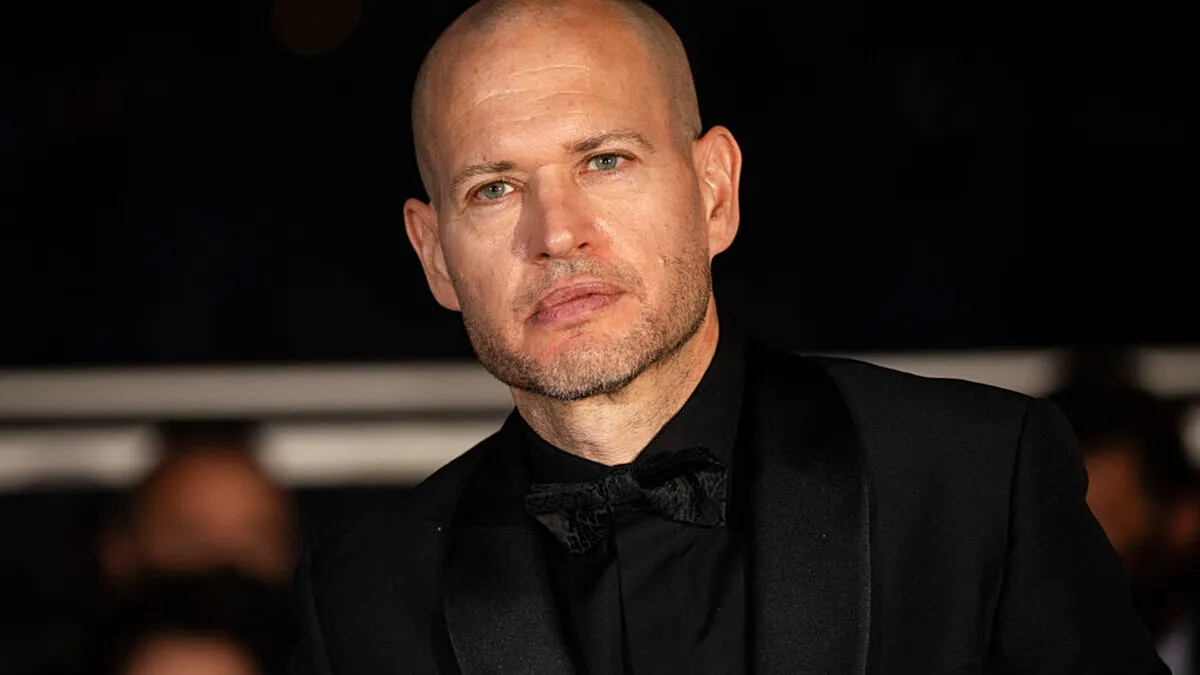
Poinews.com – Israeli director Nadav Lapid, angered by growing boycott pressures, has withdrawn from the 37th edition of the Marseille International Film Festival (FID). His decision reflects the mounting tension between filmmakers and cultural institutions over the political implications of hosting Israeli artists. The controversy centers on Lapid’s participation, particularly following accusations that his latest film, Yes, was funded by public resources tied to Israeli government policies. The director’s exit underscores the delicate balance between artistic expression and political activism in the film industry.
Boycott Calls Intensify at Marseille Festival
The Marseille festival, known for its eclectic mix of global cinema, became a flashpoint for political debates. Some attendees, influenced by broader movements criticizing Israeli actions in Palestine, urged the festival to exclude Lapid. These calls gained momentum after Hollywood’s recent boycott campaigns targeting Israeli institutions linked to the 2023 war in Gaza. The pressure extended beyond the United States, sparking discussions in Europe about the cultural diplomacy of film events.
“The Israeli subsidy the film received is not a government fund, but a public one,” clarified Judith Lou Lévy, producer of Yes, in response to critics. “This distinction is crucial when assessing the filmmaker’s role in the broader political narrative.” Her statement aimed to highlight the complexity of the issue, where personal artistry intersects with national policies.
Lapid, a prominent figure in European cinema, had been invited to serve on the festival’s jury. His previous works, such as The Man Who Sold His Skin (2017) and Harvia (2022), have often grappled with themes of identity, exile, and national conflict. The festival’s decision to feature his film Policeman in 2025 was seen as a nod to his critical acclaim and international recognition. However, the controversy over his participation has overshadowed these achievements, drawing sharp reactions from both supporters and detractors.
Festival Stands by Lapid’s Involvement
In a statement, the Marseille Film Festival defended its decision to include Lapid, calling the boycott efforts “perfectly illegitimate.” The organizers argued that holding an artist accountable for their country’s policies is unfair, especially when the filmmaker’s personal stance may differ from government actions. “Distinctive voices like Lapid’s should be welcomed and listened to,” the declaration stated, even if their narratives are scrutinized in the context of global politics.
Lapid’s withdrawal, however, has sparked debate about the role of cultural events in political discourse. While some see his absence as a symbolic act of solidarity with Palestinian causes, others view it as a necessary step to preserve artistic freedom. His statement to AFP, where he expressed frustration over the pressure, highlighted his sense of vulnerability as an exiled figure in France. “If my presence is unacceptable and I can simply be erased from a film event, I really don’t know what the hell I’m doing here,” he remarked, capturing the emotional weight of the decision.
Industry Backing and Broader Implications
Despite the backlash, a coalition of industry professionals has publicly supported Lapid’s participation. An open letter, signed by prominent names like Arthur Harari, Louis Garrel, and Palestinian writer Elias Sanbar, defended the decision to invite him. The letter emphasized that “inviting an artist to a festival does not make them a cultural ambassador,” challenging the notion that a filmmaker’s presence equates to endorsement of national policies.
The incident has also prompted reflection on the broader implications of boycotts in the arts. Filmmakers such as Michel Hazanavicius and Justine Triet called the movement an “intellectual failure,” arguing that it risks oversimplifying complex geopolitical issues. Their critique underscores the divide within the industry, where some prioritize political alignment while others advocate for artistic autonomy. This debate is likely to shape future discussions about the role of cultural institutions in global politics.
Context and Historical Precedents
The tension between Lapid and the festival is not new. His 2019 film Harvia was initially banned in Israel, drawing criticism from both domestic and international audiences. The director has long been a figure of controversy, with his work often perceived as a critique of Israeli society. This context adds depth to his current withdrawal, suggesting a pattern of resistance to political pressure in his career.
Meanwhile, the Marseille festival has maintained its reputation as a platform for diverse voices, even as it faces scrutiny over its selection process. The 2025 edition’s focus on Lapid’s Policeman was a testament to his influence in European cinema. However, the boycott calls have forced the festival to reevaluate its role in a polarized world. The decision to exclude Lapid may signal a shift toward more politically aligned programming, or it could reinforce the festival’s commitment to artistic integrity.
Public Reaction and Media Discourse
The director’s exit has generated a wide range of reactions, from outrage to admiration. Social media platforms have seen heated discussions, with some users praising his courage to stand by his principles and others condemning his perceived complicity in Israeli policies. Media outlets have also weighed in, framing the event as a microcosm of the larger debate over cultural diplomacy and political activism.
As the controversy unfolds, the question remains: does a filmmaker’s participation in an event reflect their personal beliefs or their country’s policies? Lapid’s withdrawal invites this question, highlighting the complexities of artistic expression in a politically charged environment. The Marseille festival, in turn, must navigate the fine line between supporting a controversial figure and aligning with a broader political agenda. The outcome of this situation may influence how cultural institutions handle similar challenges in the future.