Sour grapes: Michelin’s first winery ratings draw immediate backlash
raw immediate backlash Sour grapes - In a bold move that has ignited both excitement and controversy, the Michelin Group has ventured into the wine industry

Sour grapes: Michelin’s first winery ratings draw immediate backlash
Poinews.com – In a bold move that has ignited both excitement and controversy, the Michelin Group has ventured into the wine industry by launching its first winery rating system. The initiative, branded as “Michelin’s Grape Selection,” aims to offer wine lovers a new benchmark for evaluating vineyards, much like the iconic restaurant star system. However, the debut of these ratings has already sparked a wave of criticism, with some producers arguing that the process lacks depth and is overly simplistic. The backlash, often described as “sour grapes,” highlights concerns about the credibility and fairness of the Michelin approach, particularly in regions where tradition and expertise have long defined quality.
Michelin’s Expansion into Wine Ratings Sparks Controversy
The Michelin Group’s decision to enter the wine market marks a significant shift in its brand identity, which has been synonymous with culinary excellence for decades. This new venture, which evaluates wineries based on criteria like quality, consistency, and regional character, has drawn immediate attention from the wine community. One of the first to voice dissent was Domaine Arnoux-Lachaux, a renowned Burgundy producer that returned its Michelin “grape” award after receiving the entry-level designation. The estate’s criticism centered on the methodology, with its representatives on social media questioning whether the ratings accurately captured the nuanced artistry of winemaking. The controversy has already prompted debates about the role of external evaluators in assessing wines that are often the result of years of meticulous craft.
Assessment Criteria and Initial Selection
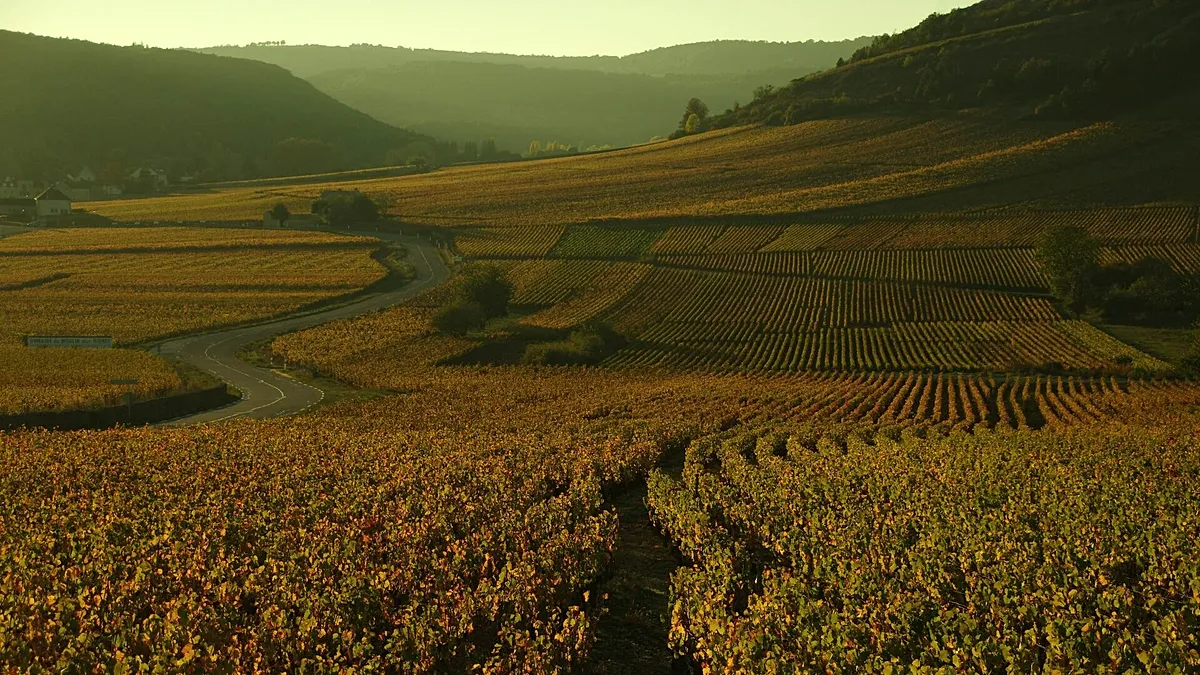
Unlike traditional wine guides that often focus on individual vintages, Michelin’s Grape Selection evaluates entire estates, considering factors such as vineyard techniques, sustainability practices, and the ability to reflect a region’s unique terroir. The first edition of the guide highlighted three key Burgundy subregions—Côte de Beaune, Côte de Nuits, and Côte Chalonnaise—rating 94 estates with three distinct “grape” categories, the highest of which is symbolized by three grapes. While the approach aims to provide a holistic view of a winery’s capabilities, critics argue that it prioritizes brand visibility over the subjective nuances of wine tasting. Some see this as a potential conflict of interest, given Michelin’s marketing background, while others view it as a much-needed innovation in an increasingly competitive market.
Michelin’s Restaurant Awards Evolution
The introduction of the wine ratings follows a broader rebranding of Michelin’s restaurant awards, which have seen a shift toward sustainability and storytelling. Earlier this year, the Green Star sustainability award was replaced by the “Mindful Voices” editorial platform, which emphasizes narratives around food, wine, and hospitality. While this change was intended to highlight the industry’s environmental efforts, some critics believe it has diluted the original focus on rigorous evaluation. As the wine guide debuts, its success will depend on whether it can balance its marketing roots with genuine appreciation for the complexities of winemaking, a challenge that has already been raised by those who fear the ratings may reflect more on brand prestige than on wine quality.
Industry Reactions and Consumer Impact
Reactions from the wine industry have been mixed, with some producers welcoming the guide as a potential tool to reach new audiences, while others are skeptical. In Bordeaux, where Michelin plans to expand its wine ratings, the region faces a crisis driven by overproduction, falling prices, and a decline in demand for red wines. For local winemakers, the Michelin initiative could offer a fresh opportunity to differentiate their offerings, but its effectiveness remains uncertain. Lydia Coudert, co-owner of Vignobles Coudert, a family-owned estate in Bordeaux since 1865, expressed cautious optimism. “It’s a new tool in our pocket,” she said. “But the difficulty is how independent the tasting will be, and how [anonymous] the bottles will be.” Her comments underscore the concern that the ratings might be influenced by branding rather than the wine’s intrinsic merits, a sentiment echoed by many in the industry.
Future Implications and Industry Calls for Transparency
As the Michelin Wine Guide gains traction, its long-term impact on the industry will depend on its ability to address the initial backlash. Industry experts are calling for greater transparency in the evaluation process, suggesting that the use of anonymous bottles and standardized scoring systems could help build credibility. Some argue that the “sour grapes” critique is not just about the ratings themselves but also about how Michelin’s brand presence might overshadow the authentic expertise of winemakers. Meanwhile, the guide’s debut has sparked discussions about the future of wine evaluation, with questions about whether it will complement or compete with established systems like the Wine Spectator or Decanter. For now, the wine world watches closely, hoping Michelin’s new venture will either elevate standards or simply add another layer of complexity to an already intricate field.
Broader Industry Trends and Consumer Behavior
The Michelin Group’s foray into wine ratings reflects a growing trend of culinary brands expanding their influence into other food-related sectors. This strategy aligns with the company’s broader goal of creating a comprehensive ecosystem around gastronomy, from restaurants to vineyards. However, the “sour grapes” reaction highlights a deeper tension between commercial branding and artisanal tradition. Wine enthusiasts, who often value nuanced tasting notes and historical context, may feel that Michelin’s approach oversimplifies the craft. Yet, the guide’s potential to attract a new wave of consumers who prioritize accessibility and recognition is significant. As the ratings roll out, the challenge for Michelin will be to prove that its evaluation system can coexist with the deep-rooted values of the wine community, rather than diminishing them.