European trade unions call for World Cup-style ‘cooling breaks’ for workers as temperatures soar
European Trade Unions Seek World Cup-Style Cooling Breaks Amid Heat Crisis European trade unions call for World - European trade unions are urging the

European Trade Unions Seek World Cup-Style Cooling Breaks Amid Heat Crisis
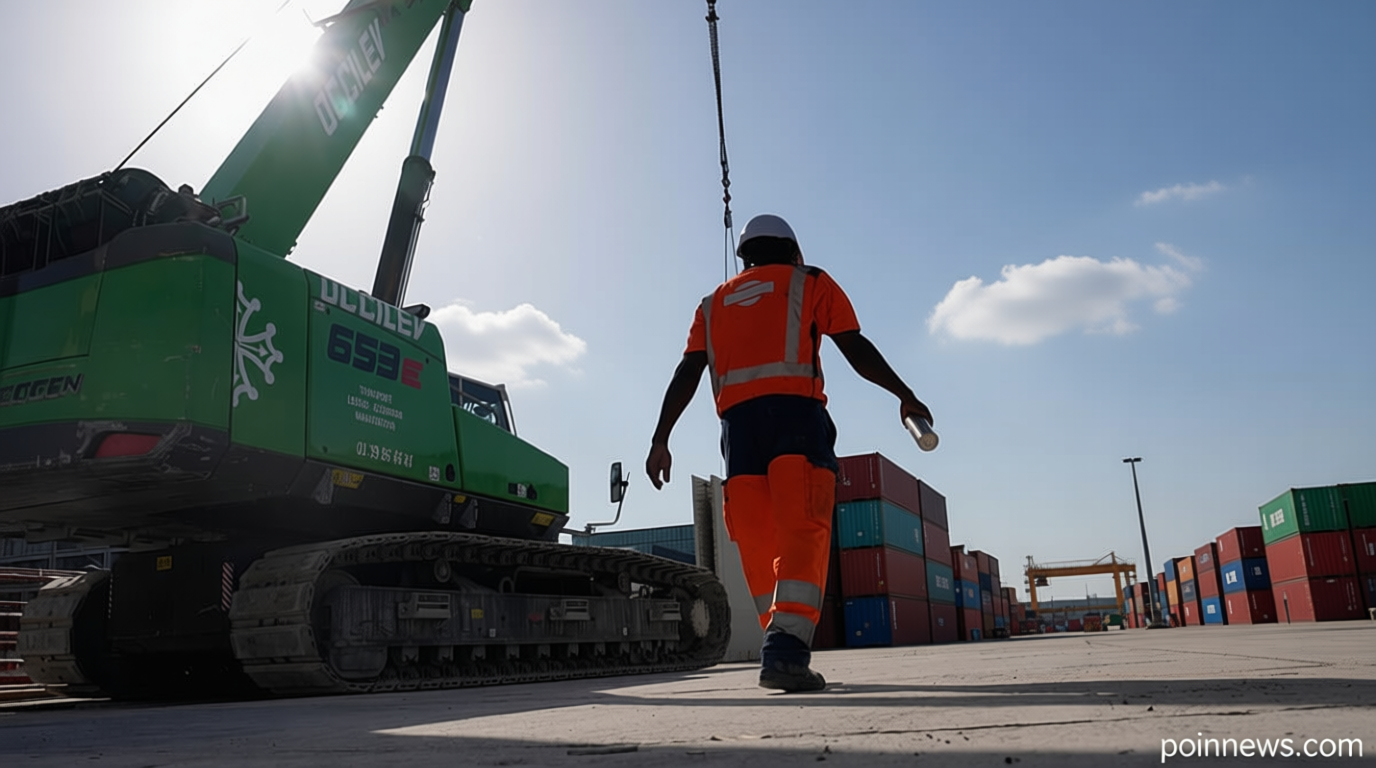
Poinews.com – European trade unions are urging the European Commission to introduce mandatory cooling breaks for workers, drawing inspiration from the World Cup’s established heat management protocols. As temperatures in Europe hit record highs, these labor organizations argue that adapting work schedules to include regular rest periods is essential for safeguarding workers’ health. Esther Lynch, General Secretary of the European Trade Union Confederation (ETUC), emphasized that extreme heat poses a growing threat to occupational safety, and the time has come for a unified European response. The call for these breaks aligns with the increasing frequency of heatwaves, which are expected to intensify in the coming decades due to climate change.
Heat Exposure: A Global Occupational Challenge
According to the World Health Organization, over 2.4 billion workers globally are exposed to excessive heat, with an estimated 22.85 million occupational injuries linked to heat stress each year. In Europe, the situation is no less urgent, as prolonged exposure to high temperatures has been associated with cardiovascular strain, respiratory complications, and even chronic health conditions such as kidney disease. The ETUC’s demand for cooling breaks stems from the need to ensure that core body temperatures remain below 38°C during an eight-hour work shift, a standard that has been overlooked in many national labor policies.
“Heat-related work stress is not a temporary inconvenience—it’s a systemic risk that demands immediate action,” Lynch explained. “By integrating cooling pauses into daily routines, we can reduce the likelihood of heat-induced illnesses and create a more resilient workforce.”
Industry-Specific Vulnerabilities and Adaptation Strategies
Outdoor workers, particularly in construction and agriculture, face the highest risks from rising temperatures. However, heat stress is not confined to these sectors—industrial jobs, healthcare, and even office environments are increasingly impacted by heat. Lynch pointed out that many European nations have yet to standardize heat protection measures, leaving workers in high-risk industries to rely on employer discretion. To address this, some companies have begun implementing flexible work hours, shaded rest areas, and hydration stations. The European Agency for Safety and Health at Work advocates for rotating shifts and mandatory rest periods to ensure all workers, including those in sedentary roles, are protected.
The Need for Binding Legislation and Policy Reforms
The ETUC criticizes the current patchwork of national laws, arguing that they fail to account for the escalating climate crisis. With heatwaves becoming more frequent and severe, the unions insist that Europe must adopt binding regulations to enforce cooling breaks across all sectors. Lynch called for a maximum working temperature law, which would mandate paid breaks, access to water, and improved ventilation in workplaces. Such measures could not only prevent heat-related illnesses but also enhance productivity by reducing fatigue and maintaining worker morale.
While some countries have taken proactive steps, such as France’s requirement for heat alerts to adjust work schedules, others lag behind. The EU’s current framework relies on voluntary guidelines, which many argue are insufficient. By implementing cooling breaks akin to those used during major sporting events, the European Commission could set a new standard for occupational safety in the face of climate change.
Public Health and Economic Implications
The health consequences of heat exposure extend beyond individual suffering, with significant economic repercussions. Heat-related illnesses lead to increased absenteeism, reduced work efficiency, and higher healthcare costs. In addition, the World Cup’s heat break model, which pauses play for players to recover, has proven effective in mitigating risks. European trade unions believe similar strategies could be applied to workers, ensuring they are not forced to endure extreme conditions without adequate rest. This approach would also align with broader public health goals, such as reducing the burden on emergency services during heatwaves.
Experts warn that without swift action, the impact of heat on labor productivity could be substantial. A report by the European Environment Agency highlights that heat stress could reduce labor capacity by up to 10% in certain regions by 2050. Cooling breaks, combined with workplace adaptations like air conditioning and improved hydration protocols, could help mitigate these effects. The ETUC’s campaign underscores the importance of policy reforms that recognize climate change as a critical factor in occupational health and safety.
Union Advocacy and the Path Forward
As the heat crisis deepens, European trade unions are intensifying their efforts to secure legislative changes. Lynch stressed that the European Commission must act swiftly to prevent a scenario where workers are left vulnerable to the consequences of rising temperatures. The push for World Cup-style cooling breaks reflects a broader trend of labor movements advocating for climate-conscious policies. By integrating these measures into labor law, the EU can ensure that workers are protected, regardless of their industry or location.
With the upcoming summer months, the urgency for action has never been greater. The ETUC and other labor groups are calling on governments and employers to collaborate on a comprehensive strategy that includes cooling breaks, heat monitoring systems, and education on workplace safety during extreme weather. This initiative represents a critical step in preparing Europe’s workforce for the challenges of a warming planet.