There is a significant risk of Ebola spillover into South Sudan, WHO study warns
There is a Significant Risk of Ebola Spillover into South Sudan, WHO Study Warns The Growing Risk of Ebola Spillover There is a significant risk of Ebola

There is a Significant Risk of Ebola Spillover into South Sudan, WHO Study Warns
The Growing Risk of Ebola Spillover
Poinews.com – There is a significant risk of Ebola spreading into South Sudan, as highlighted by a recent World Health Organization (WHO) study that warns of the potential for the virus to cross borders from the Democratic Republic of Congo (DRC). The ongoing outbreak in the DRC, which has now infected over 1,000 people and claimed more than 260 lives, is showing signs of extending its reach into neighboring regions. This development raises urgent concerns for countries like South Sudan, which are already struggling with limited healthcare infrastructure and resource constraints.
The study, published in The Lancet, uses predictive modeling to assess the likelihood of the virus moving beyond the DRC’s borders. Researchers emphasize that South Sudan’s position in the region, combined with its existing vulnerabilities, makes it a critical area to monitor. Factors such as weak health systems, difficult terrain, and the presence of conflict zones could exacerbate the spread of the virus, should it reach the country. The WHO has called for immediate action to prevent a potential crisis.
“The findings indicate that South Sudan faces a notable threat from the current Ebola outbreak, particularly given its health system’s limited capacity to respond swiftly,” the study’s authors noted in a press release. “Cross-border collaboration and early detection are essential to containing the virus before it gains a foothold.”
Understanding the Spread in the DRC
The Ebola outbreak in the DRC has been ongoing for several months, with the Bundibugyo strain responsible for the latest wave of infections. This variant, which is less common than others, has been particularly challenging due to its ability to spread rapidly in densely populated areas. The situation has worsened as the virus has moved from rural regions into urban centers, increasing the chances of international transmission. Uganda has become the first country outside the DRC to report cases, with 20 confirmed infections and two deaths recorded so far.
The spread of the virus has been facilitated by several factors, including community movement and inadequate public health measures. In some areas, misinformation and cultural practices have hindered efforts to isolate infected individuals, allowing the virus to persist in the population. The study highlights that the DRC’s outbreak is not only a local crisis but a potential regional threat, as the virus could easily travel through cross-border trade, migration, and shared water sources.
While Rwanda and Burundi are deemed to face a lower risk of infection, the WHO warns that these countries must remain vigilant. The modeling suggests that the outbreak could reach South Sudan within the next few months, depending on the effectiveness of containment efforts. This projection underscores the need for a coordinated regional response to prevent the virus from becoming a larger public health emergency.
South Sudan’s Preparedness and Challenges
South Sudan’s healthcare system, already stretched thin by years of conflict and humanitarian crises, is at a critical juncture. The country’s limited medical resources, including shortages of trained personnel, ventilators, and personal protective equipment, could slow down response efforts if an Ebola outbreak occurs. Additionally, South Sudan’s infrastructure, such as roads and communication networks, is not fully equipped to handle a large-scale epidemic. The study points out that these challenges make the nation especially susceptible to rapid virus transmission once it enters the region.
Experts warn that the arrival of Ebola in South Sudan could have severe consequences for both the population and the economy. The virus, which is highly contagious and deadly, has a mortality rate of around 50% in outbreaks. With weak surveillance systems and limited access to medical care in remote areas, the disease could spread quickly without early intervention. The WHO has recommended that South Sudan enhance its preparedness by increasing the number of healthcare workers, expanding diagnostic capabilities, and establishing better community engagement strategies.
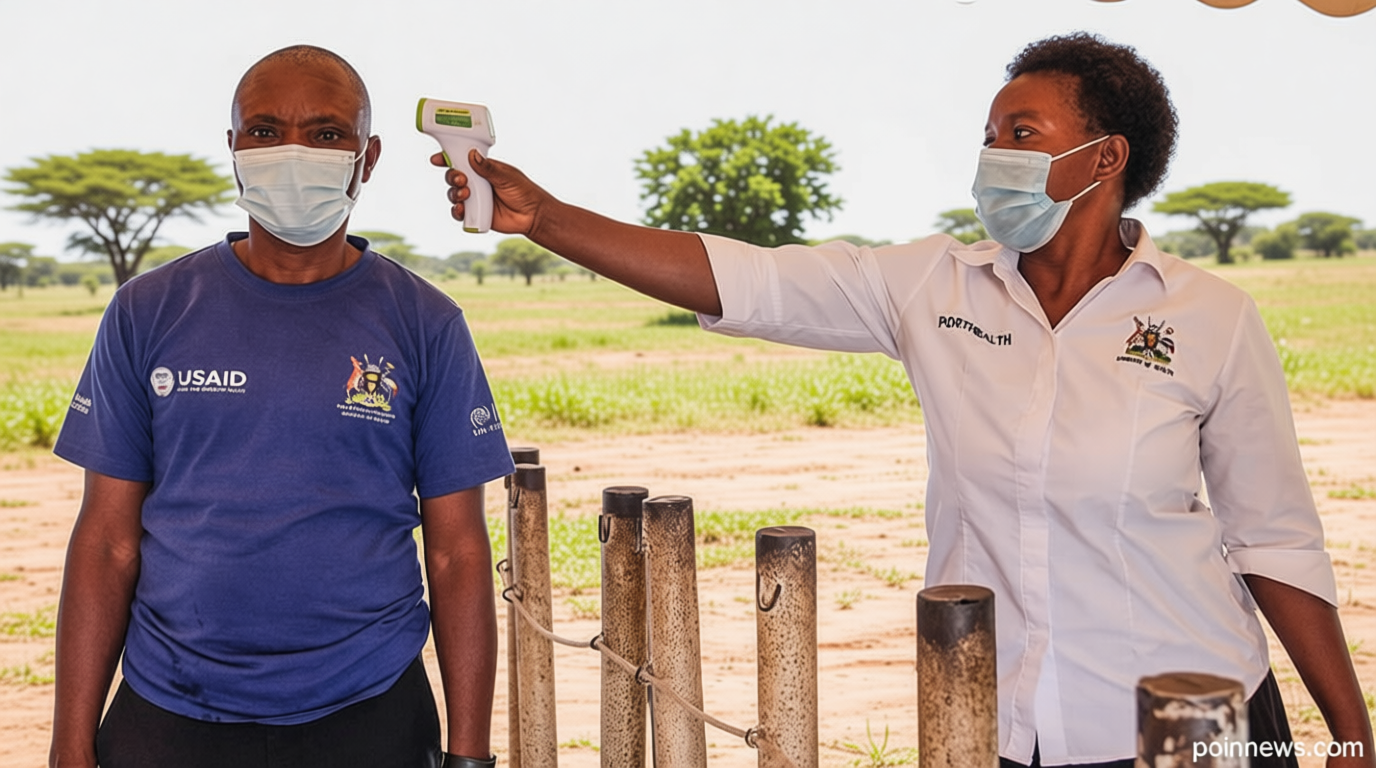
Local authorities in South Sudan are now working with international partners to prepare for the possibility of an outbreak. Training programs for healthcare workers, stockpiling of medical supplies, and public awareness campaigns are being prioritized. However, the study cautions that these measures must be implemented quickly to avoid a scenario where the virus takes hold and becomes difficult to control.
Global Implications and Response Strategies
The risk of Ebola spillover into South Sudan has broader global implications, as the virus has the potential to affect entire regions and even reach global populations through international travel. The WHO study underscores the importance of cross-border surveillance, rapid response teams, and vaccine distribution as key strategies to mitigate the spread. These measures, if executed effectively, could significantly reduce the impact of an outbreak in South Sudan and protect neighboring countries from a similar fate.
International organizations and governments are now urging increased funding and support for the DRC and South Sudan to strengthen their health systems. The focus is on building capacity for early detection, containment, and treatment. Additionally, the study highlights the need for collaboration between countries in the region to share information and resources. This cooperation is vital in ensuring that no single nation bears the burden of an outbreak alone.
As the situation evolves, the WHO continues to monitor the outbreak closely and provides real-time updates to guide national and international responses. The focus keyword “there is a significant risk” appears repeatedly in the study’s analysis, reinforcing the urgency of the threat. With the right interventions, the risk can be managed, but delays in action could lead to devastating outcomes.