Brussels set to unveil plan to lower electricity bills amid energy crisis
European Commission Proposes Tax Adjustments to Alleviate Electricity Cost Pressures Brussels set to unveil plan to lower - As energy prices climb and global

European Commission Proposes Tax Adjustments to Alleviate Electricity Cost Pressures
Poinews.com – As energy prices climb and global tensions disrupt supply chains, the European Commission is set to propose a strategy that would make electricity more tax-advantaged compared to natural gas. This move, outlined in a document shared with Euronews, aims to ease financial strain on households and businesses while supporting the EU’s shift toward electrification. The initiative would address industry calls for reduced electricity costs and encourage the adoption of cleaner technologies in transport, heating, and manufacturing.
The proposal comes amid heightened energy price volatility, driven by conflicts in the Middle East and concerns over the Strait of Hormuz. These factors have reportedly added around €500 million daily to fossil fuel expenses within the EU. By adjusting the tax burden, the Commission hopes to maintain the competitiveness of energy-intensive industries, allowing governments to offer tax relief or even zero rates on electricity in certain cases.
Italy’s Tax Imbalance Sparks Criticism
A recent study by the Italian think tank ECCO highlights a stark disparity in taxation between fossil fuels and clean energy sources. In Italy, households pay electricity taxes and levies up to four times higher than those on natural gas. This gap widens in the business sector, where small and medium enterprises face electricity costs exceeding 20 times those of natural gas. The transport industry also sees higher taxes on electric vehicle charging, which can be as much as double the rates for diesel and petrol.
“The data reveals a striking paradox,” said Matteo Leonardi, co-founder and executive director of ECCO. “At a time when energy affordability is a top priority, those investing in electrification are not fully reaping the economic benefits. This delays progress in the energy transition and weakens competitiveness.”
Market Design Shifts and Grid Investment Challenges
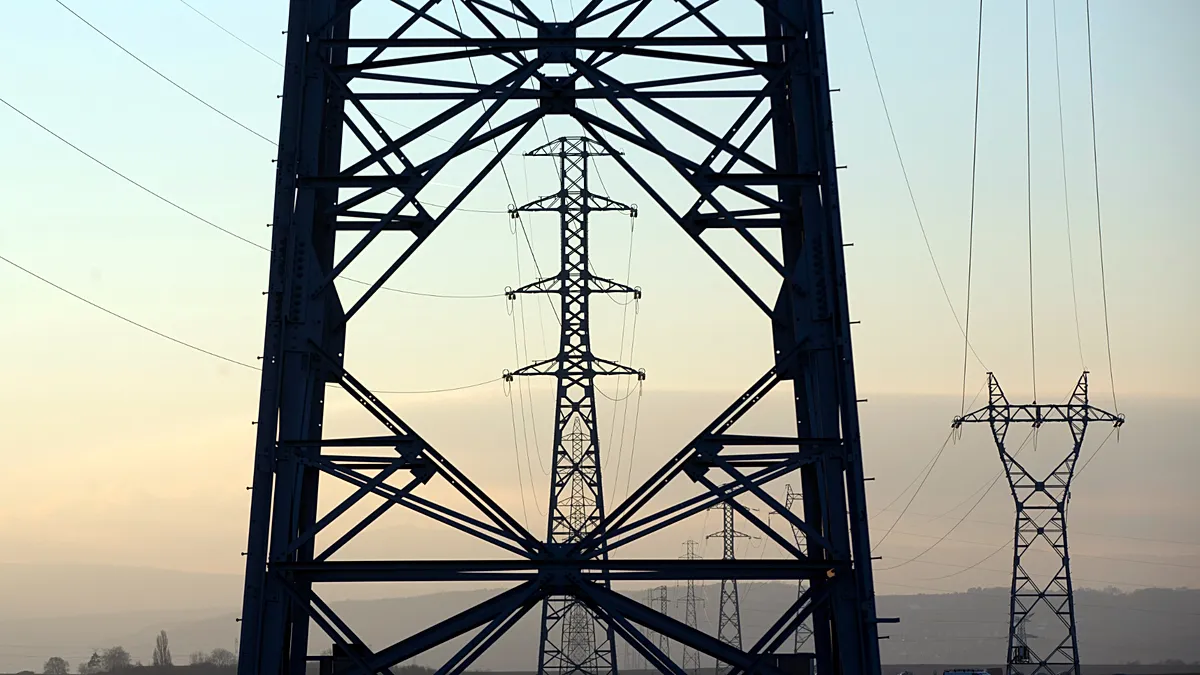
The leaked document emphasizes that both fluctuating energy prices and the growing portion of electricity bills attributed to network costs and taxes must be tackled. While consumers often focus on the price of electricity itself, the Commission is also scrutinizing the expenses tied to maintaining and expanding the continent’s power grid—a critical factor for the success of renewable energy integration. The International Energy Agency has noted that grid capacity is lagging behind the rapid expansion of technologies like solar, wind, and electric vehicles.
According to the draft, grid charges and taxes currently account for 24–29% of household electricity bills and 21% of business expenses. National levies add another 24% for households and 16% for companies. These figures are projected to rise as the EU accelerates electrification, with annual grid investments potentially doubling to between €75 billion and €100 billion by 2050.
Obstacles in Tax Harmonization
Member states may face difficulties in aligning on the tax reforms, as energy taxation is a matter of national sovereignty. The Climate Action Network Europe pointed out that altering market design rules instead of tax legislation could avoid the need for unanimous agreement. This approach allows the Commission to streamline changes without requiring all countries to consent, a departure from previous attempts in 2021 that stalled due to divergent views on tax frameworks.