Brussels to double electrification target in bid to cut fossil fuel consumption
Brussels Doubles Electrification Target to Cut Fossil Fuel Consumption Brussels to double electrification target in bid to cut fossil fuel consumption—The

Brussels Doubles Electrification Target to Cut Fossil Fuel Consumption
Poinews.com – Brussels to double electrification target in bid to cut fossil fuel consumption—The European Commission has unveiled an ambitious plan to significantly accelerate the shift toward electricity in key sectors, raising its target for electrification to 46% by 2040. This move aims to reduce the bloc’s reliance on oil and gas imports, which currently cost €260 billion annually, according to recent proposals. The strategy includes measures to align energy pricing, modernize infrastructure, and promote cleaner alternatives like electric vehicles and heat pumps. By doubling the previous target, the EU seeks to achieve faster progress in decarbonizing its energy mix and reducing the environmental impact of fossil fuels.
Energy Pricing and Tax Reforms
Brussels to double electrification target in bid to cut fossil fuel consumption is underpinned by a commitment to fairer energy pricing. The Commission has identified that electricity is often taxed more heavily than gas in several EU nations, creating a financial disincentive for households and businesses to adopt electric technologies. To address this, a new legal principle will be introduced, ensuring electricity is not taxed higher than gas in member states. This will help level the playing field, making clean energy more competitive and encouraging its widespread use. Flexibility is retained for national tax frameworks, allowing countries to adapt the policy to their specific needs.
Under the revised plan, Brussels to double electrification target in bid to cut fossil fuel consumption will be supported by reforms to energy network fees and taxation policies. These changes are designed to reduce the cost of electricity for consumers and incentivize the use of electric heating systems and transportation. The Commission also plans to enhance transparency in energy pricing, ensuring that households can make informed decisions when transitioning to electric solutions. This focus on affordability and accessibility is seen as a critical step toward achieving the 46% electrification benchmark.
Progress and Sector-Specific Challenges
Brussels to double electrification target in bid to cut fossil fuel consumption comes at a time when the EU’s electrification efforts have faced stagnation. For the past decade, the electrification rate has remained at 23%, with fossil fuels still dominating energy use in transport, industry, and buildings. The Commission acknowledges that buildings are a major challenge, accounting for nearly half of all gas consumption. Despite the potential of heat pumps and other electric technologies, adoption has been slow, prompting the introduction of targeted measures to streamline permitting and increase installations.
Brussels to double electrification target in bid to cut fossil fuel consumption will also focus on improving grid efficiency and reducing network charges. By modernizing energy infrastructure, the EU aims to ensure that electricity supply keeps pace with growing demand. Additionally, the plan emphasizes the importance of renewable energy integration, with proposals to expand existing funding tools and support research into advanced battery storage. These steps are expected to enhance the reliability of the energy system while reducing dependence on fossil fuels, especially in regions with high import costs.
Expert Reactions and Implementation Hurdles
Brussels to double electrification target in bid to cut fossil fuel consumption has received mixed reactions from industry experts and policymakers. Christian Ehler of the European People’s Party praised the initiative, stating that it sets a clear direction for reducing reliance on oil and gas. However, Thomas Lewis of Climate Action Network Europe highlighted the need for stronger policies to phase out fossil fuel subsidies. “Brussels to double electrification target in bid to cut fossil fuel consumption is a positive step, but without eliminating support for coal and gas, the transition may not be as effective as intended,” he said, stressing the importance of binding targets for post-2030 efficiency and renewable energy.
Brussels to double electrification target in bid to cut fossil fuel consumption is also expected to influence the EU’s broader climate and energy strategy. The Commission has outlined that the 46% target will be integrated with long-term goals for decarbonization, aiming to ensure that the energy system becomes more resilient and sustainable. While the plan is seen as a major shift, challenges remain, including the need for public investment, technological innovation, and cross-border cooperation. The success of the strategy will depend on how effectively these elements are implemented over the coming years.
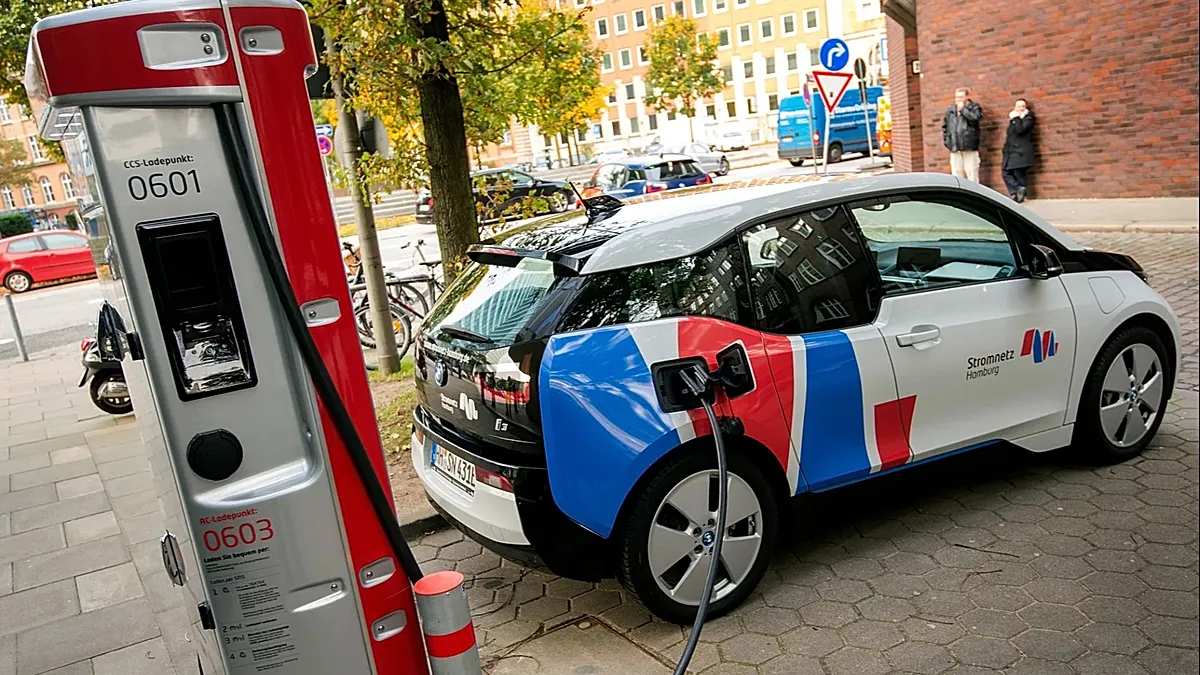
“Brussels to double electrification target in bid to cut fossil fuel consumption is not just a policy update—it’s a transformative step for the EU’s energy future,” said a spokesperson for the Commission. This sentiment reflects the urgency with which the bloc is addressing its energy security and climate goals. The plan also includes provisions for expanding renewable energy capacity, with a goal of increasing battery electric vehicle adoption from 8 million to 120 million units by 2040 and heat pump installations from 30 million to 100 million. These targets are part of a larger effort to ensure the EU remains on track to meet its emissions reduction commitments.