EU energy ministers secure greater role in bloc’s future power grid after rows with Brussels
EU Energy Ministers Secure Greater Role in Power Grid Planning Strategic Shift in Grid Management Following Brussels Disputes EU energy ministers secure

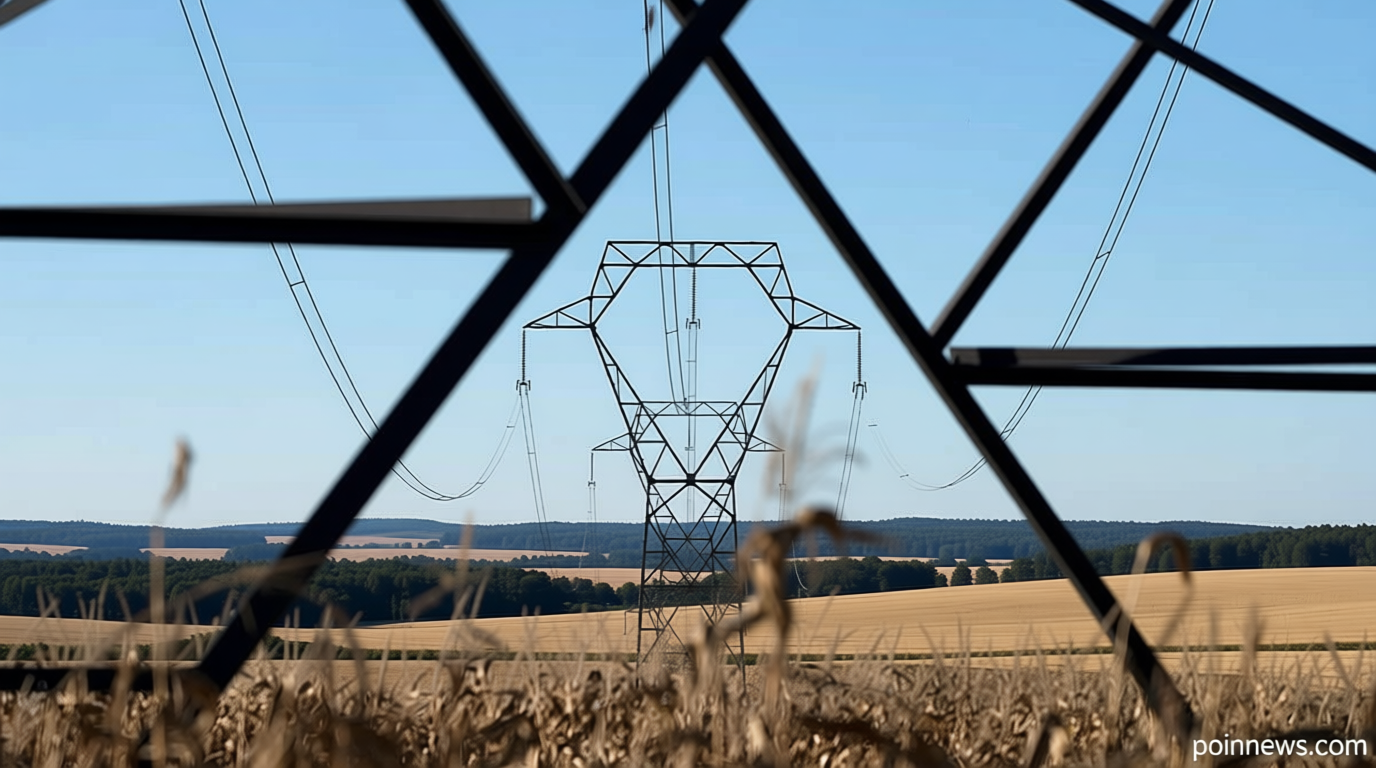
EU Energy Ministers Secure Greater Role in Power Grid Planning
Strategic Shift in Grid Management Following Brussels Disputes
Poinews.com – EU energy ministers have successfully secured a more prominent role in shaping the bloc’s future electricity infrastructure, overcoming previous disagreements with Brussels. The latest agreement, reached after months of intense negotiations, allows member states to exert greater influence over grid development while aligning with the European Union’s long-term energy goals. This development marks a pivotal moment in energy policy, as the revised framework now emphasizes national participation in decision-making processes, particularly in the allocation of funds for cross-border projects.
Central to the new strategy is the expansion of national oversight in grid planning. Energy ministers from across the EU have pushed for a model that balances centralized European objectives with the flexibility required for individual countries to address their unique energy challenges. This approach not only enhances transparency but also empowers nations to tailor their infrastructure investments to local conditions, such as renewable resource availability and regional demand patterns.
Addressing Fragmentation in Energy Networks
Europe’s energy network has long faced challenges due to its fragmented structure, which hampers the efficient distribution of power. With the bloc producing more renewable energy than ever, the need for modernized transmission systems has become urgent. The agreement addresses this by introducing mechanisms to streamline the approval of critical projects, such as offshore wind farms and hydrogen facilities, ensuring they can be developed faster to meet growing energy needs.
One of the key concessions from Brussels was the reallocation of unused congestion income to support cross-border interconnectors. This financial adjustment allows member states to retain control over how these funds are used, fostering a more collaborative environment. By integrating regional specifics into grid planning, the EU aims to create a resilient and interconnected system that supports climate neutrality while maintaining energy security.
Implementation and Timeline for New Regulations
Starting in January 2028, 10% of unspent congestion income will be allocated to EU grid projects, with this percentage rising to 25% by 2031. These measures are designed to reduce bottlenecks and improve the efficiency of power transmission across borders. Additionally, the central scenario for grid development will be reviewed every two years, ensuring that it adapts to technological advancements and evolving energy demands.
EU energy ministers secure greater role in this process by validating the data and assumptions underlying grid planning. This step ensures that national interests are integrated into the broader strategy, avoiding a one-size-fits-all model. By incorporating sensitivity analyses, planners can evaluate diverse energy scenarios, making the system more adaptable to future challenges.
Expert Reactions to the Agreement
“The agreement represents a significant step toward balancing national autonomy with EU-wide coordination,” said Ebba Busch, Sweden’s energy minister. “By giving member states more control over grid funding, we can accelerate the transition to sustainable energy while addressing regional disparities.”
“The Grids Package is crucial for ensuring Europe’s energy systems keep pace with climate goals,” noted European Commissioner Dan Jørgensen. “This revised approach will allow for faster deployment of renewable projects, which is essential for meeting our 2050 net-zero targets.”
“The deal signals a strategic commitment to interconnected grids, which are vital for Europe’s energy transition,” added Rheanna Johnston of E3G. “However, the real test lies in the execution of this plan, as implementation will determine its long-term success.”
Implications for Energy Security and Climate Targets
Cypriot Minister Michael Damianos highlighted the agreement’s potential to reduce energy isolation, particularly in regions reliant on imported power. By enhancing cross-border links and streamlining permits, the EU aims to strengthen supply resilience and lower costs for consumers. This is seen as a critical move in the fight against energy insecurity, as the bloc transitions to a low-carbon economy.
Analysts argue that the new framework will enable the EU to better leverage its renewable energy capacity, ensuring that power generated in one country can be efficiently shared with others. This interconnectedness is expected to drive down energy prices, promote competition, and support the EU’s climate neutrality ambitions. However, the success of the plan depends on consistent funding and coordinated efforts among member states to overcome logistical and political hurdles.