European Parliament condemns Zelenskyy for naming military unit after UPA heroes
European Parliament Condemns Zelenskyy for Naming Military Unit After UPA Heroes European Parliament condemns Zelenskyy for naming - The European Parliament

European Parliament Condemns Zelenskyy for Naming Military Unit After UPA Heroes
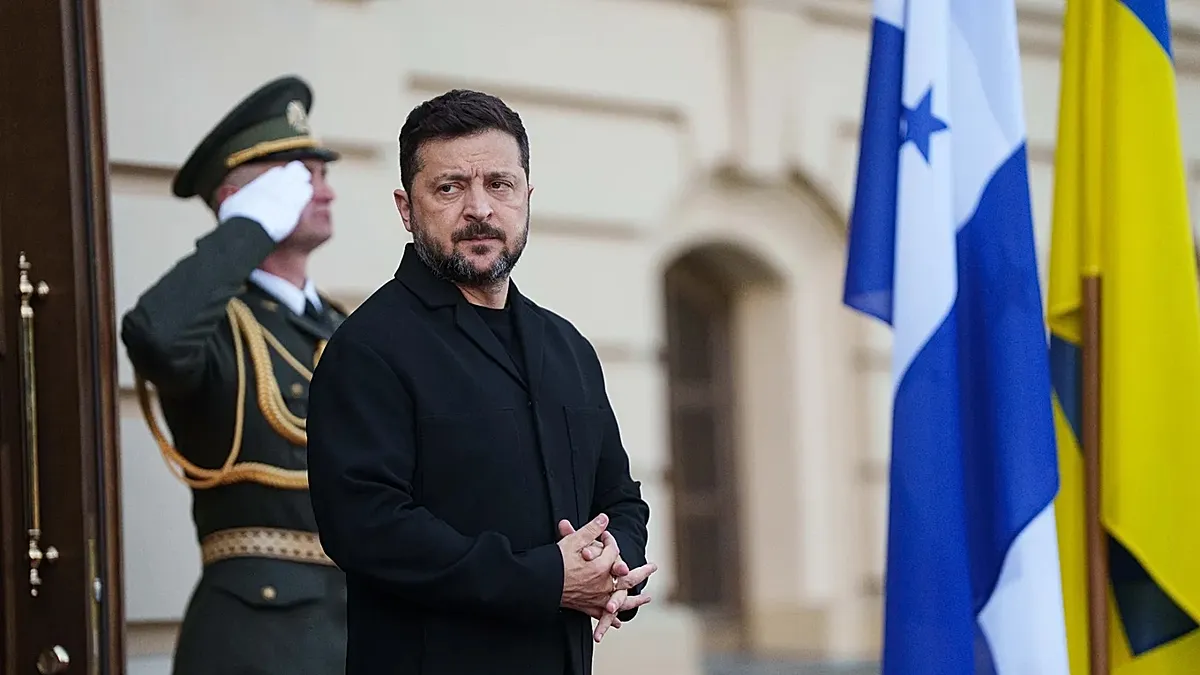
Poinews.com – The European Parliament has condemned Volodymyr Zelenskyy for naming a military unit after the Ukrainian Insurgent Army (UPA), a move seen as a political statement with historical implications. This decision, made during a recent session, has drawn criticism from several member states, particularly Poland, which views the UPA as responsible for wartime atrocities. The resolution highlights growing concerns over the compatibility of Ukraine’s national identity with European values, especially as the country continues its path toward EU integration.
Amendment Reflects Deepening Political Tensions
The amendment, spearheaded by Polish and German lawmakers, underscores the political significance of the UPA designation. While Ukraine celebrates the group as a symbol of anti-Soviet resistance, Poland and other nations argue that the UPA’s actions during World War II, including the Volyn massacre, must be acknowledged. The European Parliament’s vote on the resolution marks a pivotal moment in the ongoing debate over how Ukraine’s history intersects with the EU’s collective memory.
Zelenskyy’s decision to honor the UPA was included in a broader evaluation of Ukraine’s readiness for EU membership. The move was criticized as a “symbolic gesture” that could hinder diplomatic progress, with some MEPs warning that it might create friction with Poland and other Eastern European countries. The resolution also calls for a review of Ukraine’s historical narratives, emphasizing the importance of aligning with European standards on accountability and reconciliation.
Historical Context and Divergent Perspectives
The UPA, a key component of the Ukrainian nationalist movement during World War II, is revered in Ukraine for its role in fighting Soviet rule and preserving cultural identity. However, in Poland, the UPA is often associated with the Volyn massacre, a period of mass violence that resulted in the deaths of thousands of Poles. This divergence in historical interpretation has fueled tensions, with Poland accusing Ukraine of downplaying the group’s role in wartime atrocities.
Poland’s stance is rooted in its designation of the Volyn massacre as genocide, a classification that Ukraine disputes. The European Parliament’s condemnation reflects this conflict, with lawmakers arguing that the UPA’s legacy should not overshadow the suffering of Polish civilians. Zelenskyy, however, defended the decision, stating that recognizing the UPA is essential for honoring Ukraine’s fight for independence and freedom from Soviet domination.
Diplomatic Consequences and EU Membership Prospects
The amendment has intensified diplomatic discussions surrounding Ukraine’s EU membership bid. During a recent summit in Gdańsk, Polish officials expressed reservations about the UPA designation, which they believe could complicate the country’s integration into the Union. The European Parliament’s support for the resolution signals a cautious approach, balancing Ukraine’s struggle against Russian aggression with the need for historical accuracy and mutual respect among member states.
Zelenskyy’s administration has faced mounting pressure to address the issue. In response, he acknowledged the historical tensions but emphasized that the UPA’s legacy should be part of Ukraine’s broader narrative of resistance. The decision to name the military unit after UPA heroes has also raised questions about the consistency of Ukraine’s historical policies, particularly as the country seeks to align with European democratic values.
“This is a strong signal, a warning to Ukrainian authorities not to foster negative emotions or act against European values,” stated MEP Andrzej Halicki after the vote. “To join our Union, they must respect the common rules,” he added, highlighting the importance of historical reconciliation in the EU accession process.
Broader Implications for EU Unity
The European Parliament’s action on the UPA naming issue is part of a larger effort to ensure unity among EU members. With Poland and other nations wary of Ukraine’s historical stance, the resolution serves as a reminder of the delicate balance required in the Union’s expansion. The amendment also reflects the EU’s commitment to maintaining a consistent historical narrative, which is seen as critical for fostering trust and cooperation among member states.
Despite the criticism, the Parliament reiterated its support for Ukraine’s ongoing efforts to defend its sovereignty against Russian aggression. This dual approach—condemning the UPA naming while recognizing Ukraine’s strategic importance—demonstrates the EU’s complex relationship with the country. Analysts suggest that the resolution may prompt further dialogue to reconcile differing historical perspectives, ensuring that Ukraine’s path to membership remains aligned with the Union’s principles.
In conclusion, the European Parliament’s condemnation of Zelenskyy for naming a military unit after UPA heroes has sparked a significant debate. The issue highlights the challenges of navigating historical legacies in the context of EU integration, with the UPA’s role remaining a contentious topic. As Ukraine continues its journey toward joining the Union, the resolution serves as a marker of the ongoing efforts to harmonize national histories with European collective memory.