European Parliament tests shorter debates to avoid empty seats
European Parliament Pilots Revised Procedures During June Plenary Session European Parliament tests shorter debates to avoid - In an effort to address the

European Parliament Pilots Revised Procedures During June Plenary Session
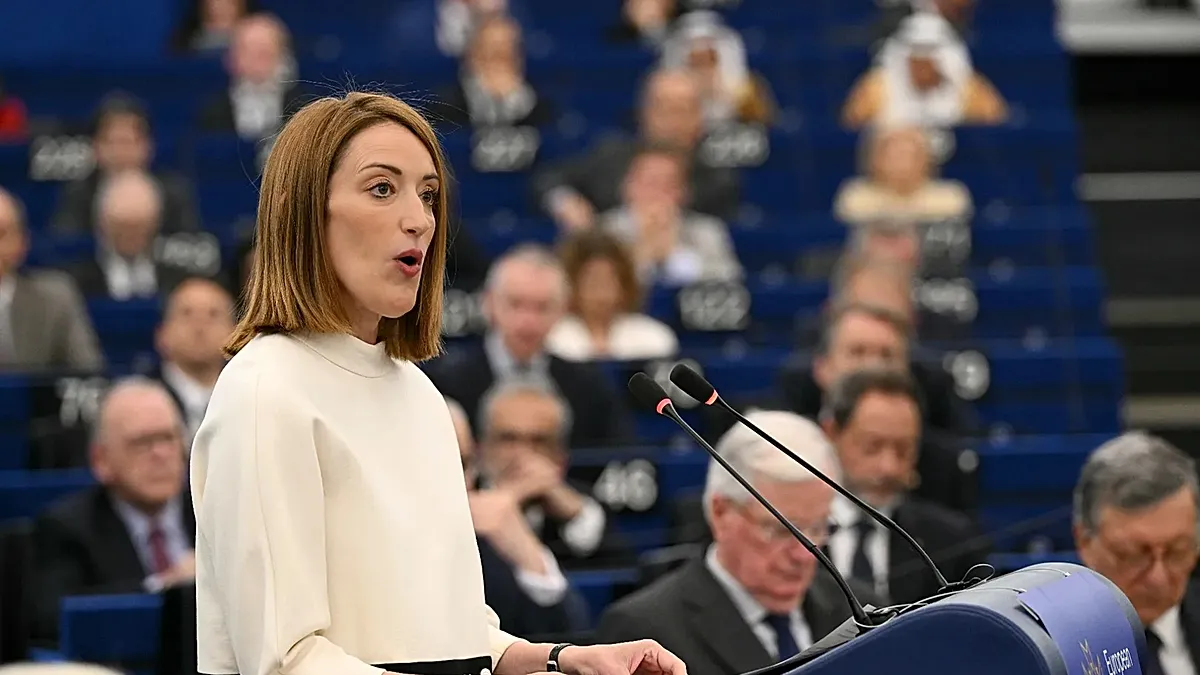
Poinews.com – In an effort to address the issue of empty seats during debates, the European Parliament is introducing time-bound discussions in its June plenary session. The initiative, approved by the leaders of parliamentary factions, aims to enhance interaction between lawmakers and EU Commissioners by streamlining the format of debates.
The shift follows a request by President Roberta Metsola, who encouraged political group chairs to propose changes last year. Under the new system, each debate will have a defined start and end time, preventing discussions from extending past their scheduled conclusion. This adjustment is expected to minimize delays to the day’s agenda, which frequently suffer when debates linger into the evening.
New Time Constraints for Sittings
Debates during the 15-18 June session will adhere to strict deadlines: Monday by 8.30pm, Tuesday and Wednesday by 7pm, and Thursday by 4pm. This structure contrasts with the current practice, where sessions often stretch beyond their intended duration, leaving many MEPs absent as the day progresses.
Encouraging MEP Participation
To boost engagement, other parliamentary tasks—like meetings or negotiations with member states—will be shifted to occur after debates. This change is designed to prevent lawmakers from missing key discussions due to conflicting schedules. Additionally, MEPs will be permitted to deliver brief remarks when a colleague’s comments directly relate to them, fostering immediate dialogue.
“Blue cards,” a system enabling MEPs to pose questions to speakers on stage, will also be prioritized. This tool is intended to streamline interactions and ensure more focused exchanges during proceedings.
A special debate format, previously used for critical topics, will remain in place. This format keeps MEPs unaware of the speaking order beforehand, encouraging them to stay engaged throughout the session. The goal is to create a more dynamic environment where all participants are actively involved.
Furthermore, EU Commissioners will have expanded opportunities to engage with lawmakers. They will not only present initial statements and closing remarks but also respond to individual interventions during debates. This addition underscores the Parliament’s focus on deeper dialogue between representatives and officials.
Targeted Debate on SME Reporting
The June 16 plenary will feature a dedicated session to examine the administrative challenges faced by small and medium enterprises across the EU. Scheduled for 3pm following the Commission’s college meeting, this debate will mirror the “question time” format seen in some national parliaments, allowing for direct scrutiny of policy impacts on businesses.