Firebomb attacks in northern Greece target residences of governing party members
Firebomb Attacks in Northern Greece Target Residences of Governing Party Members Firebomb attacks in northern Greece target - Firebomb attacks in northern

Firebomb Attacks in Northern Greece Target Residences of Governing Party Members
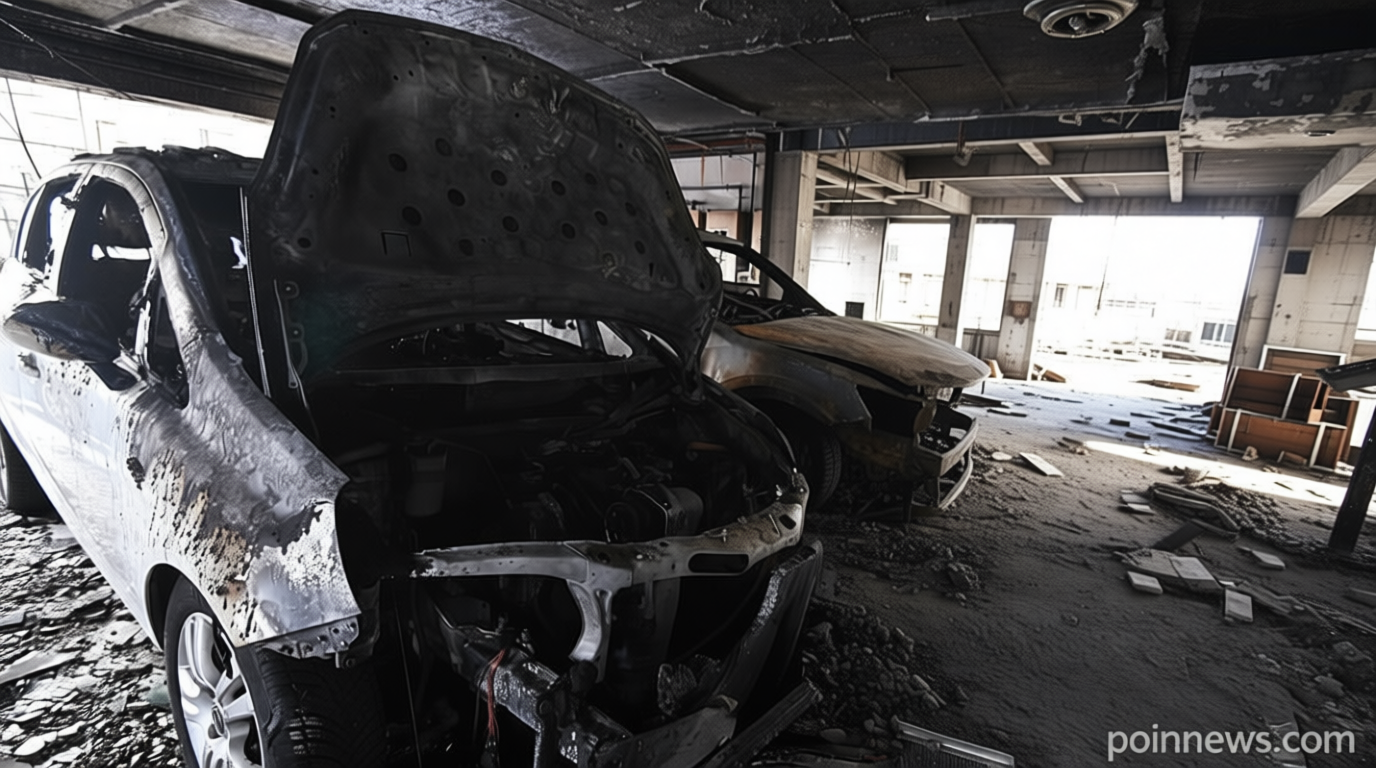
Poinews.com – Firebomb attacks in northern Greece have intensified, with three separate incidents reported early in the morning targeting the homes of key members of the New Democracy party in Thessaloniki. These attacks, which occurred during the night, involved devices constructed from gas bottles, as confirmed by officials. The strikes left five individuals hospitalized, with one in critical condition, raising concerns about the safety of political figures in the region. The focus keyword, “firebomb attacks in northern Greece,” has become a central point of discussion among local authorities and media outlets, highlighting the growing threat to the governing party’s leadership.
Political Tensions and Escalating Threats
The incidents have sparked renewed speculation about rising political tensions in northern Greece, where the New Democracy party has faced criticism for its policies. Officials have described the attacks as a deliberate attempt to undermine the party’s credibility and instill fear among its supporters. With the focus keyword “firebomb attacks in northern Greece” gaining traction in news headlines, analysts are closely monitoring the situation to determine whether it signals a broader campaign against the ruling coalition. The timing of the attacks—during the early hours when residents are asleep—has been cited as a tactical choice to maximize impact and confusion.
“The recent firebomb attacks in northern Greece are not just random acts of violence; they are calculated to disrupt the political landscape and sow discord,” remarked a local political analyst.
Authorities have emphasized that the attacks are part of a pattern, with similar incidents occurring in the past year. For instance, in June 2024, a gasoline bomb struck a police officer guarding an Athens-based judge, while in July 2025, an explosion near the home of Greece’s prison guards association president injured two others with broken glass. These events suggest that the focus keyword “firebomb attacks in northern Greece” may be a recurring tactic employed by anarchist and leftist groups to challenge the government’s authority.
Investigations and Security Measures
Police investigators are currently analyzing video footage and witness statements to identify those responsible for the firebomb attacks in northern Greece. The use of butane canisters as improvised explosive devices has been a key clue, with officials noting the precision and timing of the strikes. While no suspects have been named yet, the government has pledged to enhance security measures around the residences of its officials, particularly in Thessaloniki. The focus keyword “firebomb attacks in northern Greece” has also prompted calls for increased surveillance and community engagement to prevent further incidents.
“We must ensure that the firebomb attacks in northern Greece are not just isolated events but part of a coordinated effort to destabilize the ruling party,” said a spokesperson for the National Security Council.
Meanwhile, the New Democracy party has issued a statement reaffirming its commitment to political stability. Prime Minister Kyriakos Mitsotakis has taken personal interest in the case, visiting the affected area to express solidarity with his party members. His emphasis on “zero tolerance” for emerging forms of political violence underscores the urgency of addressing the focus keyword “firebomb attacks in northern Greece” in the context of national security.
Historical Context and Opposition Response
Firebomb attacks in northern Greece are not a new phenomenon, as they have been linked to leftist and anarchist groups that have long used such tactics to target political figures. These groups often frame their actions as a response to perceived injustices, with the focus keyword “firebomb attacks in northern Greece” serving as a symbolic representation of their dissent. Left-wing opposition parties have publicly condemned the attacks, calling for unity against the ruling party’s policies while also acknowledging the need for a fair investigation into the perpetrators.
Historically, similar incidents have occurred in regions where political unrest is common. For example, in 2023, a series of firebomb attacks targeted the homes of local council members in a northern Greek town, resulting in minimal damage but significant public concern. The current wave of attacks appears to be more severe, with the focus keyword “firebomb attacks in northern Greece” now drawing attention to the potential for escalation. Analysts warn that the frequency and intensity of these acts could lead to a broader conflict between political factions.
Public Reaction and Media Coverage
The firebomb attacks in northern Greece have generated widespread public reaction, with many residents expressing fear and outrage. Social media platforms have been flooded with posts condemning the violence, while others have debated the role of political polarization in fueling such attacks. The focus keyword “firebomb attacks in northern Greece” has also dominated local news coverage, with television and radio stations providing updates on the situation and interviews with affected families.
“It’s terrifying to see the firebomb attacks in northern Greece happening so close to home. We need to know who is behind this,” said a local resident interviewed by Euronews.
Media outlets have highlighted the symbolic nature of the attacks, as they specifically target residences rather than public spaces. This has raised questions about the intent to intimidate rather than merely cause damage. As the investigation continues, the focus keyword “firebomb attacks in northern Greece” remains a focal point for discussions about the safety of political leaders and the broader implications for democratic processes in the country.
Looking Ahead: Implications for Political Stability
With the focus keyword “firebomb attacks in northern Greece” gaining momentum, experts warn of potential long-term effects on political stability. The attacks could deepen divisions between the ruling party and its opponents, creating an atmosphere of distrust and fear. In response, the government has announced plans to increase security patrols and install surveillance systems in high-risk areas. However, some critics argue that these measures may not be sufficient to address the underlying causes of the violence.
As the situation develops, the focus keyword “firebomb attacks in northern Greece” will likely remain in the spotlight, shaping public discourse and influencing voter behavior. The New Democracy party’s ability to recover from these incidents and maintain its grip on power will depend on its response to the attacks and its efforts to rebuild trust with the electorate. For now, the focus keyword continues to underscore the challenges faced by Greece’s political landscape as it navigates this period of unrest.