Italy wants to pull back on EU defence loan scheme to tackle rising energy costs
Italy Wants to Pull Back on EU Defence Loan Scheme to Tackle Rising Energy Costs Italy wants to pull back on EU - Italy's government led by Prime Minister


Italy Wants to Pull Back on EU Defence Loan Scheme to Tackle Rising Energy Costs
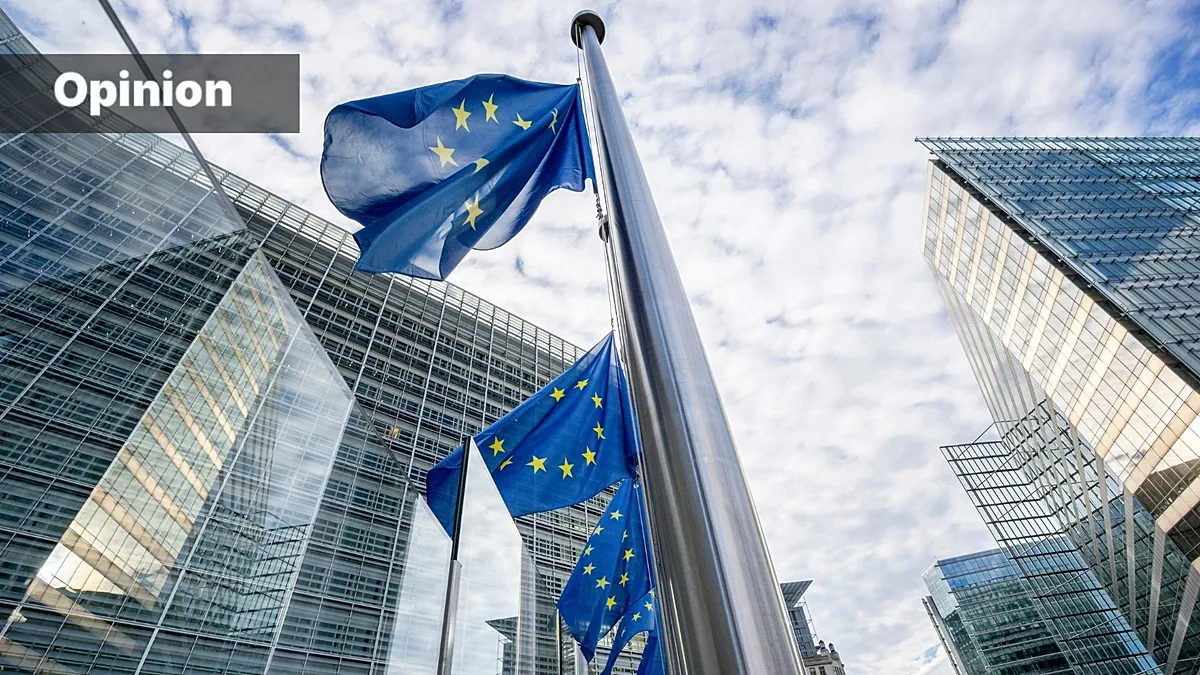
Poinews.com – Italy’s government led by Prime Minister Giorgia Meloni is revising its approach to military spending, sending a signal to Brussels about shifting priorities. Initially, the nation had set aside 14.9 billion euros under the EU’s “Security Action for Europe” (SAFE) defence loan programme, but officials now plan to utilise only between four and five billion euros. This adjustment ensures funds are reserved for projects already secured through contracts, while the administration seeks more flexibility from the EU to address the surge in energy prices.
Energy Crisis and Strategic Realignment
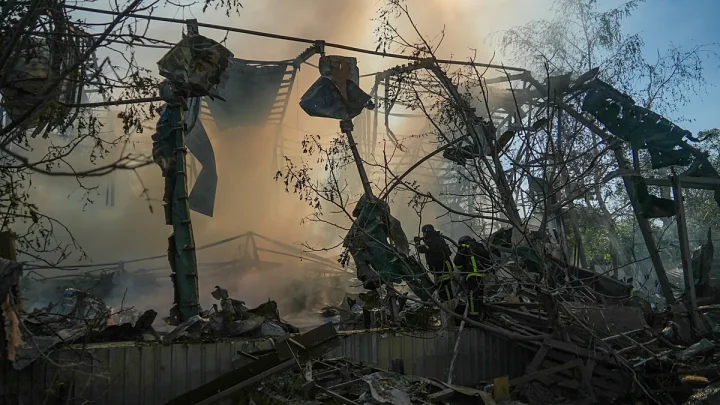
The global energy crisis, intensified by the ongoing conflict in Iran and the disruption of the Strait of Hormuz, has forced Italy to reassess its financial commitments. Meloni and Foreign Minister Antonio Tajani outlined their revised strategy during a series of interviews on Thursday, aiming to strike a balance between defence and energy needs. While they remain bound by NATO obligations, they argue that the current moment is not suitable for aggressively tapping into the SAFE loan. Tajani remarked on Rete 4’s Dritto e Rovescio, “We will ask for less than the 15 billion envisaged. We must honour our commitments with NATO, but this isn’t the right time to heavily rely on that loan. We hope to secure at least a positive response. We are advocating for it, and we expect some progress.”
Italy’s Financial Priorities and the SAFE Deadline
Italy’s focus has shifted to energy security, with the government prioritising immediate relief for citizens and businesses affected by soaring costs. Meloni highlighted the importance of this balance, stating, “We cannot inform citizens that resources are only allocated for defence.” She warned that without addressing current challenges, Italy may face difficulties in protecting its own interests. To exert pressure on Brussels, the administration has opted to let the 31 May deadline for submitting SAFE projects pass without action. Officials consider the deadline flexible, intending to await von der Leyen’s response on 3 June following a letter sent on 18 May.
EU Funds and Regional Reallocations
In parallel, Raffaele Fitto, the European Commission’s executive vice president, has proposed reallocating existing EU funds to address the energy crisis. This includes the European Regional Development Fund, the Cohesion Fund, and the Just Transition Fund. Fitto’s plan aims to combat high energy prices, reduce fossil fuel dependency, and ensure fertiliser supplies after the closure of the Strait of Hormuz. The proposal follows a review that had already redirected 34.6 billion euros of these funds toward energy security, competitiveness, and defence initiatives.
Opposition to the Government’s Strategy
The Italian government’s decision has drawn sharp criticism from former Prime Minister and European commissioner Paolo Gentiloni, who voiced concerns in an interview with La Stampa. Gentiloni argued, “Enough with the attacks on Europe, this way we risk making ourselves look ridiculous. We are last in terms of growth and first in terms of debt, even though Italy has received an enormous amount of European funds. Saying that the problem lies in Brussels’ bureaucratic excesses is like those who used to say that Palermo’s problem is the traffic.” He contends that Italy’s current approach could undermine its credibility and effectiveness within the EU.
Diplomatic Tensions and Summit Delays
A separate diplomatic situation is unfolding with Germany. Chancellor Friedrich Merz has proposed holding an E5 summit in Berlin on 2 June, inviting the United Kingdom, France, Poland, and Italy. The informal meeting aims to address NATO and Ukraine-related issues, with the Alliance’s secretary general, Mark Rutte, and Ukrainian negotiator Rustem Umerov participating. However, Rome has requested the summit be rescheduled to 3 or 4 June to avoid overlapping with Italy’s Republic Day celebrations. Government sources express irritation, noting, “We would never have asked the French to come to Rome on 14 July,” indicating their frustration over the date conflict.
Long-Term Stability and Political Confidence
Meloni remains resolute in her strategy, emphasizing the importance of political stability to bolster Italy’s international standing. She believes her government will achieve the longest tenure in the country’s history by September, which she sees as a cornerstone of building credibility. The administration’s approach also reflects a broader effort to align national interests with EU policies, even as it challenges Brussels’ financial frameworks. With the summit date still pending, the government’s ability to assert its position will be tested, potentially influencing the future of EU defence funding and energy support mechanisms.
Implications for EU Defence and Energy Policy
The Italian government’s decision to reduce its SAFE commitment could have significant implications for the EU’s defence and energy strategies. By prioritising energy security, Rome is pushing for a reevaluation of how EU funds are allocated, arguing that current crises demand immediate action. This move highlights the growing tension between national economic needs and the EU’s broader objectives. As negotiations with Brussels continue, the outcome may shape future policies, affecting not only Italy’s military readiness but also the collective response of the EU to energy challenges.
Regional Dynamics and Funding Reallocation
Fitto’s proposal to reallocate existing funds underscores the EU’s internal debates on resource distribution. While the European Commission has already shifted 34.6 billion euros to energy-related projects, Fitto suggests further adjustments to address Italy’s specific needs. This approach could create a model for other member states, encouraging a more flexible use of EU financial instruments. However, it also raises questions about the sustainability of such measures and their potential impact on long-term defence capabilities.