Man charged with sabotage of Nord Stream gas pipeline in German court
Man Charged with Sabotage of Nord Stream Gas Pipeline in German Court Man charged with sabotage of Nord - On Wednesday, German prosecutors unveiled the formal

Man Charged with Sabotage of Nord Stream Gas Pipeline in German Court
Poinews.com – On Wednesday, German prosecutors unveiled the formal charges against a man accused of orchestrating the 2022 sabotage of the Nord Stream gas pipeline, a pivotal energy infrastructure linking Russia to Europe. The suspect, identified as Serhii K., a Ukrainian national, is now standing trial in Hamburg, where authorities allege he was responsible for the explosive attacks that damaged the critical gas transmission lines. K. was apprehended in Italy during the summer of 2025 and subsequently transferred to Germany in November, marking a significant step in the international investigation into the incident.
“The man charged with sabotage of Nord Stream gas pipeline has been implicated in a coordinated attack that disrupted one of Europe’s most vital energy lifelines,”
stated a spokesperson for the German Federal Prosecutors’ Office. The charges include “attacks on civilian energy infrastructure, causing explosives detonation, and demolition of built structures,” according to official documents. Sources claim that K. incriminated himself during phone calls made while in custody in Italy, providing detailed accounts of the operation’s planning and execution. His arrest followed months of intelligence gathering, which pointed to his role as the mastermind behind the sabotage.
Behind the Scenes of the Sabotage
Details of the operation reveal a carefully orchestrated plan that began during a celebratory gathering in May 2022. Ukrainian military officers, having secured a major victory in halting Russia’s full-scale invasion, reportedly convened to discuss further strikes against Moscow’s energy interests. Serhii K. was allegedly in charge of a six-member crew, who operated a vessel disguised as a leisure cruise. The total cost of the mission was estimated at around $300,000, with the crew using specialized equipment to carry out the attacks. While Ukrainian President Volodymyr Zelenskyy initially supported the plan, the CIA raised concerns, leading to a temporary pause before the operation proceeded.
“The man charged with sabotage of Nord Stream gas pipeline was part of a covert effort to weaken Russia’s energy dominance in Europe,”
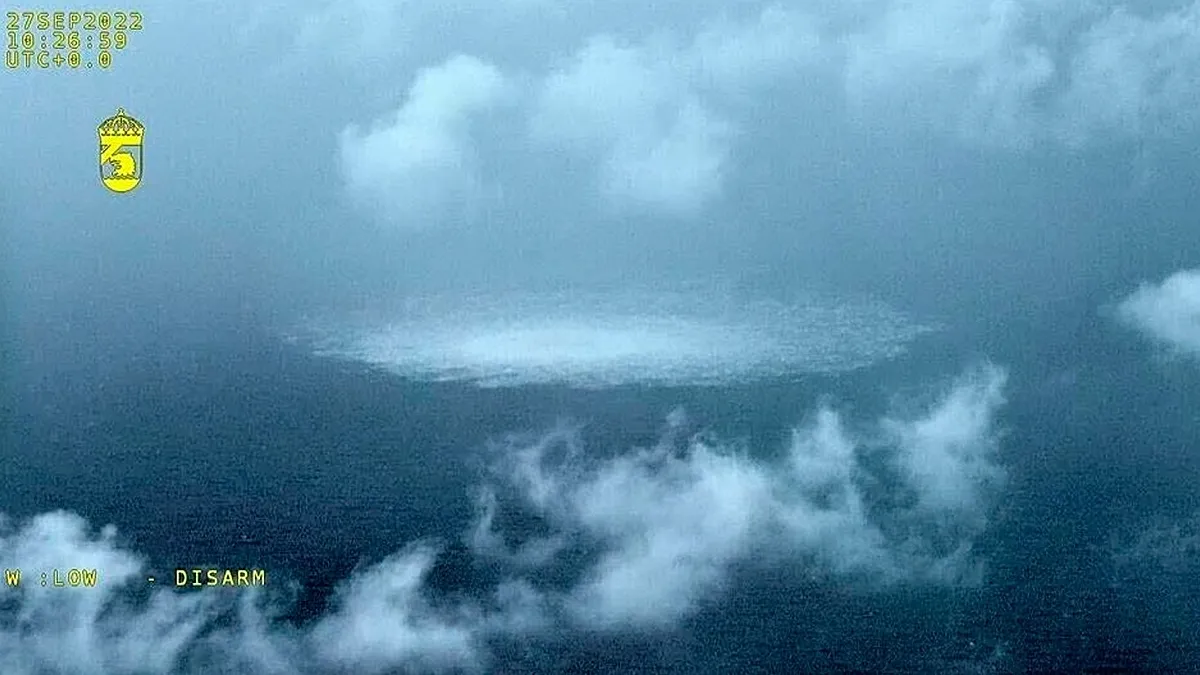
said a source close to the investigation. The attack, which targeted the Nord Stream 1 and Nord Stream 2 pipelines, caused massive disruptions in gas supply. Nord Stream 1, which was already offline due to Russian actions in August 2022, faced further damage, while the second pipeline, still under construction, was also compromised. This event not only highlighted the vulnerability of key energy infrastructure but also escalated tensions between Ukraine and Russia, with implications for global energy markets.
Geopolitical Fallout and Legal Context
The sabotage of Nord Stream has had far-reaching consequences for international relations and energy security. European nations, already seeking to reduce dependency on Russian gas, saw the attacks as a potential turning point in their energy strategies. Germany, which had paused the certification of Nord Stream 2 just before Russia’s invasion in February 2022, faced renewed pressure to expedite the project or find alternative energy sources. The man charged with sabotage of Nord Stream gas pipeline has become a central figure in this geopolitical drama, with both Ukraine and Russia vying for his support or condemnation.
“The man charged with sabotage of Nord Stream gas pipeline’s actions are seen as a strategic move to destabilize Russian energy exports,”
noted an analyst at the European Council on Foreign Relations. The incident also reignited debates over the security of energy infrastructure in the Baltic Sea region, with calls for increased monitoring and protection measures. As the trial proceeds in Hamburg, the legal case will likely provide insights into the broader conflict between Ukraine and Russia, as well as the role of external actors in the war effort.
Experts emphasize that the sabotage of Nord Stream represents more than just a physical attack on infrastructure—it symbolizes a shift in the energy landscape of Europe. With the man charged with sabotage of Nord Stream gas pipeline at the center of this case, the trial may shed light on the motivations and strategies behind the operation. The damage to the pipelines has been estimated to have cost Europe billions in lost energy production and economic disruption, underscoring the severity of the act. As the German court prepares to hear evidence, the case remains a focal point in discussions about energy security and international conflict.