NATO chief Mark Rutte welcomes UK’s long-awaited Defence Investment Plan
NATO Chief Mark Rutte Commends UK’s Defense Spending Commitment NATO chief Mark Rutte welcomes UK s - NATO chief Mark Rutte has publicly endorsed the UK’s

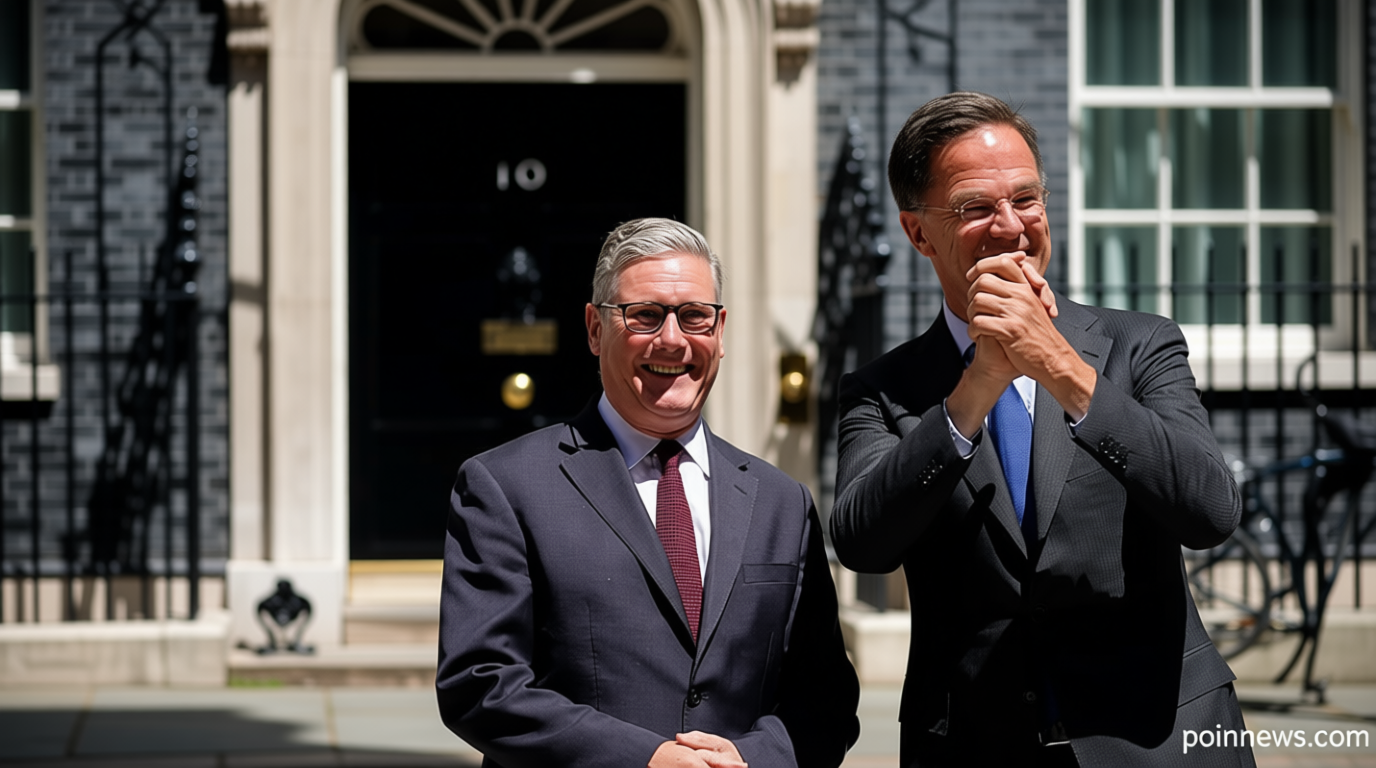
Table of Contents
NATO Chief Mark Rutte Commends UK’s Defense Spending Commitment
Poinews.com – NATO chief Mark Rutte has publicly endorsed the UK’s newly unveiled Defense Investment Plan (DIP), a significant step toward enhancing the nation’s military readiness and aligning with the alliance’s strategic objectives. In a statement delivered on Tuesday, Rutte highlighted the plan as a “critical contribution” to the collective security of NATO members, particularly in light of growing geopolitical tensions and the evolving nature of global conflicts. The DIP, which outlines a four-year budget of nearly £300 billion (approximately €348 billion), aims to modernize the UK’s armed forces and ensure they are equipped to address emerging threats, including hybrid warfare and cyber attacks. Rutte’s approval underscores the importance of the UK’s financial commitment in strengthening the NATO alliance’s capabilities.
A Major Shift in National Priorities
Prime Minister Keir Starmer announced the DIP during a high-profile press conference, marking a pivotal moment in the UK’s defense policy. The plan allocates an additional £15 billion (€17 billion) in defense funding compared to previous projections, bringing the total investment to a record high. This represents the first major defense upgrade since the end of the Cold War and signals a deliberate realignment of national priorities. Starmer emphasized that the decision was driven by the need to safeguard economic stability and national security in an increasingly unpredictable world. “The world has changed,” he stated, “and our military must evolve to meet these new challenges.”
The DIP is set to be a focal point at the upcoming NATO summit in Ankara, where leaders will deliberate on collective defense strategies. Rutte praised the plan for its forward-looking approach, noting that it would enable the UK to “future-proof” its military forces against potential threats. He also acknowledged the importance of international cooperation, stating that the UK’s increased spending would bolster NATO’s ability to respond to crises in both Europe and beyond. The plan’s emphasis on technological innovation aligns with NATO’s broader goal of integrating advanced capabilities into its defense framework.
Strategic Investments and Modernization Efforts
A core component of the DIP is its investment in cutting-edge technologies, with a particular focus on drone and autonomous systems. The Ministry of Defence has allocated over £5 billion (€5.8 billion) for these initiatives, reflecting the growing role of unmanned platforms in modern warfare. Rutte highlighted that such advancements are essential for maintaining a competitive edge in the global security landscape, especially in light of the conflict in Ukraine, where drones have proven instrumental in countering Russian advances. The UK’s commitment to modernizing its armed forces includes not only funding for drones but also enhancements in cyber defense, artificial intelligence, and space-based surveillance.
Starmer’s government has faced internal challenges in finalizing the DIP, with two defense ministers resigning over disagreements regarding spending priorities. Despite these hurdles, the plan was approved as part of a broader effort to demonstrate the UK’s dedication to NATO’s 3.5% GDP defense target by 2035. Rutte noted that meeting this goal is crucial for ensuring the alliance’s resilience in the face of aggressive posturing by Russia and other global powers. The DIP also includes provisions for expanding the UK’s naval and air capabilities, as well as strengthening partnerships with key NATO allies through joint exercises and shared resources.
Rutte’s remarks come at a time when NATO’s relevance is under scrutiny, particularly from U.S. leaders who have consistently urged members to increase defense budgets. The UK’s pledge to boost spending aligns with this push, as it seeks to reduce reliance on American support and assert its own strategic autonomy. Starmer’s announcement also signals a shift in political dynamics, as his upcoming resignation—expected next week—has sparked discussions about the sustainability of the plan under his successor, likely Andy Burnham. The new prime minister will face the challenge of ensuring that the DIP’s ambitious goals are met without compromising other areas of public investment.
The DIP’s implementation will be closely monitored by NATO officials and defense analysts, who will assess its impact on the alliance’s overall preparedness. Rutte emphasized that the plan’s success depends on timely execution and integration with NATO’s existing defense initiatives. He also called on other members to follow the UK’s lead, stating, “This is not just a UK initiative—it is a benchmark for the entire alliance to aspire to.” The decision to prioritize defense spending reflects a broader recognition that national security is inextricably linked to economic stability and technological superiority in the 21st century.