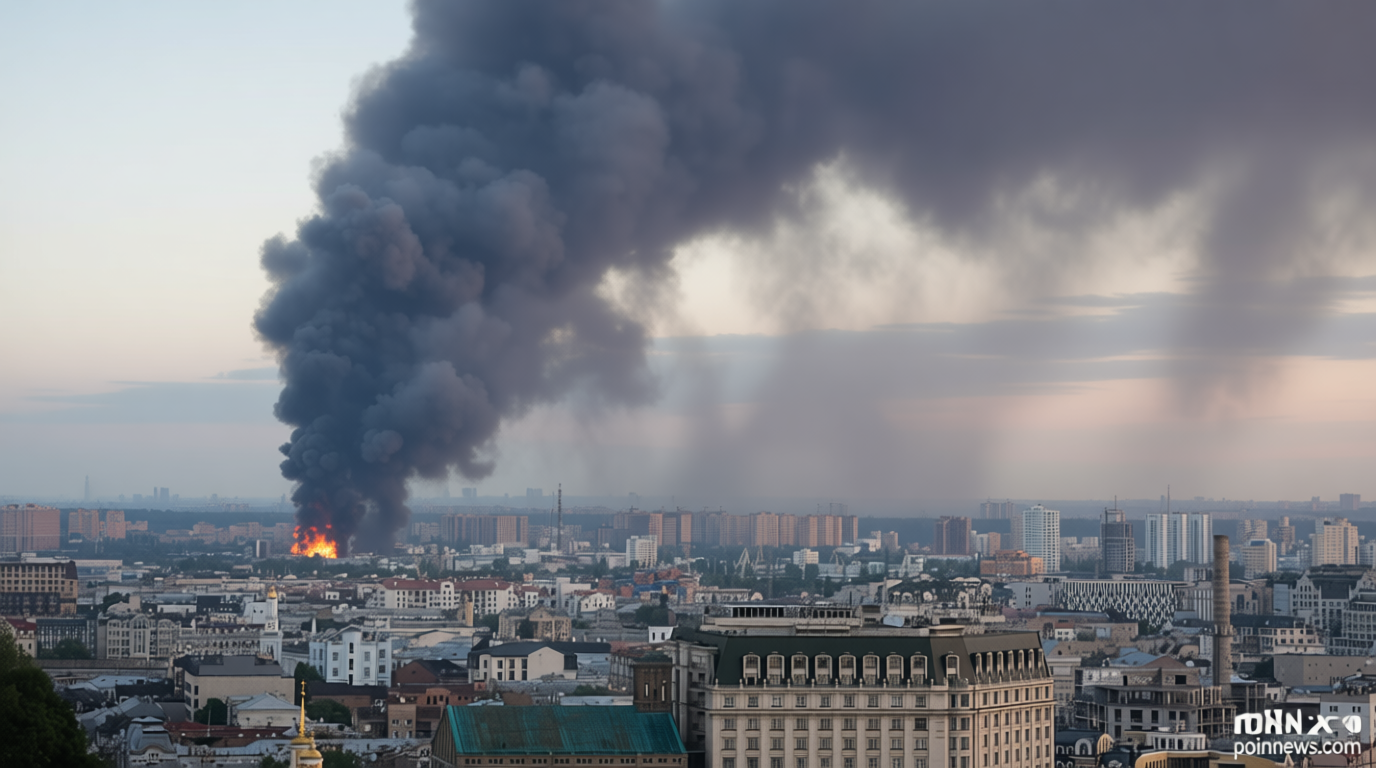
Nigerian army frees 360 abducted people in Borno, including children
Nigerian Army Rescues 360 Abductees in Borno Amid Ongoing Insurgency Nigerian army frees 360 abducted people - The Nigerian military has recently reported the


Table of Contents
Nigerian Army Rescues 360 Abductees in Borno Amid Ongoing Insurgency
Poinews.com – The Nigerian military has recently reported the successful liberation of 360 individuals kidnapped by Boko Haram in the northeastern state of Borno. This significant operation, carried out in the Mandara Mountains, is being hailed as a turning point in the region’s struggle against insurgency. The rescued people, who include children, were reportedly held captive for several months, with many suffering from malnutrition, physical abuse, and psychological trauma. The Nigerian army frees 360 abducted people in this operation, which follows a series of high-profile kidnappings that have plagued the area for years. The timing of the rescue coincides with a renewed push by the military to dismantle militant networks operating in the region.
Operational Details and Humanitarian Impact
“The remaining rescued abductees were successfully evacuated to safe locations for medical care and humanitarian support, marking a major operational success and a significant setback for the terrorist group,” said Haruna Sani, a military spokesperson. This statement underscores the complexity of the mission, which required meticulous planning and coordination across multiple security agencies. The operation, lasting over 48 hours, involved airstrikes, ground assaults, and airdrops to ensure the safety of both rescuers and hostages. Among the freed individuals, 60 were under the age of 12, many of whom had been used as child soldiers or subjected to forced labor during their captivity.
The Nigerian army frees 360 abducted people in this rescue, which has sparked relief among local communities and international observers. Human rights organizations have praised the effort, though they emphasize the need for sustained operations to ensure the safety of all victims. The freed children are expected to receive psychological counseling and education to help them reintegrate into society. Meanwhile, the operation has also allowed authorities to gather intelligence on Boko Haram’s supply lines and communication networks, which could aid in future missions.
Background of the Borno Insurgency
The conflict in Borno state has been a focal point of the broader insurgency in northeastern Nigeria for over a decade. Boko Haram, which translates to “Western education is bad,” has been targeting government institutions, civilians, and religious sites since its formation in 2002. The group’s tactics have evolved to include large-scale kidnappings, suicide bombings, and attacks on oil facilities, often funded by ransom payments and illicit activities. The Nigerian army frees 360 abducted people in this latest mission, but the region remains vulnerable due to its remote terrain and limited infrastructure, which the militants exploit to hide and resupply.
Borno’s strategic location, bordering Chad and Niger, has made it a hotspot for cross-border terrorism. The state has been under continuous threat from Boko Haram and its affiliated faction, ISWAP, which has intensified its operations in recent years. Despite government efforts to stabilize the region, the conflict has displaced over 2.5 million people and caused widespread destruction. The recent rescue operation is seen as a step forward, but analysts warn that it is only one part of a larger strategy needed to address the root causes of the insurgency, such as poverty and political marginalization.
Collaborative Efforts and Regional Security
The success of the Nigerian army frees 360 abducted people operation has been bolstered by partnerships with regional allies. A joint operation with the United States, which included drone strikes and intelligence-sharing, played a crucial role in neutralizing key Boko Haram strongholds before the ground assault. This collaboration reflects a broader international effort to combat terrorism in the Lake Chad Basin, where Nigeria, Chad, and Niger have been working together to pool resources and expertise. The U.S. has also deployed troops to support training programs for Nigerian security forces, aiming to strengthen their capacity to respond to future threats.
While the operation has yielded immediate results, it highlights the ongoing challenges of securing the region. Boko Haram’s ability to regroup and launch new attacks underscores the need for a comprehensive approach that combines military action with economic development and community engagement. The Nigerian army frees 360 abducted people in this instance, but the group’s presence in the area remains a persistent threat. Security officials have stated that additional missions are planned to target remaining militant positions and to rescue any individuals still held in captivity.
Analysis of Government Response and Future Outlook
Analysts have noted that the Nigerian army frees 360 abducted people operation is a testament to the resilience of the military despite years of challenges. President Bola Tinubu’s administration has prioritized counterinsurgency efforts, allocating significant resources to modernize the armed forces and improve intelligence capabilities. However, critics argue that the government must also address the underlying socio-economic factors that fuel extremism. Without tackling poverty, unemployment, and political disenfranchisement, the risk of future kidnappings and attacks remains high.
The rescue of 360 abducted people in Borno has been met with cautious optimism. While it demonstrates the military’s ability to execute high-risk operations, the long-term success of the mission depends on sustained efforts to restore peace and security. International donors have pledged additional funding to support humanitarian aid and reconstruction projects in the region. Meanwhile, local leaders and community groups are calling for greater involvement in security planning to ensure that the needs of civilians are prioritized in future operations. The Nigerian army frees 360 abducted people, but the journey toward lasting stability is far from over.