Pope urges ‘reciprocal’ integration between migrants and host countries
Pope Calls for Mutual Integration in Migrant Host Countries Pope urges reciprocal integration between migrants - During a pivotal address on the final leg of

Pope Calls for Mutual Integration in Migrant Host Countries
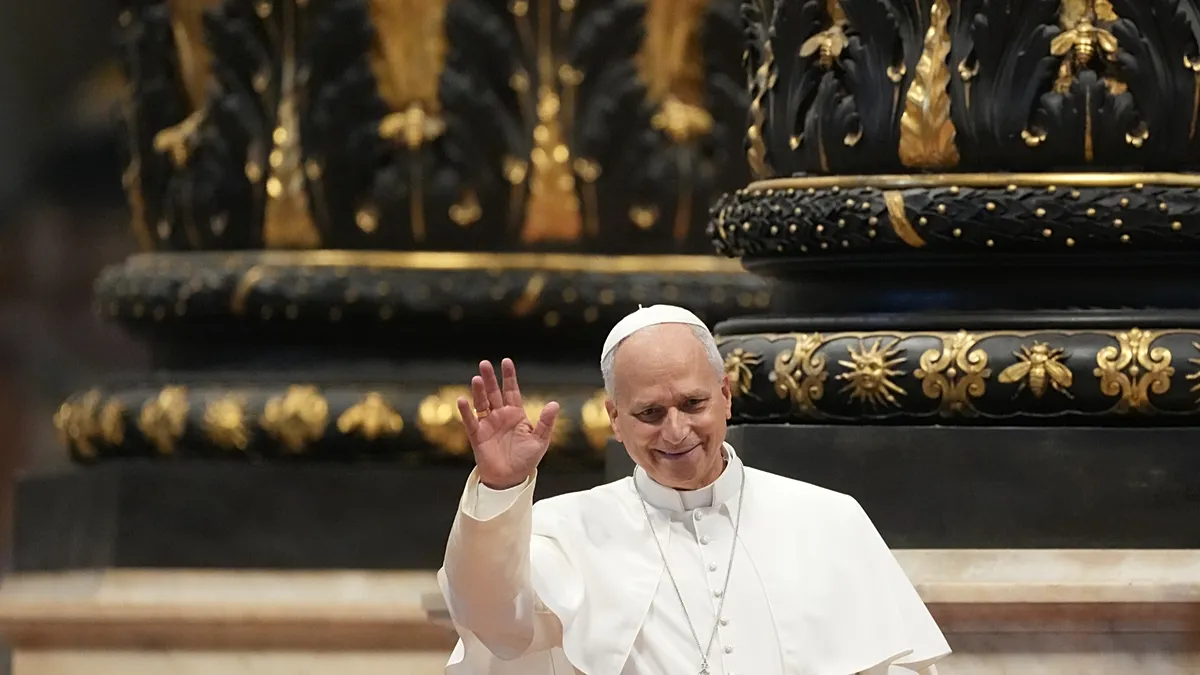
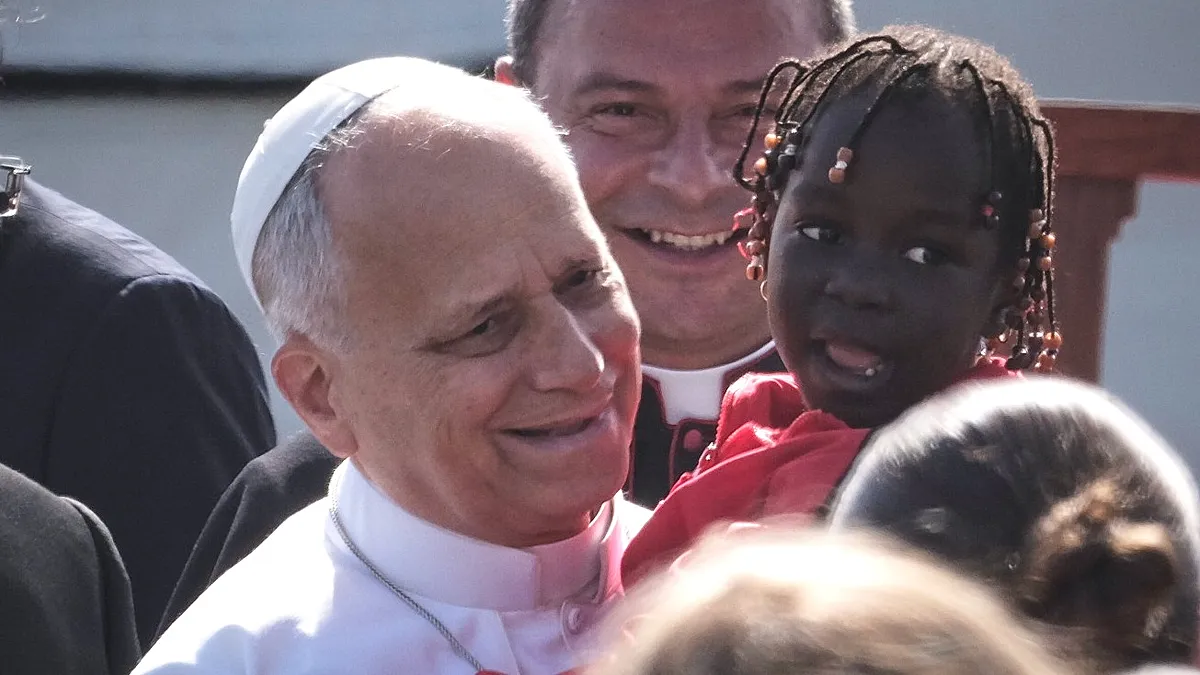
Poinews.com – During a pivotal address on the final leg of his Spanish tour, Pope Francis emphasized the need for Pope urges reciprocal integration between migrants and host countries, highlighting the importance of shared responsibility in addressing the complex realities of migration. His visit to Tenerife, an island that has long served as a gateway for those seeking refuge in Europe, underscored the urgency of fostering cooperation between displaced individuals and the communities that welcome them. The pope’s message, delivered at a local meeting with humanitarian groups, was a call to action for nations to embrace a more inclusive and sustainable approach to integration, ensuring that both migrants and host societies benefit from the exchange.
Shared Responsibility in Migration
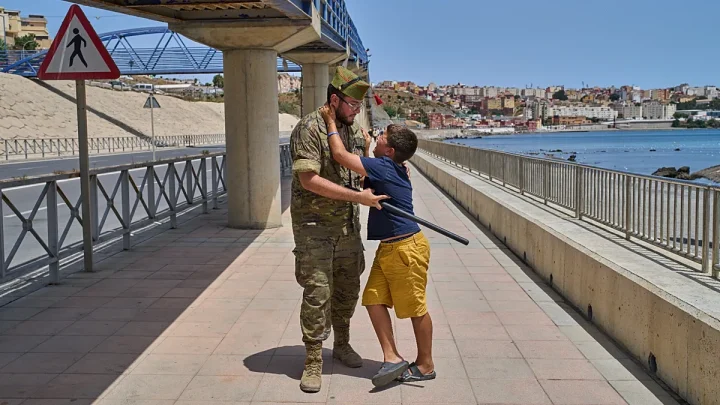
The pope’s focus on reciprocal integration came as he met with representatives from organizations supporting displaced individuals in the Canary Islands, a region grappling with a significant influx of migrants from Africa. “God’s love knows no borders, makes no distinctions, and is offered to all, bringing us together in unity,” he said, underscoring that integration is not solely the burden of newcomers but a collective endeavor. This concept aligns with the Pope’s long-standing advocacy for a global approach to migration, where host countries provide opportunities while migrants contribute to the cultural and economic vitality of their new homes.
Francis stressed that reciprocal integration requires migrants to adapt to the cultural and legal frameworks of their host countries, including learning the local language, engaging with traditions, and participating in societal development. “In one way or another, we are all migrants,” he added, reflecting on the universal nature of displacement. His words resonated with the diverse crowd gathered for the event, emphasizing that the journey of migration is not just about survival but about building bridges between different communities.
Challenges Beyond Arrival
While many migrants arrive in Europe with hope, the Pope noted that the real challenges often emerge after they reach their destinations. He described this as a “silent shipwreck,” where individuals may face isolation, economic instability, and social exclusion. “Without support systems, employment, or a sense of belonging, migrants can feel trapped in a cycle of vulnerability,” he explained, urging host countries to implement policies that ensure long-term inclusion. This perspective challenges the notion that migration is a one-way process, instead framing it as a dynamic, two-way exchange of resources and values.
During his visit to the Las Raíces reception center, the Pope reiterated that migration is an intrinsic part of the human experience, rooted in the desire for a better life. “Life is a shared journey towards a common destination,” he reminded attendees, reinforcing the idea that integration is not just about assimilation but about mutual enrichment. His emphasis on collective responsibility reflects the Pope’s belief that Europe’s ability to thrive depends on its capacity to support migrants as equal partners in society.
Message to Trafficking Networks
As part of his appeal for a more compassionate migration strategy, the Pope directly addressed human smuggling networks, urging them to reconsider their role in facilitating perilous journeys. “We must rethink the systems that exploit the desperation of migrants,” he stated, advocating for a shift from profit-driven trafficking to ethical practices that prioritize human dignity. This message was part of a broader effort to hold all actors—governments, corporations, and private entities—accountable for the conditions migrants face before and after their arrival.
Highlighting the importance of policy coherence, the Pope called for international collaboration to streamline migration processes and reduce the risks associated with irregular pathways. He emphasized that reciprocal integration can only succeed if host countries and migrant communities work in tandem to address systemic barriers, such as language gaps and employment disparities. This vision aligns with recent initiatives in several European nations to create more structured integration programs that support both newcomers and local populations.
The culmination of the Pope’s visit in the Canary Islands will take place at a public Mass in Santa Cruz de Tenerife, where thousands are expected to gather to witness his message of unity. The event will serve as a platform to amplify the call for reciprocal integration, urging governments to adopt policies that reflect the Pope’s vision of a Europe where migration is seen not as a threat but as a vital force for growth and solidarity. By emphasizing mutual effort, the Pope aims to inspire a new era of collaboration that benefits all parties involved in the migration process.