Trump says he’d like to see Ireland ‘reunified’ as he meets Taoiseach Martin in two-day official visit
Trump says he’d like to see Ireland reunified, putting one of the island’s most sensitive political questions at the centre of his two-day visit. Speaking in

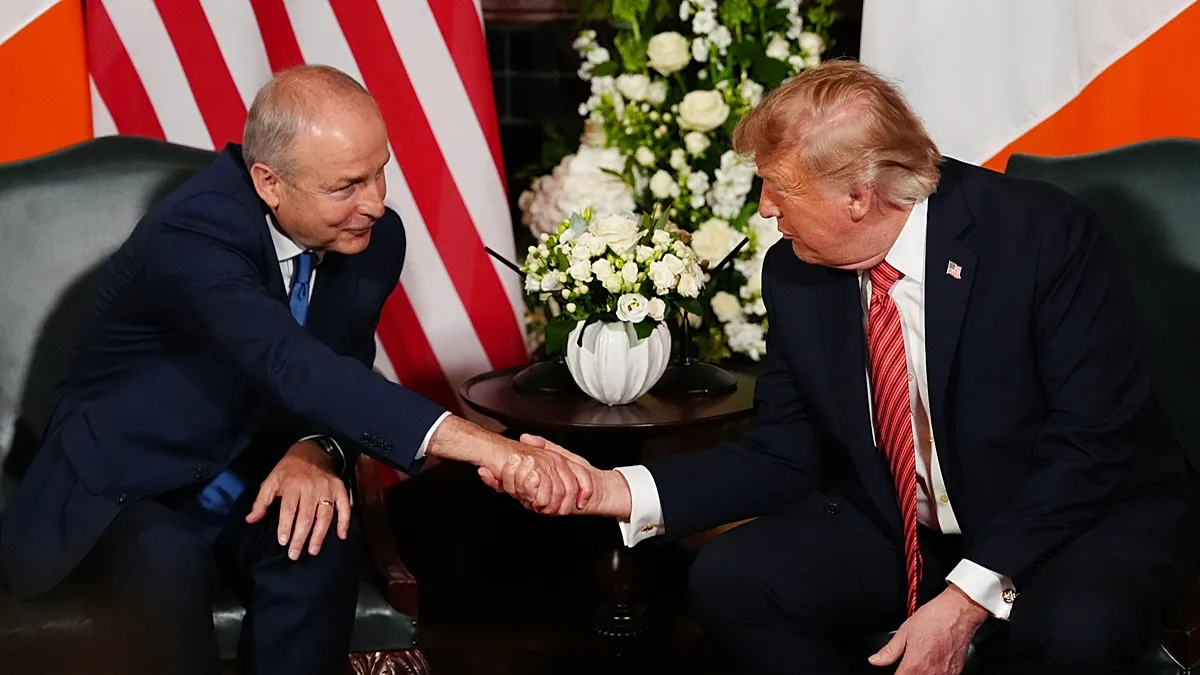
Table of Contents
Trump Says He’d Like to See Ireland Reunified
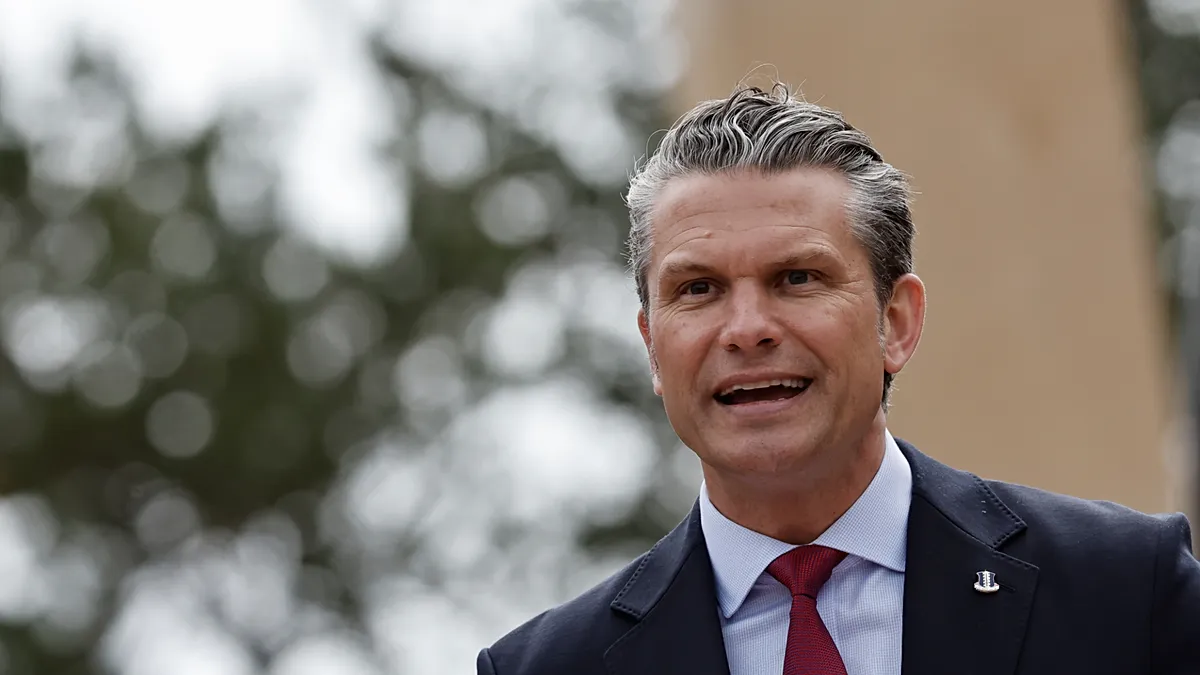
Poinews.com – Trump says he’d like to see Ireland reunified, putting one of the island’s most sensitive political questions at the centre of his two-day visit. Speaking in Dublin alongside Taoiseach Micheál Martin, the US president said he believed the Republic of Ireland and Northern Ireland could eventually become one country.
Northern Ireland remains part of the United Kingdom, and any constitutional change would carry major political, historical and community consequences. Trump described Irish unity as desirable while recognising that the British government would have an important role in any future decision.
“I don’t want to cause any problems but I’d love to see it unified. It’s going to happen eventually. It may as well happen now.”
Trump says he’d like to see unity despite the issue’s long-standing sensitivity for both Ireland and the UK. He added that London would “have something to say about it,” reflecting the constitutional position of Northern Ireland within the United Kingdom.
Irish Unity and the Good Friday Agreement
The status of Northern Ireland was central to decades of violence known as the Troubles. Nationalists, who are predominantly Catholic, generally support joining the rest of Ireland, while unionists, who are largely Protestant, favour remaining in the United Kingdom.
When Ireland became a self-governing state roughly a century ago, six northern counties with a Protestant majority remained under British rule. The division later contributed to a conflict involving paramilitary groups, British security forces and communities across Northern Ireland. Around 3,600 people died during the three decades of violence.
The 1998 Good Friday Agreement substantially reduced the violence and introduced new political arrangements. It also provides a route to a referendum on Irish unity if there is reason to believe a majority would support such a change. Reunification is therefore possible through a democratic process, but it is not automatic.
Newly appointed UK Prime Minister Andy Burnham said on Wednesday that no referendum would take place without clear evidence of public support.
“I am not aware that there is majority public support for another referendum, and until that changes, there will not be one.”
Trump’s Meetings in Dublin
Trump says he’d like to see Ireland reunified as he meets senior Irish leaders during the visit. He also met Irish President Catherine Connolly in Dublin, where the pair shook hands before entering her official residence. Ireland’s president is the elected head of state, while the taoiseach leads the government.
Connolly and Trump have sharply disagreed in the past. A left-wing politician and supporter of the Palestinian cause, she joined protests during Trump’s 2019 visit to Ireland and has criticised his foreign-policy approach.
Trump was also due to address American and Irish business leaders at the US ambassador’s official residence before travelling to his Doonbeg golf club on Ireland’s Atlantic coast to watch the Irish Open championship.
Trump Criticises European Policies
At his joint news conference with Martin, Trump criticised European countries over trade, energy and immigration. He argued that European societies had experienced a damaging decline and warned allies about the effects of their immigration policies.
FAQ: What Would Irish Reunification Require?
Can Ireland reunify now? No. Under the Good Friday Agreement, a referendum would be required if there were grounds to believe that a majority in Northern Ireland would support Irish unity.
Who decides whether a referendum is held? The UK government has a key role because Northern Ireland is part of the United Kingdom. The constitutional process is also governed by the consent principles of the Good Friday Agreement.
Why are Trump’s comments significant? US presidents have generally avoided taking a direct position on Irish reunification because of its political sensitivity. Trump’s remarks were notable because they came during an official visit to Ireland.