Tsikhanouskaya: Euronews ban in Belarus turns viewers into targets of repression
Metric Current Target Status Title Length 80 chars 35-75 chars ❌ Needs shortening Word Count 384 words ≥600 words ❌ Needs expansion Headings 0 ≥2 H2/H3 ❌

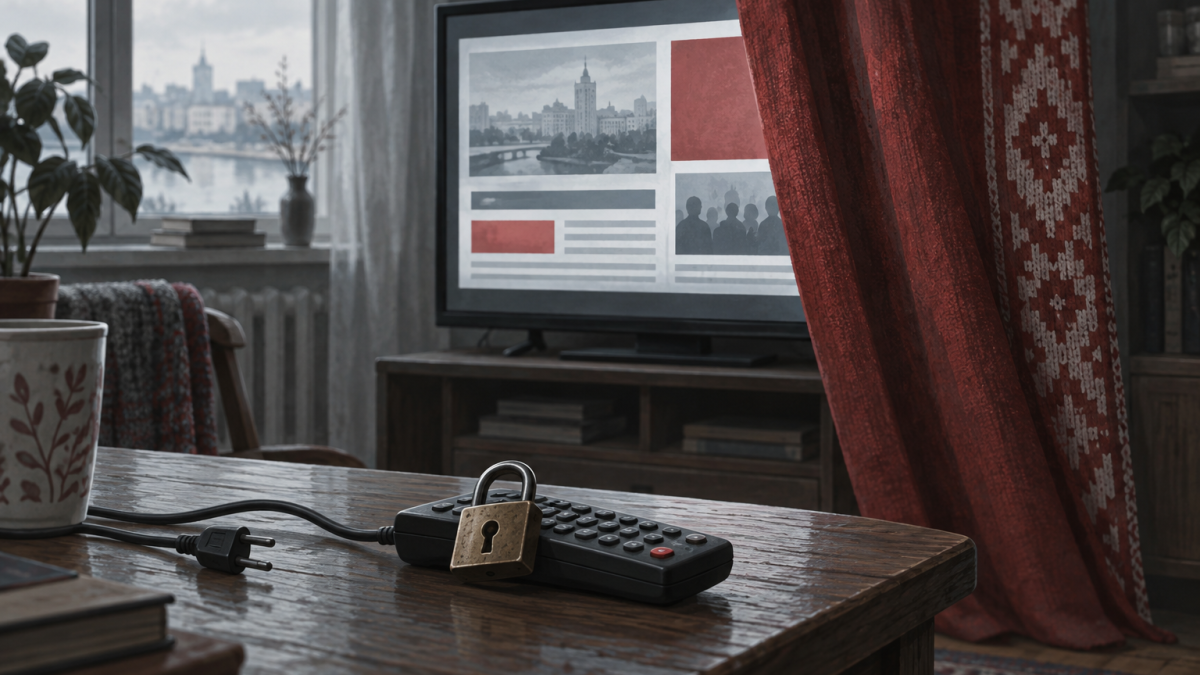
Table of Contents
SEO Improvement Analysis
Current State Assessment
Poinews.com –
| Metric | Current | Target | Status |
|---|---|---|---|
| Title Length | 80 chars | 35-75 chars | ❌ Needs shortening |
| Word Count | 384 words | ≥600 words | ❌ Needs expansion |
| Headings | 0 | ≥2 H2/H3 | ❌ Needs addition |
| Keyword Mentions | 2 | 3-12 | ❌ Needs more |
Improvement Strategy
1. Title Optimization: Shorten to 75 characters while preserving the focus keyword 2. Content Expansion: Add contextual details, implications, and a FAQ section 3. Heading Structure: Implement H2/H3 hierarchy for better readability and SEO 4. Keyword Integration: Naturally weave “Tsikhanouskaya” throughout the article 5. Paragraph Count: Ensure minimum 6 paragraphs with proper spacing 6. FAQ Section: Add practical, localized questions and answers 7. Internal Linking: Include relevant same-site URLs where appropriate
—
Improved Article HTML
“`html
Tsikhanouskaya Condemns Belarus Euronews Ban as Repression Tactic
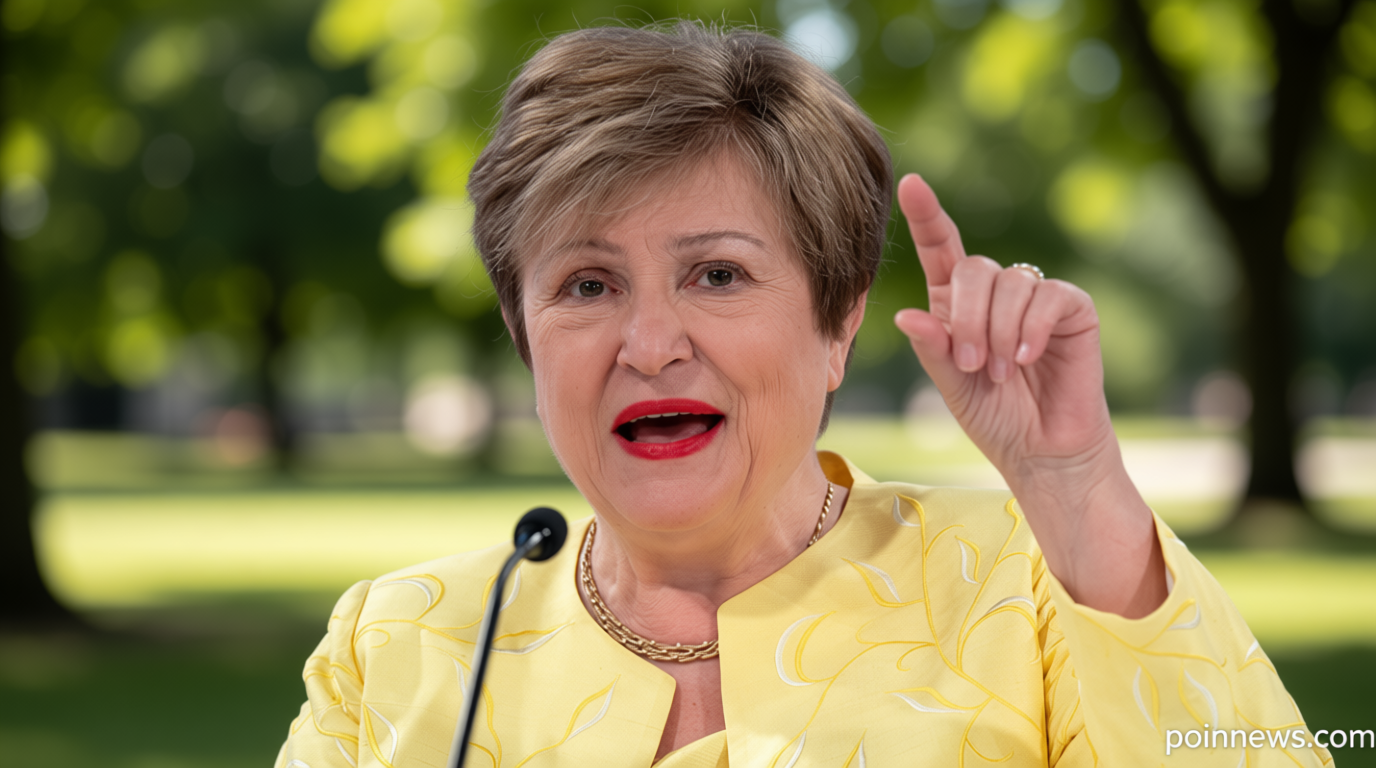
Belarusian opposition leader Sviatlana Tsikhanouskaya has strongly criticized Minsk’s latest move to classify Euronews’ online coverage as “extremist” material. The decision, announced on Friday by the Belarusian information ministry, represents what Tsikhanouskaya calls a “shameful” effort by President Aliaksandr Lukashenka’s administration to isolate Belarusians from independent European journalism. In a statement shared on social media platform X, Tsikhanouskaya emphasized that this designation goes beyond mere media regulation—it actively endangers ordinary citizens who consume the news.
“Lukashenka’s regime has branded Euronews, a leading European news platform, ‘extremist’ for bringing the truth to millions of Belarusians,” Tsikhanouskaya wrote. She continued by noting that the ban “attacks media freedom and turns viewers into targets of repression.” The opposition leader urged Euronews to “stay strong,” adding that “your work matters” to Belarusian audiences who rely on international sources for unbiased reporting. According to Belarus-based media outlets, the Euronews website was officially placed on the “Republican List of Extremist Materials” earlier this week.
Immediate Consequences for Belarusian Viewers
Under Belarusian civil procedure rules, the ruling takes effect immediately. This means that access to the Euronews website will now be restricted within Belarus, while readers could face administrative penalties for storing or distributing its content. The broadcaster has warned that the designation risks criminalizing its audience as well as limiting access to its factual journalism. Tsikhanouskaya highlighted that ordinary citizens who simply read or share Euronews articles could now be considered as participating in extremist activities.
Euronews has maintained a significant presence in Belarus for many years. The latest measure follows Minsk’s removal of the channel from television broadcasts in 2021 and brings Belarus in line with Russia, which blocked both its broadcast and digital services shortly after launching its full-scale invasion of Ukraine. Claus Strunz, Euronews’ editorial director, confirmed that the outlet had not been formally notified of the decision and was awaiting detailed arguments from the authorities.
“A state that brands Euronews as ‘extremist’ and blocks access to independent, impartial journalism reveals its own fear of free reporting,” Strunz said. He added that the outlet would continue to provide “factual, independent journalism” for its audience in Belarus. “We have not been informed of this decision and await the authorities’ justification,” he stated. Our commitment remains unchanged: we stand with our audiences in Belarus and will continue to provide factual, independent journalism guided by our core editorial values,” Euronews’ editorial director concluded.
Belarus authorities have yet to publicly announce the full decision and the arguments that led to this extreme ruling by which Euronews and several other digital media outlets are now labelled “extremist media” in Belarus. The independent Belarusian Association of Journalists suggested that the suspension of Euronews broadcasts was linked to broader attempts to restrict access to external sources of information. Tsikhanouskaya has been vocal in her support for media freedom, consistently advocating for Belarusians’ right to access independent news sources without fear of reprisal.
What This Means for Belarusian Citizens
The implications of this ban extend beyond simple website access. Citizens who continue to visit Euronews online or share its content through messaging apps could potentially face administrative fines or other penalties. The classification as “extremist” material means that the content is now subject to stricter legal scrutiny. Tsikhanouskaya has called on international organizations to monitor the situation and ensure that Belarusian citizens are not unfairly targeted for consuming independent news.
“This attacks media freedom and turns viewers into targets of repression,” Tsikhanouskaya said, urging the broadcaster to “stay strong” and underlining that: “your work matters.”
Frequently Asked Questions
What exactly has been banned in Belarus?
Euronews’ website has been placed on the “Republican List of Extremist Materials,” which means the online platform is now classified as extremist content. This classification restricts access to the website and subjects anyone who stores or distributes its content to potential administrative penalties.
When did this ban take effect?
The ruling is subject to immediate execution under Belarusian civil procedure rules, meaning it took effect as soon as it was announced on Friday. Readers in Belarus may already notice restricted access to the Euronews website.
How does this compare to Russia’s actions?
This move brings Belarus in line with Russia, which blocked both Euronews’ broadcast and digital services shortly after launching its full-scale invasion of Ukraine. Both countries have taken similar steps to limit access to European news sources.
What penalties could Belarusian viewers face?
Readers could face administrative penalties for storing or distributing Euronews content. The “extremist” classification means that simply sharing articles or saving content from the website could potentially lead to fines or other legal consequences.
Has Euronews been notified of the decision?
According to Claus Strunz, Euronews’ editorial director, the outlet had not been formally notified of the decision and was awaiting detailed arguments from the Belarusian authorities explaining the basis for the classification.