Serbs are not ‘little Russians’, says former PM Ana Brnabić
r Serbian Prime Minister Defends Nation's Stance on Ukraine and EU Relations Serbs are not little Russians says - EXPO 2027, set to take place in Serbia, has

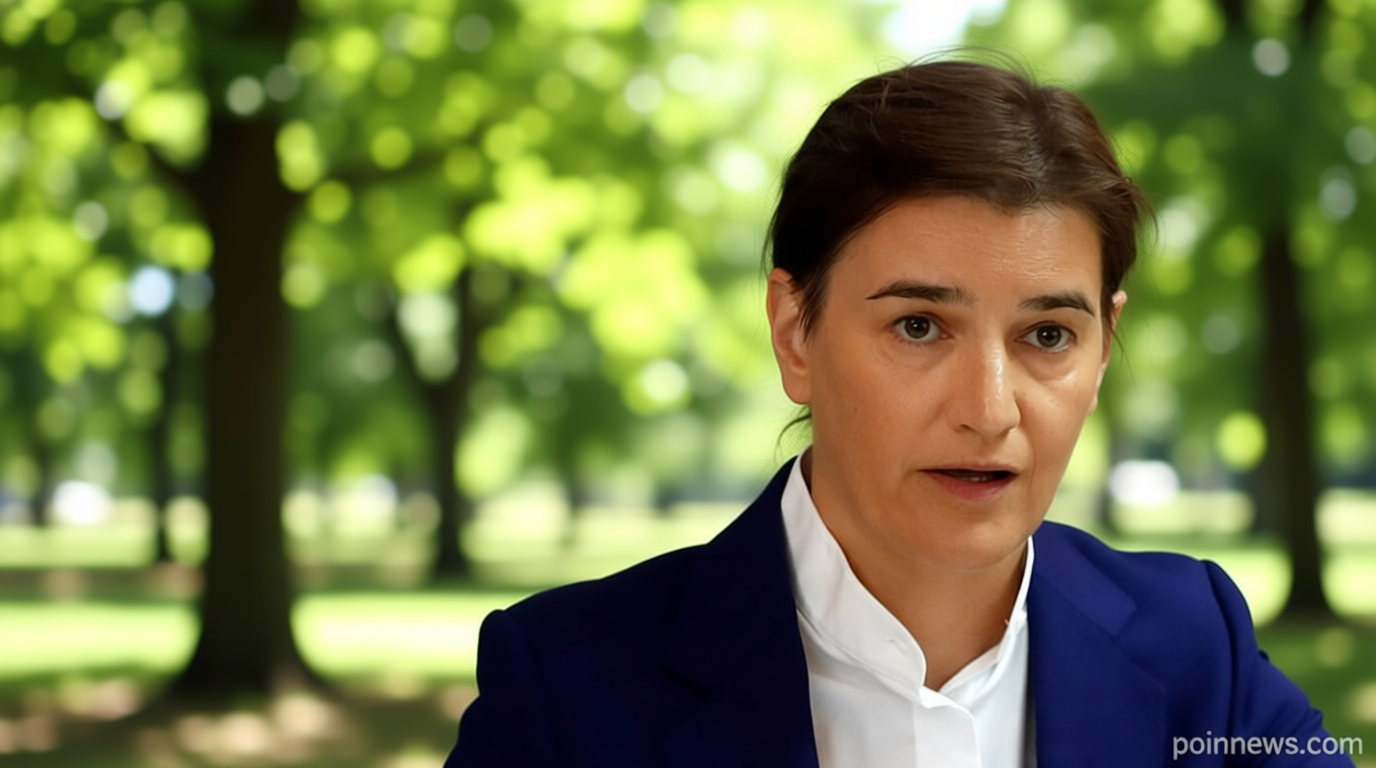
Former Serbian Prime Minister Defends Nation’s Stance on Ukraine and EU Relations
Poinews.com – EXPO 2027, set to take place in Serbia, has attracted over 140 nations as participants. Discussions at a recent Brussels conference centered on Serbia’s readiness for the event, economic initiatives, and progress in its bid to join the European Union. Key figures present included Serbia’s foreign minister, Marko Djurić, deputy prime minister and finance minister Sinisa Mali, along with the speaker of the National Assembly, Ana Brnabić, who previously served as prime minister.
During an Euronews interview, Ana Brnabić was asked about Serbia’s relationship with Ukraine and Russia. She addressed claims that Serbia has not fully supported Ukraine in its conflict with Russia. “Since Russia’s invasion of Ukraine in February 2022, Serbia has contributed more than €60 million in aid, including financial and humanitarian assistance,” Brnabić stated. “This support has been consistent, even when resources were scarce.” She added that Serbia’s power infrastructure allows it to provide Ukraine with electrical equipment and spare parts, which other countries cannot.
“We were the only nation in the Western Balkans to send generators and critical components during the winter, when supplies were limited. This demonstrates a strong, often overlooked bond between Serbia and Ukraine,” she emphasized.
Brnabić also noted the regular communication between Serbian President Aleksandar Vučić and Ukrainian President Volodymyr Zelenskyy. “Their interactions are frequent, and my exchanges with Ruslan Stefanchuk, Ukraine’s parliamentary speaker, are equally consistent,” she said. Despite Serbia’s close ties with Russia, Brnabić rejected the notion that it serves as a “Trojan horse” for Moscow. “Serbia is an independent country with a rich history. While we have longstanding relations with Russia, they are not without challenges,” she argued.
She highlighted how Russia has criticized Serbia for its stance on Ukraine, particularly its votes at the United Nations opposing Russian aggression. “Stereotypes often distort the truth, and people tend to magnify certain facts while ignoring others,” Brnabić explained. “It is essential to communicate our actions clearly, especially when our support for Ukraine is seen as a point of contention.”
EU Accession Challenges and Perceived Inequality
In addition to Ukraine, Brnabić discussed the hurdles in Serbia’s EU accession process. She cited frustration among Serbians over what they perceive as stricter demands placed on their country compared to other candidates. “For instance, Serbia has implemented all ODIHR recommendations for cluster three, which we were prepared for since 2021. Yet, other candidate nations are not required to meet even one recommendation and have already opened their clusters,” she pointed out. This, she said, creates a sense of unfairness.
“A double standard exists that is difficult to explain to our citizens. It undermines the EU’s credibility and makes our efforts to prove progress seem more complex,” Brnabić remarked.
Despite these challenges, Brnabić reiterated Serbia’s commitment to EU membership. “We believe Serbia belongs in the EU and will not stop striving for it. However, we must ensure that our efforts are measured by results, not just plans,” she concluded. The former prime minister stressed the importance of transparency in diplomacy and the need to counteract entrenched misconceptions about Serbia’s geopolitical position.