Row between Elon Musk and German broadcaster ZDF sparks major controversy
Row Between Elon Musk and German Broadcaster ZDF Sparks Major Controversy Row between Elon Musk and German - The row between Elon Musk and German broadcaster

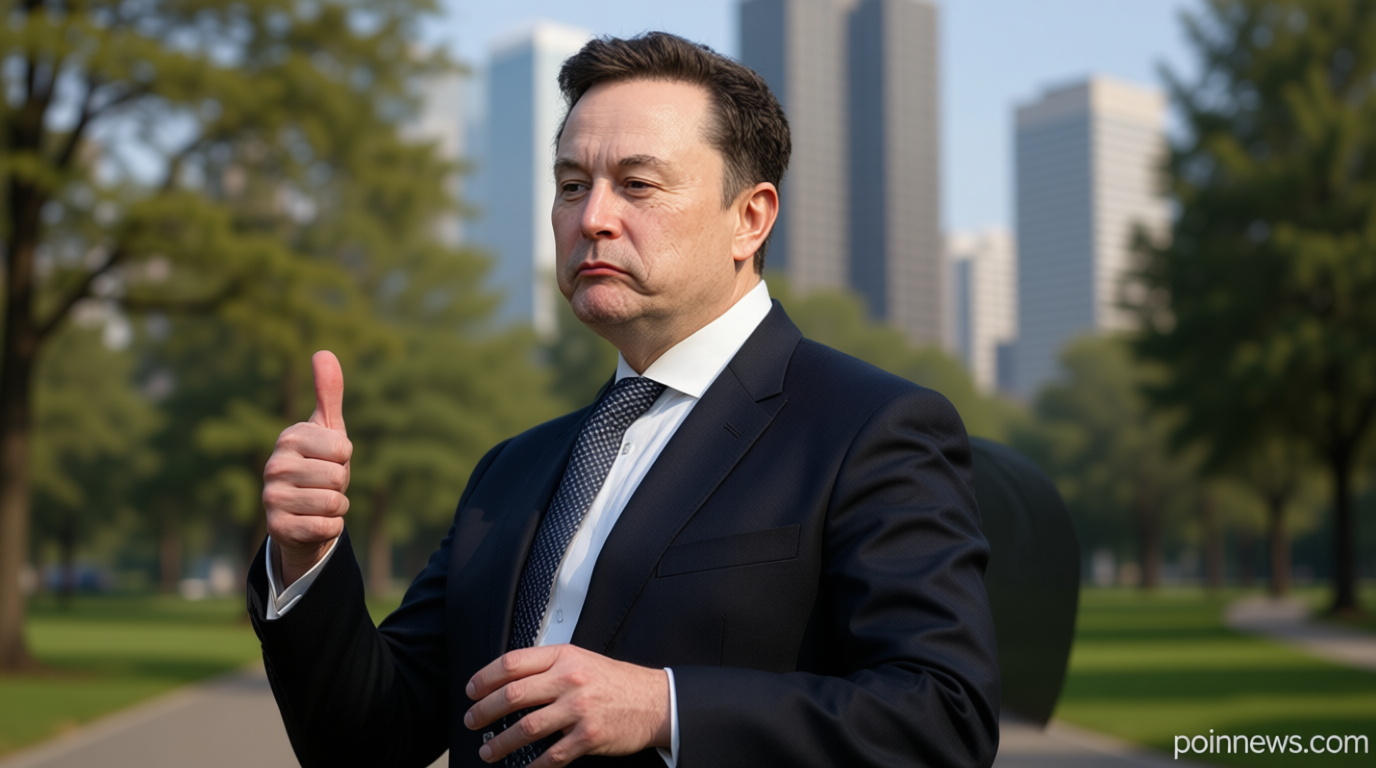
Row Between Elon Musk and German Broadcaster ZDF Sparks Major Controversy
Poinews.com – The row between Elon Musk and German broadcaster ZDF has sparked a major controversy, igniting fierce debate over the role of social media in political discourse and the accuracy of traditional media in interpreting online rhetoric. The dispute began when ZDF, a prominent public broadcaster in Germany, aired a report accusing Musk of inciting anti-immigrant unrest in Belfast through his tweets. This claim, made during a live broadcast of “ZDFheute live” on June 9, led to immediate backlash and raised questions about the intersection of digital influence and media responsibility.
Musk’s Defense and Legal Threats
On June 12, Musk publicly denied the allegations, calling ZDF’s portrayal of his statements a “terrible lie” and vowing to take legal action against the network. The correction segment added to the program acknowledged that the broadcaster’s wording was “imprecise and potentially misleading,” but the damage had already been done. Musk’s assertion that “Only by protesting REPEATEDLY and LOUDLY will there be any change!!” in his social media posts was central to the argument, with ZDF linking it to the riots in Belfast. Critics argued that the phrase, taken out of context, suggested a call for a “migrant hunt,” a claim Musk disputes.
“Only by protesting REPEATEDLY and LOUDLY will there be any change!!”
— Elon Musk
The row between Elon Musk and German media has intensified as ZDF’s report on his social media posts drew immediate backlash. Musk’s denial of the “migrant hunt” accusation, coupled with his threat to sue, highlighted the growing tensions between digital influencers and traditional outlets. While ZDF retracted the original segment, the controversy continued to fuel discussions about the responsibilities of media in accurately representing online content and the influence of AI-driven editing on public perception.
Context of the Belfast Riots and Media Interpretation
To understand the row between Elon Musk and German broadcaster ZDF, it’s essential to examine the context of the Belfast riots. The unrest, which erupted in late May 2026, was triggered by a knife attack that left three people injured. British far-right figures, including Tommy Robinson, used social media to call for demonstrations against immigration, and Musk shared a post from Robinson, amplifying the message to his global audience. ZDF’s report linked Musk’s retweets to the escalation of the riots, suggesting his comments played a role in inciting the protests. This interpretation, however, has been challenged by experts who argue that the connection between Musk’s tweets and the violence is not as direct as ZDF claims.
“Lerchenberg is a fortress of lies. ZDF simply invents the claim that Elon Musk ‘called for a hunt for migrants.’ In fact, Musk wrote on X: ‘Only by protesting REPEATEDLY and LOUDLY will there be any change!!’ How much longer are we going to accept that this state forces us to pay for the propaganda lies it tells us? And how can it be that at ZDF heute there is constant lying, deception, and manipulation with words and AI, without any personal consequences?”
— Julian Reichelt
The row between Elon Musk and German broadcaster ZDF also drew attention to the broader issue of how media outlets shape narratives around digital content. Critics pointed out that ZDF’s use of AI in editing and contextualizing Musk’s statements could lead to misinterpretations, especially when amplifying messages from fringe groups. This debate has sparked discussions about the balance between free speech and media accountability, with some arguing that ZDF’s coverage inadvertently gave credibility to anti-immigrant rhetoric.
Political Ramifications and Far-Right Alignment
Political analysts noted that the row between Elon Musk and German media has significant implications for the far-right movement in Europe. The Alternative for Germany (AfD), a far-right party known for its anti-immigrant stance, publicly supported Musk’s defense, with co-leader Alice Weidel declaring on X that “defamation shouldn’t go without consequences.” This alignment underscores the growing influence of digital figures like Musk on European far-right narratives, as well as the potential for media outlets to become battlegrounds in ideological disputes.
“Defamation shouldn’t go without consequences. Don’t let them get away with it.”
— Alice Weidel
Furthermore, the controversy has highlighted tensions over the role of public broadcasting in Germany. ZDF, which receives funding from licence fees paid by German citizens, faces criticism for its perceived bias in reporting on Musk’s statements. The row between Elon Musk and German broadcaster ZDF has sparked a broader conversation about whether such funding models create a dependency on political narratives, potentially affecting the impartiality of media coverage.
Public Reaction and Media Trust
Public reaction to the row between Elon Musk and German broadcaster ZDF has been mixed. While some viewers praised ZDF for holding Musk accountable, others argued that the network overstepped by using dramatic language to describe his tweets. Social media platforms became a focal point of the debate, with users questioning how much influence Musk has over public opinion and whether ZDF’s interpretation of his statements reflects a broader trend of media sensationalism. The incident has also reignited discussions about the need for transparency in how digital content is analyzed and reported by traditional outlets.
“The row between Elon Musk and German media is a prime example of how digital influence can challenge the authority of traditional narratives. We must ensure that such claims are backed by evidence, not just by the power of a single tweet.”
— Digital Media Analyst, Klaus Wagner
As the row between Elon Musk and German broadcaster ZDF continues to unfold, it serves as a case study in the evolving relationship between digital platforms and traditional media. The dispute has underscored the importance of context in interpreting online statements and the potential consequences of how media outlets frame such content. With the debate now stretching beyond the immediate incident, it raises critical questions about the future of media responsibility in an era dominated by social media influence.