NASA sends robot into orbit to stop telescope crashing to Earth
atellite from Earth Reentry NASA sends robot into orbit to stop - NASA has taken a groundbreaking step by sending a robot into orbit to avert the imminent

NASA Deploys Robotic System to Rescue Satellite from Earth Reentry
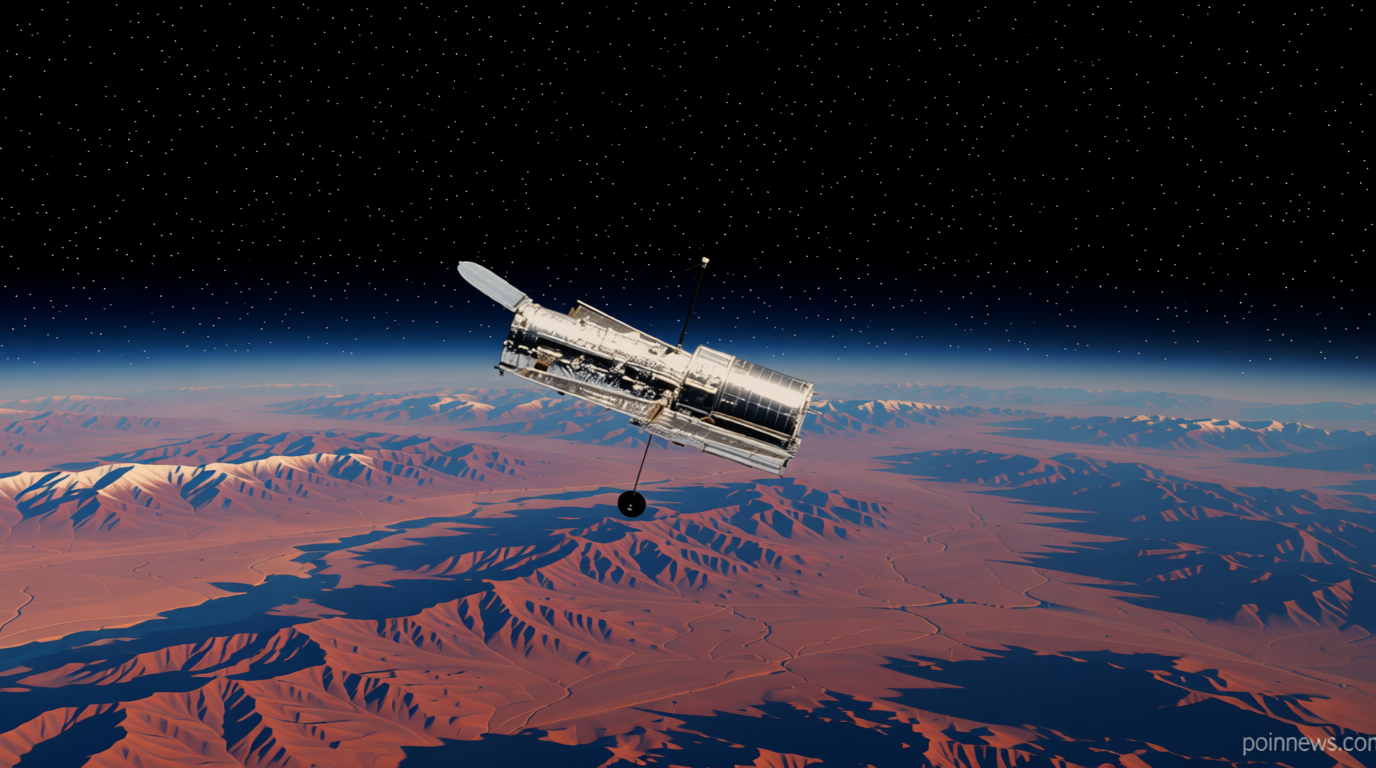
Poinews.com – NASA has taken a groundbreaking step by sending a robot into orbit to avert the imminent reentry of the Neil Gehrels Swift Observatory. This innovative mission, launched on Friday, aims to prevent the aging satellite from crashing into Earth’s atmosphere, a scenario that would result in its destruction. The robotic system, named Link, is a three-armed spacecraft designed to intercept the observatory and adjust its trajectory, ensuring it remains operational for an extended period. The initiative, which has already begun, is a critical effort to preserve the satellite’s valuable data and extend its scientific contributions. By deploying this advanced technology, NASA demonstrates its commitment to maintaining orbital infrastructure and mitigating the risks posed by space debris and atmospheric changes.
The Science Behind the Rescue Operation
The decision to send a robot into orbit was driven by recent solar activity, which has caused the Earth’s outer atmosphere to expand. This expansion increases drag on satellites like Swift, leading to accelerated altitude loss and a higher likelihood of reentry. The mission’s timing is crucial, as the observatory, which has been orbiting Earth since 2004, was projected to descend to a point where it could no longer be salvaged. NASA’s collaboration with Katalyst Space Technologies, an aerospace startup, underscores the urgency of the situation. The $30 million (€27 million) investment highlights the agency’s dedication to innovative solutions for space debris management and satellite longevity.
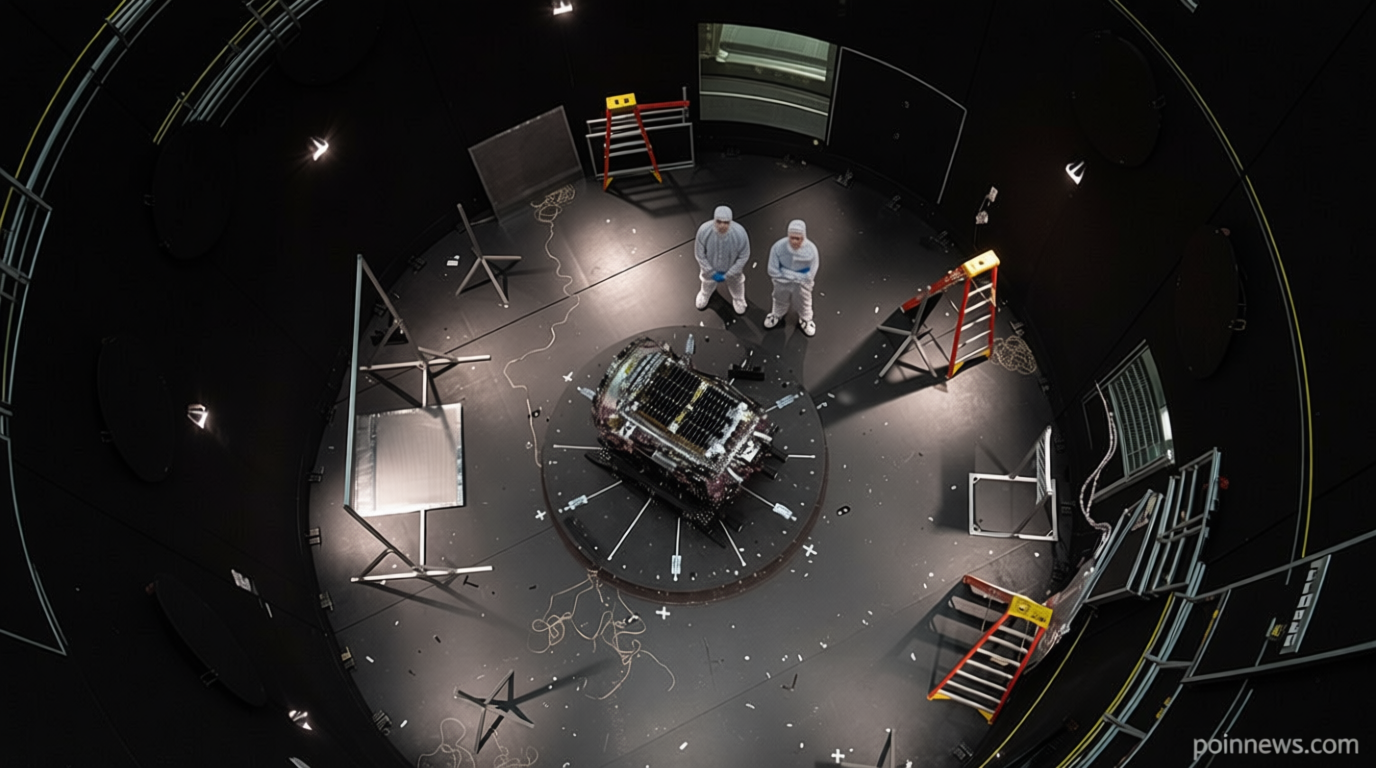
Link’s design is a testament to cutting-edge engineering. Equipped with three modular arms, the robot can maneuver with precision to dock with the Swift Observatory. Its primary function is to gradually fire thrusters, pushing the satellite upward by 240 kilometers to restore it to a safe orbital altitude of 360 kilometers. This process requires careful calibration to avoid overcorrection or collision risks. The robot’s ability to operate in the harsh conditions of space, while navigating the complexities of orbital mechanics, represents a significant leap in space rescue technology. Its success could pave the way for future missions to extend the lifespan of other satellites facing similar threats.
The Strategic Importance of the Mission
The Swift Observatory has played a vital role in astrophysical research, particularly in the study of gamma-ray bursts and supernovae. Its data has contributed to major scientific discoveries, making its preservation a priority for NASA and the broader scientific community. By sending Link into orbit, the agency not only safeguards this asset but also sets a precedent for proactive satellite maintenance. The mission’s strategic value extends beyond saving a single telescope; it demonstrates the feasibility of using robotic systems to address the growing issue of space debris. As more satellites are launched, the risk of collisions and reentries increases, and this initiative offers a scalable solution to mitigate those dangers.
The launch of Link marked the final flight of the Northrop Grumman Pegasus XL rocket, a milestone in the mission’s timeline. The rocket was released from a modified aircraft above the Pacific Ocean, then ignited to propel the robot into orbit. This method of deployment, which relies on air-launch systems, allows for greater flexibility in mission planning. Once in orbit, Link will begin its delicate task of altering Swift’s trajectory, a process that will take approximately a month to complete. The success of this maneuver depends on precise calculations and real-time adjustments, reflecting the complexity of space operations and the importance of collaboration between agencies and private companies.
If the mission is successful, Swift could resume its critical role in observing cosmic phenomena by September. This would not only save millions of dollars in potential loss but also ensure continued scientific progress. The pause in Swift’s operations has allowed NASA to focus on the rescue mission, with engineers monitoring its descent closely. The potential consequences of failure are severe, as the satellite’s reentry would result in its destruction and the loss of invaluable data. This underscores the high-stakes nature of the operation, where every second counts in the race to prevent an otherwise inevitable fate. The mission’s success would mark a turning point in space rescue efforts, offering a model for future interventions.
“This is a high-risk, high-reward endeavor,” said Ghonhee Lee, CEO of Katalyst Space Technologies.
“The biggest danger was always we don’t launch anything and we let Swift burn up in the atmosphere. So we were always trying to avoid that risk, and our team has done that.”
Lee’s statement highlights the mission’s dual focus on innovation and risk management. The robot’s deployment is a strategic move to ensure the observatory’s survival, showcasing the adaptability of modern space technology. By addressing the challenges of satellite reentry, NASA and Katalyst are setting a new standard for orbital maintenance. The mission also serves as a reminder of the delicate balance between scientific exploration and the environmental challenges of space. As the Swift Observatory’s future hangs in the balance, this robotic intervention offers hope for a new era of space preservation.