Self-driving cars to be tested on Portuguese roads from July
Portugal Set to Begin Autonomous Vehicle Trials in July Self driving cars to be tested - Beginning in July, Portugal will allow vehicles with self-driving

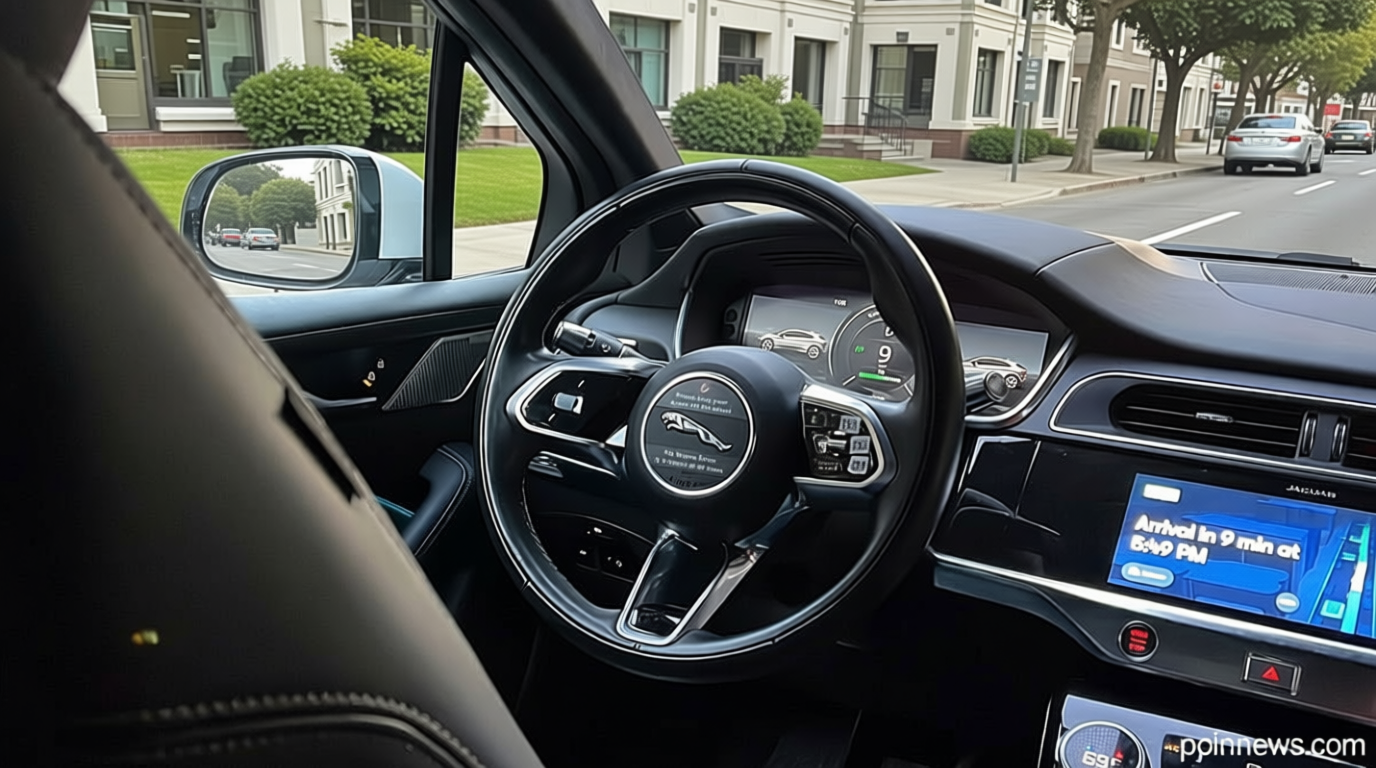
Portugal Set to Begin Autonomous Vehicle Trials in July
Poinews.com – Beginning in July, Portugal will allow vehicles with self-driving systems to test on public roads, following the approval of a decree-law by the Council of Ministers in late April. The law was published in the Official Gazette last Monday and will take effect next month. This initiative marks a significant step in integrating autonomous technology into everyday transportation.
Legislative Goals for Autonomous Mobility
According to the legislation, autonomous driving is expected to “help democratise mobility by promoting the inclusion of citizens who are unable to drive because of physical or other constraints,” as stated by the government. Additionally, it aims to “enable new and different solutions for individual and collective mobility, helping to optimise the vehicle fleet and reduce the inefficiencies inherent in the current mobility model based on privately owned, individually used vehicles,” the government asserts.
Autonomous driving will “help democratise mobility by promoting the inclusion of citizens who are unable to drive because of physical or other constraints,” the government claims. It also seeks to “enable new and different solutions for individual and collective mobility, helping to optimise the vehicle fleet and reduce the inefficiencies inherent in the current mobility model based on privately owned, individually used vehicles.”
Testing Framework and Requirements
The decree establishes the legal basis for testing autonomous technology on public roads, requiring participants to secure a license and meet technical, operational, and safety criteria. Trials will be carried out by research institutions, academic bodies, and companies in the automotive, infrastructure, and transportation sectors.
Organisations must submit a risk mitigation plan and demonstrate cybersecurity measures to block unauthorized access to vehicle systems. Testing must be notified in advance, with final reports detailing any accidents, serious incidents, or incidents during the process.
Driver and Operator Standards
Both the driver and operator of highly automated or fully autonomous systems must hold a valid license for at least six years and have no traffic violations in the past five years. During tests, speed limits will be reduced by 20 km/h, and alcohol limits will align with those for professional drivers. Operators must also take breaks of at least one hour after three consecutive hours of duty.
Vehicle Specifications for Trials
Test vehicles will be equipped with systems to record detailed data, including automated system characteristics, dynamic control identification, and metrics like speed, steering, and braking performance. They must also log remote commands and communications with other vehicles, road infrastructure, and digital networks.
Furthermore, the minimum insurance coverage will be four times the usual level, ensuring compensation for bodily injury or material damage caused to third parties by autonomous vehicles. Licences issued abroad will be valid in Portugal, provided the holder submits a recognition application to the Institute for Mobility and Transport (IMT) board chair.