Could Scotland’s Caledonian Sleeper train soon be on track for Europe?
Plans to extend Scotland's Caledonian Sleeper service beyond British shores are progressing significantly. A dedicated working group has been formed to

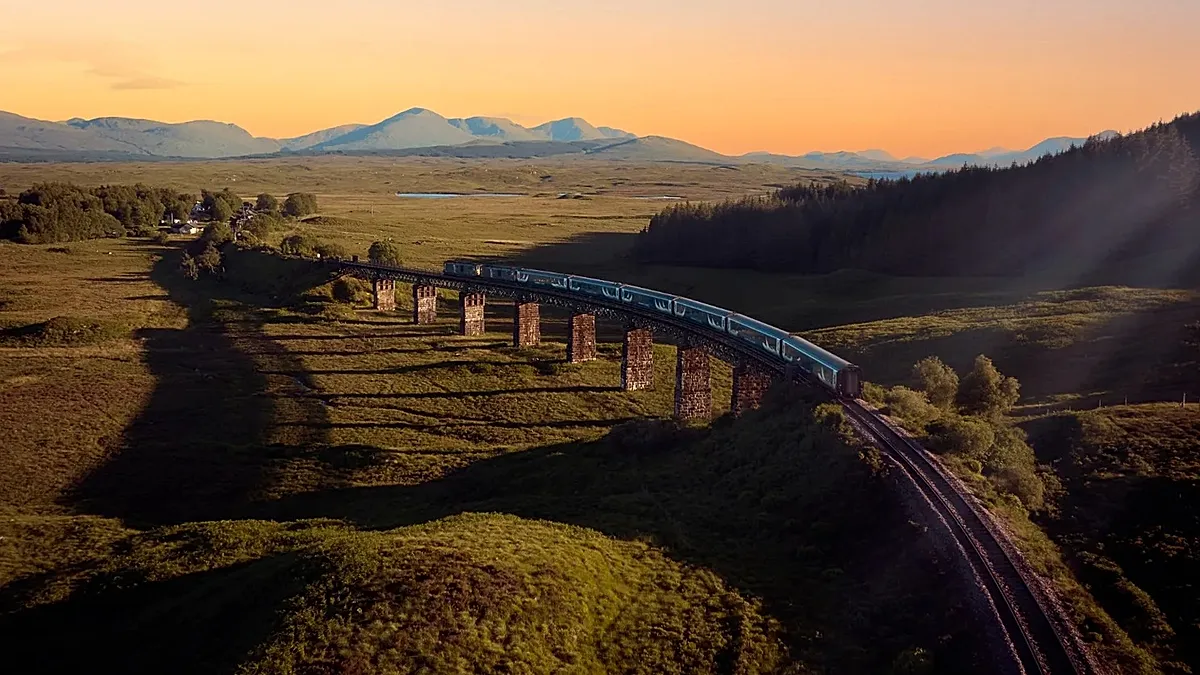
Table of Contents
Scotland’s Caledonian Sleeper Eyes European Expansion
Poinews.com – Plans to extend Scotland’s Caledonian Sleeper service beyond British shores are progressing significantly. A dedicated working group has been formed to evaluate whether a direct rail connection to mainland Europe is achievable. According to an official statement released on 4 August, key stakeholders including Transport Scotland, Scottish Rail Holdings, and Caledonian Sleeper representatives are leading this initiative. Their primary objective is to examine both the technical requirements and commercial potential of bringing this beloved sleeper service to European destinations, while also identifying any obstacles that might arise during implementation.
Stephen Flynn, who serves as Scotland’s Cabinet Secretary for Economy, Tourism and Transport, expressed strong support for the project. He emphasized that establishing this working group represents a crucial milestone in fulfilling the government’s commitment to European rail connectivity. Flynn noted that this preliminary phase will concentrate on comprehensively understanding the practical, technical, and commercial dimensions of the proposal. The resulting research will create a solid foundation for any subsequent decisions regarding the service’s potential expansion.
Understanding the Current Caledonian Sleeper Service
Currently operating between London Euston and multiple Scottish destinations, the Caledonian Sleeper stands as one of only two sleeper train services available throughout the United Kingdom. The alternative option is the Night Riviera, which connects London Paddington with Penzance in Cornwall. The Caledonian Sleeper maintains five distinct routes, running northbound and southbound six nights each week. Passengers traveling to Scotland can choose between two different pathways: the lowland route terminating at Glasgow Central and Edinburgh Waverley, or the scenic highland route serving Fort William, Inverness, and Aberdeen.
Journey durations vary considerably depending on the final destination. Travelers heading to Glasgow Central can expect approximately 7 hours and 45 minutes of travel time, while reaching Aberdeen requires around 10 hours and 35 minutes. The most distant destination, Fort William, is accessible within 12 hours and 45 minutes. The service utilizes a fleet of 40 sleeper coaches, each containing six club ensuite rooms featuring twin bunk beds, private bathrooms, and showers. Breakfast is included in every fare, and four additional classic rooms with twin bunk beds are available for passengers seeking alternative accommodation options.
Pricing begins at £270 (€314.95) for a Club Solo room and £210 (€244.98) for a Classic Solo option. The fleet also incorporates 11 Club Cars providing seating capacity for up to 30 diners. These dining coaches feature a galley kitchen and seven booths, with designated areas accommodating wheelchair users. Before passengers board their trains, they can relax at Caledonian Sleeper Guest Lounges located at London Euston, Fort William, and Inverness stations. These facilities allow travelers to refresh themselves with showers and enjoy light refreshments before departure or after arriving at their destination.
The service welcomes not only human passengers but also pets. Up to two animals per guest are permitted onboard, with a cleaning fee of £30 (€34.99) charged per room for each journey. While cats and dogs are the most common companions, arrangements can also be made for other types of animals.
What Passengers Should Know About European Expansion
As the working group progresses with its feasibility study, passengers and industry observers alike are watching closely. The Caledonian Sleeper has built a reputation for comfort and reliability over many years, making any potential European extension particularly exciting for rail enthusiasts. Should the study confirm that extending the service is both technically feasible and commercially viable, passengers could soon enjoy overnight journeys from Scotland to various European cities without needing to change trains or use alternative transportation methods.
The expansion would represent more than just a new route; it would symbolize Scotland’s growing connection to continental Europe through sustainable rail travel. With increasing emphasis on reducing carbon emissions from transportation, a direct sleeper service could offer an attractive alternative to flying for many travelers.
Frequently Asked Questions
When will the Caledonian Sleeper reach Europe?
The working group is currently conducting its feasibility study, but no specific timeline has been announced yet. Passengers should expect updates as the research progresses through its various stages.
How much does it cost to travel on the Caledonian Sleeper?
Fares start from £270 (€314.95) for a Club Solo room and £210 (€244.98) for a Classic Solo room. Additional fees may apply for pets and other services.
Can I bring my pet on the Caledonian Sleeper?
Yes, the service is pet-friendly. Up to two pets per guest are allowed, with a £30 (€34.99) cleaning fee charged per room for each journey. While cats and dogs are most common, other animals may also be accommodated.
What destinations does the Caledonian Sleeper currently serve?
The service operates five routes connecting London Euston with Glasgow Central, Edinburgh Waverley, Fort William, Inverness, and Aberdeen. Passengers can choose between the lowland and highland routes depending on their final destination.