Fortaleza and Recife: Brazil looks to Europe
brace European Ties Fortaleza and Recife - Two Brazilian cities on the mainland, strategically positioned near Europe, are leveraging their unique location to

Fortaleza and Recife: Brazil’s Coastal Cities Embrace European Ties
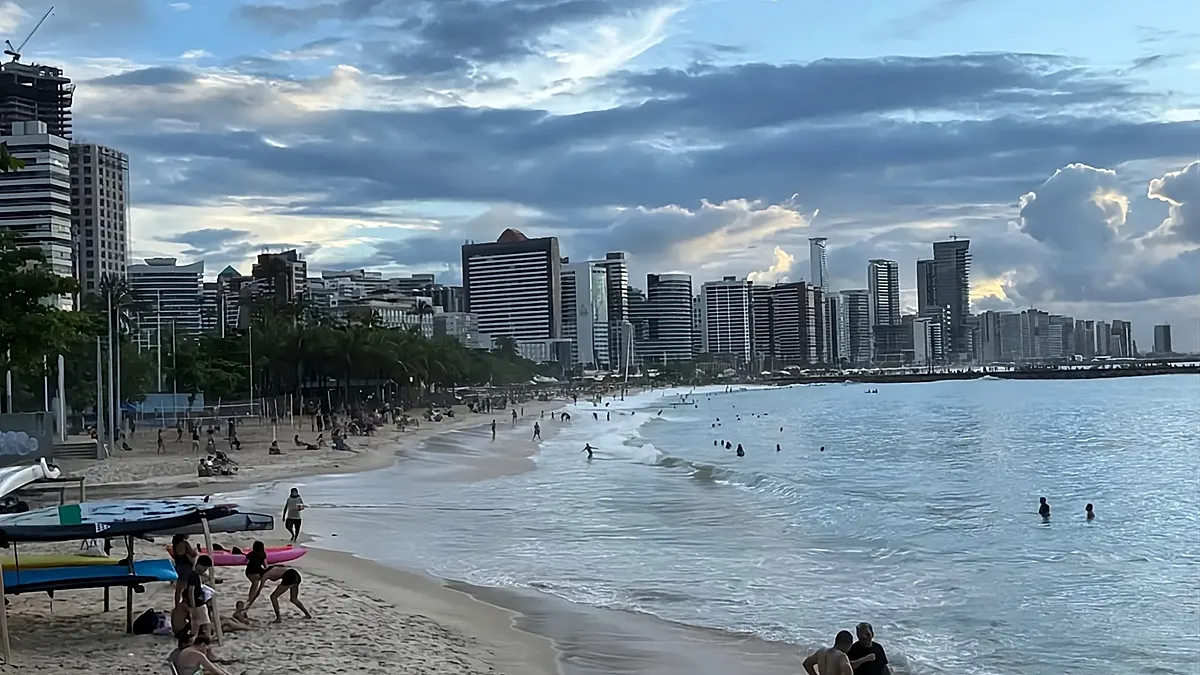
Poinews.com – Two Brazilian cities on the mainland, strategically positioned near Europe, are leveraging their unique location to welcome a surge in international tourists. Direct flights from capitals like Madrid, Lisbon, and Paris connect these destinations, making them accessible within less than eight hours. Fortaleza, for instance, offers a skyline that blends Miami’s urban energy with the charm of Benidorm, set against the backdrop of a sprawling coastal promenade.
The city’s modern architecture, featuring towering structures along the seafront, coexists with its tropical allure. This combination creates an inviting atmosphere for outdoor activities, drawing visitors to its beaches and vibrant culture. Fortaleza, home to over 2.57 million residents, is one of Brazil’s most populous urban centers and the capital of Ceará, a state with a population exceeding nine million.
Fortaleza’s history is steeped in colonial rivalry, particularly between the Portuguese and Dutch. In the 17th century, the Dutch constructed Fort Schoonenborch, which became the foundation of the modern city. After the Portuguese reclaimed it in 1655, the fort was renamed Fortaleza de Nossa Senhora da Assunção, symbolizing its transition from a military stronghold to a cultural hub.
“This is a city that never stops moving. By three in the morning, the streets are already alive with activity, whether it’s sports or simply the rhythm of daily life,” says Castalha, a local tour guide.
The 300th anniversary of Fortaleza’s founding is a testament to its enduring appeal. Visitors can witness the city’s energy firsthand the next morning, as dozens of runners gather on the Beira Mar promenade to traverse six kilometers of coastline. The stretch connects three distinct beaches: Iracema, known for its iconic Bridge of the English; Meireles, celebrated for its evening crafts market; and Mucuripe, a hotspot for near-artisanal fishing.
For those seeking a blend of water and adventure, canoeing in the Atlantic’s gentle waters provides a scenic alternative. A visit to the Mercado dos Peixes further highlights the region’s culinary roots, where fresh catches from the nearby jangadas—light sailing boats used by fishermen—feature prominently in Ceará’s traditional dishes.
Recife: A Different Coastal Experience
Just over an hour’s flight from Fortaleza, Recife presents a contrasting yet equally captivating scene. As the capital of Pernambuco, this city with 1.5 million inhabitants is another major metropolis in northeastern Brazil, offering a distinct blend of history, culture, and modernity.
Recife’s charm lies in its rich historical tapestry, with colonial-era architecture and a lively cultural scene. The city’s vibe is equally dynamic at night, where forró—a traditional dance of the region—takes center stage. Couples move in close, quick steps to the music, a spectacle that even seasoned observers find hard to match in timing.
While Fortaleza emphasizes its coastal allure, Recife’s appeal lies in its unique urban landscapes and community-driven tourism. The Canto Verde beach, located in Beberibe, stands out as a prime example of this. This small, authentic stretch of shoreline is home to around 200 artisanal fishermen, who invite visitors to experience their traditional ways of life.
“We rely on fishing for our livelihood, and we’re committed to showcasing community-based tourism that honors our heritage,” shares Roberto, a local fisherman.
Protecting this area from large-scale development, the residents of Canto Verde have worked to preserve their way of life. Daniele Rocha of Embratur, Brazil’s International Tourism Promotion Agency, notes, “This form of tourism ensures local traditions thrive, rather than being overshadowed by commercial interests.”
Both cities reflect Brazil’s growing focus on cultural and sustainable travel. Their proximity to Europe, combined with their distinct identities, makes them prime examples of how geography can shape global appeal. Whether exploring the historical forts of Fortaleza or dancing forró under the stars in Recife, visitors are treated to a journey that celebrates Brazil’s diverse heritage and natural beauty.