Music bans and fines for peeing: Europe’s surprising beach rules travellers should know this summer
nes for Summer Travelers Music bans and fines for peeing - This summer, travelers across Europe will need to adapt to a set of unexpected beach regulations

Europe’s Surprising Beach Rules: Music Bans and Peeing Fines for Summer Travelers
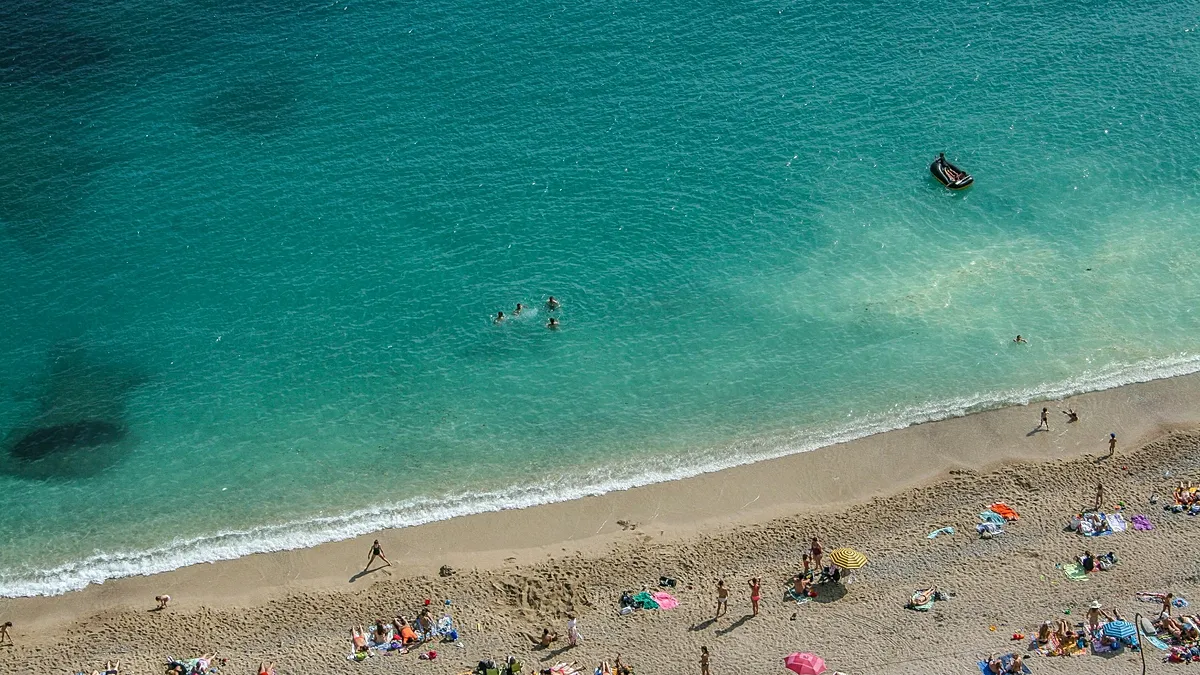
Poinews.com – This summer, travelers across Europe will need to adapt to a set of unexpected beach regulations that include music bans and fines for peeing. As coastal areas grapple with overcrowding and environmental concerns, authorities have introduced strict rules to maintain order and protect natural spaces. From limited umbrellas to penalties for loud music and bare-chested exposure, these measures aim to ensure a more harmonious experience for all visitors. Understanding these rules can help prevent surprises during your next seaside getaway.
Beach Equipment and Personal Hygiene Rules
Many European beaches have implemented rules to control the use of personal items. In Sardinia, the Punta Molentis beach in Villasimius restricts umbrellas, tents, and gazebos, allowing one per family or group. This adjustment helps manage overcrowding while preserving the natural landscape. Similarly, in Portugal’s Albufeira, swimwear is only permitted in designated areas, with fines up to €1,500 for violating the rule. These regulations are part of broader efforts to reduce waste and maintain cleanliness, especially during peak seasons.
“Only those over 65 or with children under 10 were allowed to use one,” the local mayor stated when the rule was first introduced.
Public Behavior and Noise Control Measures
Swimwear restrictions are just one aspect of Europe’s beach etiquette rules. In Sorrento, Italy, walking around town in bikinis or trunks can result in a €500 fine, reflecting a push for modesty in public spaces. Spain’s coastal cities like Barcelona and Majorca also penalize topless behavior in restaurants and shops, with fines of up to €300. Meanwhile, Portugal’s National Maritime Authority (AMN) has targeted loud music, imposing fines of €200 to €4,000 for using portable speakers in designated zones. These rules not only address noise pollution but also help preserve the tranquility of beach areas.
Environmental and Hygiene Enforcement
Some of the most striking rules are tied to hygiene and environmental protection. In Vigo, Spain, a €750 fine is imposed for urinating on the beach or in the sea, a measure introduced in 2022 to combat water contamination. Marbella followed in 2024, banning underwater urination at 25 beaches within Malaga municipality. These fines are part of a growing trend to incentivize proper sanitation practices, especially in areas where water quality is a key concern for tourists and locals alike.
“Portable speakers causing noise complaints may be confiscated on the spot,” the AMN clarified, emphasizing the need for quiet zones.
Animal Regulations and Seasonal Restrictions
Coastal regions in Italy, Spain, France, and Croatia often prohibit pets during peak season. Dogs are typically banned on Blue Flag beaches or restricted to specific hours, while horses are limited in certain zones. In Granville, Normandy, France, elephants were once prohibited after a circus left droppings in the water. These rules vary by location but generally aim to prevent disruptions to wildlife and public spaces. Some areas also impose seasonal restrictions, such as closing beaches to non-residents during high tourist periods to manage foot traffic and reduce strain on local infrastructure.
Traveler Compliance and Cultural Considerations
Complying with these rules requires awareness of local customs and regulations. While some measures are universal, others are tailored to specific regions. For instance, in Nice, France, fines for topless exposure range from €35 to €38, depending on the area. In contrast, Croatia’s “disturbances to public order” law fines up to €150 for walking bare-chested. Travelers should research local guidelines before arriving, as these rules can vary significantly. Understanding the cultural context behind them also helps avoid unintentional offenses, ensuring a smoother and more respectful seaside experience.
Music bans and fines for peeing are just the tip of the iceberg when it comes to Europe’s evolving beach policies. As destinations seek to balance tourism with sustainability, these rules are likely to become more common. By staying informed and adapting to local norms, visitors can enjoy Europe’s beautiful coastlines without facing unexpected penalties. Whether it’s a fine for using an umbrella in a crowded spot or a penalty for playing music too loudly, the summer of 2026 promises to be a test of beach etiquette for all travelers.