World Cup drives tourism: Norway benefits from Haaland and viral Viking trend
```html

Poinews.com – “`html
World Cup Drives Tourism: Norway’s Haaland and Viking Trend
The World Cup drives tourism in Norway like never before, as global audiences discover the Scandinavian nation through multiple channels. Internet users worldwide are discovering Norway in unprecedented numbers, with search interest surging dramatically. The English term “Norway” appears on Google three times more frequently this year compared to previous periods. Meanwhile, Polish visitors show particular enthusiasm, with the Polish keyword “Norwegia” experiencing a remarkable 200 percent annual growth in search volume. This surge demonstrates how sporting events can catalyze broader tourism trends beyond traditional destinations.
Flight and Accommodation Demand Surges
Tourism market analytics reveal compelling patterns that confirm the World Cup drives tourism momentum. According to Kiwi.com research, daily flight search activity from Poland heading toward Norway climbed 32.3 percent during the July 1-20 window relative to the prior year. Accommodation interest follows a similar trajectory. Airbnb documented a 15 percent uptick in Norway-related lodging inquiries spanning June 11 through July 12, compared to identical dates the previous year. These figures illustrate how digital visibility translates directly into booking behavior.
Haaland’s Social Media Dominance
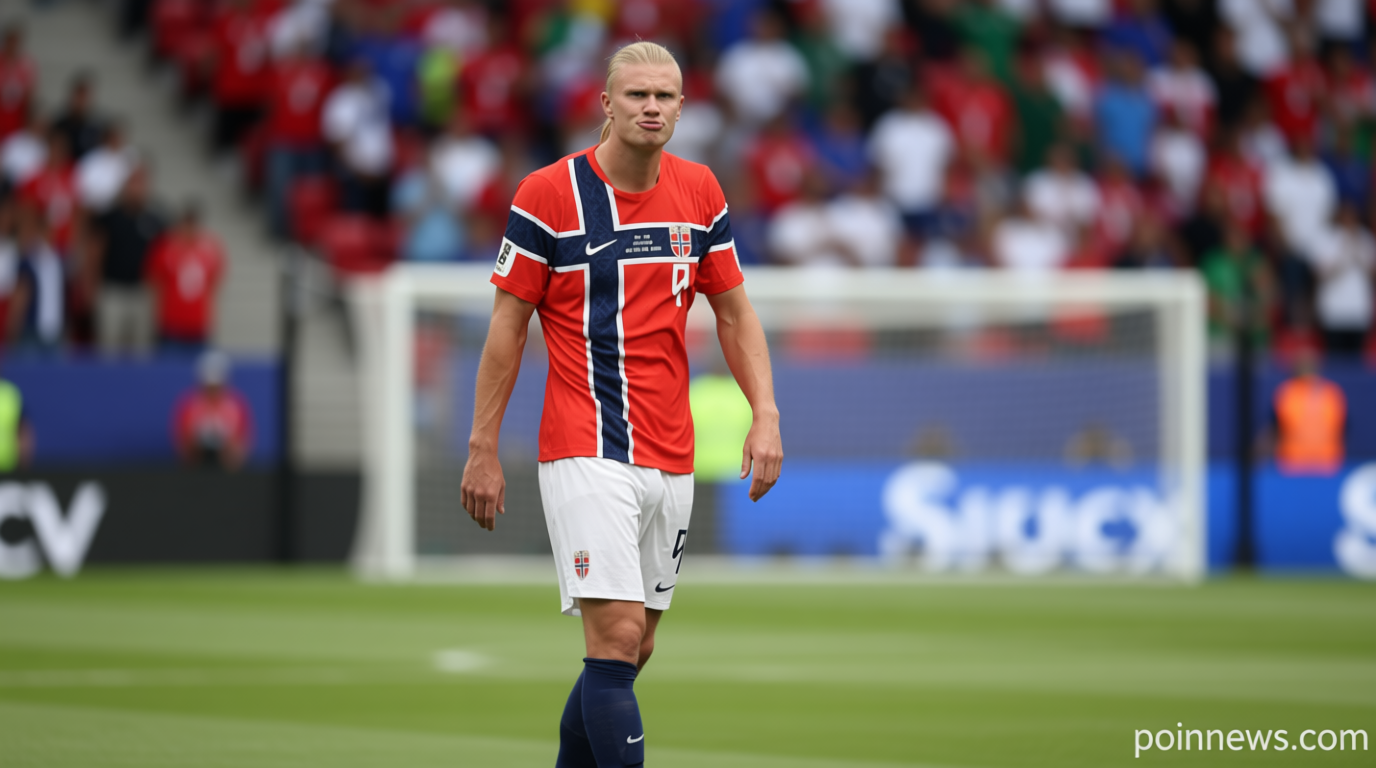
Norway’s international profile owes much to its national football squad and Erling Haaland, its premier athlete. The Institute of Media Monitoring calculated that the striker accumulated 31.9 million new Instagram followers throughout the World Cup—outpacing every other tournament participant. Currently ranking fourth globally among active footballers on social platforms, Haaland trails only Cristiano Ronaldo, Lionel Messi, and Kylian Mbappé. His Instagram engagement during the competition placed him third overall.
Industry observers emphasize that his communication strategy proved crucial. Rather than polished promotional material, Haaland shared candid behind-the-scenes footage from team camps, captured routine moments, and maintained an approachable, humorous persona. This authenticity resonated with fans and contributed significantly to how the World Cup drives tourism interest in Norway.
An increase of almost 32 million followers in such a short time is above all the result of the Norwegian’s sense of humour and authenticity. Internet users reward organic virality, behind-the-scenes access and people who keep a healthy distance from themselves. These elements mean that short videos spread rapidly online, generating spectacular reach,
— Tomasz Lubieniecki, head of the Media Reports Department at the Institute of Media Monitoring
The Viking Wave Goes Global
Another catalyst for Norwegian visibility emerged from enthusiastic supporters. Thousands of fans performing synchronized rowing motions while seated in stadium stands created an instantly recognizable spectacle. Social media platforms amplified videos of crowds mimicking rowing gestures, with players themselves participating in the celebration. This phenomenon extended beyond venues into urban environments and public transit systems, creating a viral moment that reinforced the World Cup drives tourism narrative.
Complementing this movement, Norway maintained consistent visual branding throughout the tournament. Shirt numbers designed as Nordic runes, prominent red hues, and recurring Viking imagery constructed a cohesive identity that resonated with both the team and Haaland’s personal brand. This visual consistency helped visitors associate Norway with adventure and heritage, encouraging longer stays and repeat visits.
From Digital Buzz to Economic Impact
Online enthusiasm has translated into measurable interest beyond social platforms. Wikipedia experienced its highest visitor volume on July 11, coinciding with Norway’s quarter-final match against England. Analysts note that search engine and Wikipedia traffic spikes correlate directly with commercial activity. Hotels, tour operators, and airlines all reported increased inquiries during this period.
We can see a clear link here between the sporting event and consumers’ purchasing and travel decisions. The key point is that the spikes in search engines and on Wikipedia were reflected in Airbnb’s business data and in analyses of the Polish tourism market. This shows how online virality can build reach that has real value for the image and economy of an entire country,
— Tomasz Lubieniecki
Norway’s experience demonstrates that contemporary sporting competitions generate far more than athletic outcomes. When fan emotions, digital platforms, and genuine personalities align effectively, they create powerful mechanisms for national branding, increased recognition, and tourism growth. The World Cup drives tourism not just during the event itself, but for months afterward as travelers plan future visits inspired by what they witnessed online.
As the tournament concludes, Norway stands to benefit from sustained interest. Travel agencies are already incorporating Viking-themed packages into their offerings, while Haaland’s social media presence continues to attract new followers daily. This convergence of sports, culture, and digital marketing proves that the World Cup drives tourism through multiple interconnected channels, creating lasting economic benefits for host nations.
“`