Breaking news. Cargo ship hit by projectile in Hormuz as Iran issues renewed passage warning
Cargo Ship Hit by Projectile in Hormuz as Iran Issues Passage Warning news Cargo ship hit by projectile - On Thursday, a cargo ship was struck by a projectile

Cargo Ship Hit by Projectile in Hormuz as Iran Issues Passage Warning
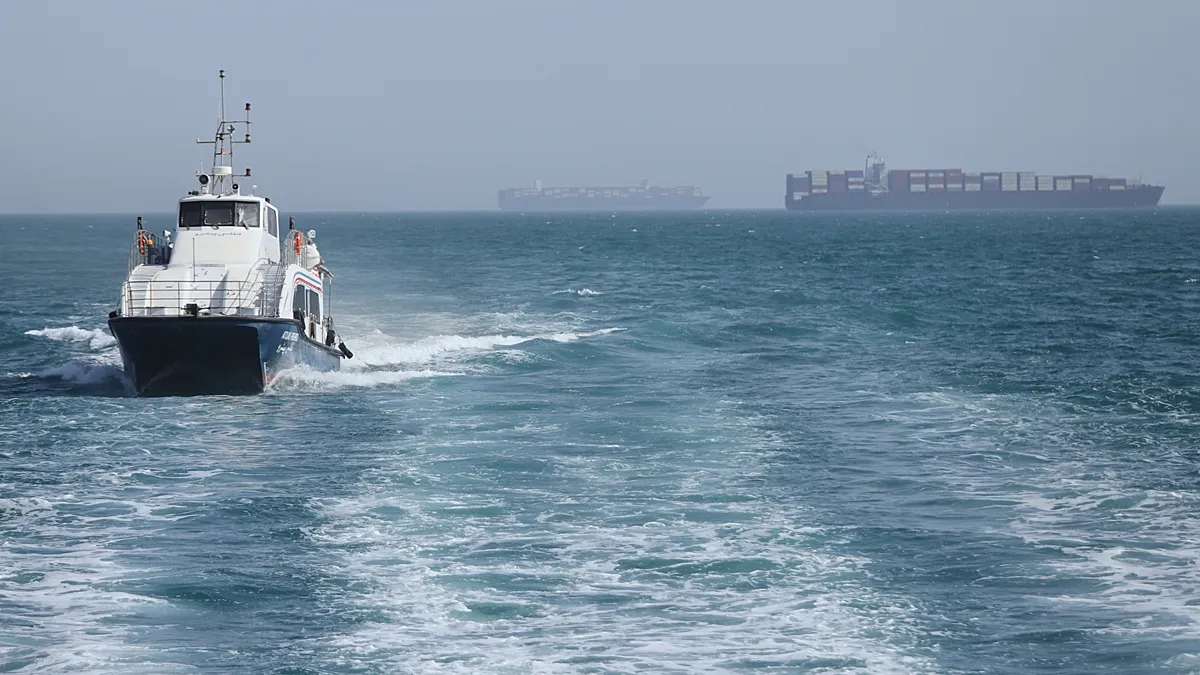
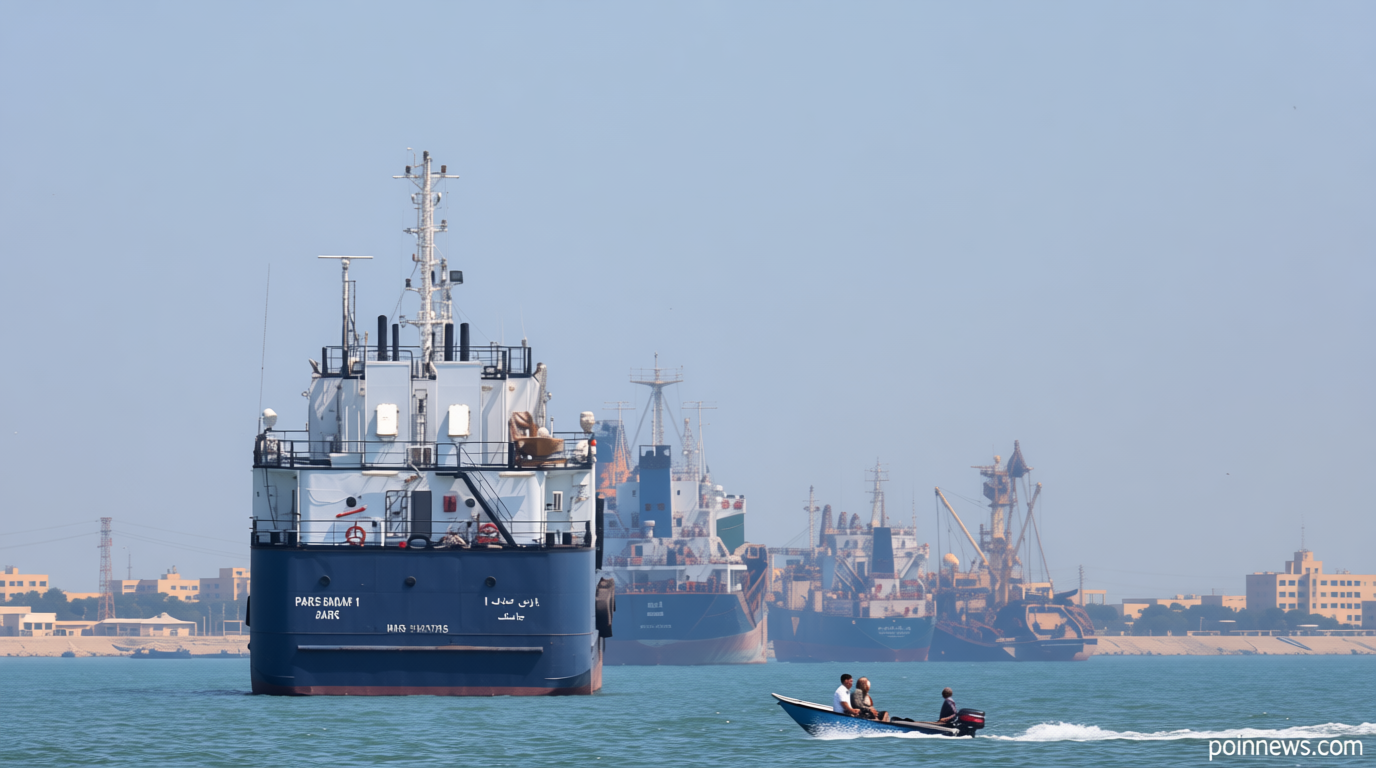
Poinews.com – On Thursday, a cargo ship was struck by a projectile in the Strait of Hormuz, approximately 7.5 nautical miles from Oman’s coast, according to the British military. The incident occurred amid renewed warnings from Iran’s Islamic Revolutionary Guard Corps (IRGC) about unauthorized passage through the critical waterway. While no injuries or environmental damage were reported, the ship’s bridge sustained structural damage, raising concerns about the safety of maritime traffic in the region.
Strait of Hormuz Tensions Escalate
The attack followed the IRGC’s declaration of a new transit route between Oman and the United Arab Emirates, which it claimed was exclusive to Iranian-approved vessels. A social media clip featuring an IRGC Navy radio broadcast warned that ships using the route without prior clearance would face “consequences.” The message emphasized strict adherence to designated paths, stating, “Transit is permitted only with IRGC permission, on designated routes. No permission, AIS off, or off-route, and you carry the consequences.”
“Transit only with IRGC permission, on designated routes. No permission, AIS off, or off-route, and you carry the consequences,” the broadcast reportedly said.
Maritime Traffic and Strategic Implications
Maritime records show a significant increase in crossings through the newly announced Oman route, which was launched in coordination with the International Maritime Organization (IMO). Data from the previous day revealed 70 ships had traversed the route before the attack, highlighting its growing importance. Oil tankers, including the Stoic Warrior, passed near Oman’s Musandam Peninsula, just offshore, shortly before the incident. The projectile strike has sparked fears of potential disruptions to global oil shipments, as the Strait of Hormuz remains a vital artery for international trade.
International Reactions and Diplomatic Efforts
US Secretary of State Marco Rubio met with Gulf Cooperation Council (GCC) foreign ministers to reaffirm America’s support for regional interests in the strait. He emphasized that the US would ensure no transit fees for vessels using the Oman route, stating, “If that stops, then we’re going to have a problem.” Bahrain’s Foreign Minister Abdullatif bin Rashid al-Zayani echoed this sentiment, calling the US support “a glimmer of hope for our region” and urging Iran to maintain its commitments. The IRGC’s naval branch, however, criticized the new route as “unacceptable and completely dangerous,” asserting it was established without prior coordination.
“If that stops, then we’re going to have a problem,” Rubio said.
Shipping Company Confirms Safe Passage Amid Concerns
Maersk, a major shipping company, confirmed that its container ship, the Maersk Baltimore, and another chartered vessel successfully exited the strait on Thursday. Richard Meade, editor-in-chief at Lloyd’s List, noted that “opportunistic operators… have begun chasing the backlog of trapped cargoes” due to the perceived reduced risk. The incident has intensified debates over the security of maritime routes, with the Oman passage emerging as a key alternative to traditional corridors. Experts warn that Iran’s renewed warnings could lead to further escalations, potentially affecting global energy markets.
Historical Context of Iran’s Passage Alerts
The Strait of Hormuz has long been a focal point for Iran’s maritime security policies. In recent months, the IRGC has issued multiple warnings about unauthorized vessel movements, citing concerns over Western military presence and potential threats to Iranian interests. This latest alert follows a pattern of similar incidents, including attacks on oil tankers in 2019 and 2020, which underscored the region’s vulnerability. The new route, while aimed at improving efficiency, has also been seen as a strategic move to assert control over traffic flow and pressure countries reliant on the strait for energy exports.
Global Response and Future Outlook
As news of the cargo ship hit by projectile spreads, international stakeholders are closely monitoring the situation. The UK’s Ministry of Defence and the US Navy have pledged to enhance security measures in the strait, while Gulf nations are considering contingency plans. Analysts suggest that the attack could mark a shift in Iran’s approach to maritime security, with a focus on both deterrence and negotiation. With the Strait of Hormuz remaining a strategic chokepoint, the incident highlights the delicate balance between regional control and global trade reliance, setting the stage for potential diplomatic interventions or further hostilities in the coming weeks.