Former Air Canada captain accused of flying for years without the correct license
Former Air Canada Captain Accused of Flying Without Correct License Former Air Canada captain accused of flying - Geoffrey Wall, a 59-year-old former Air

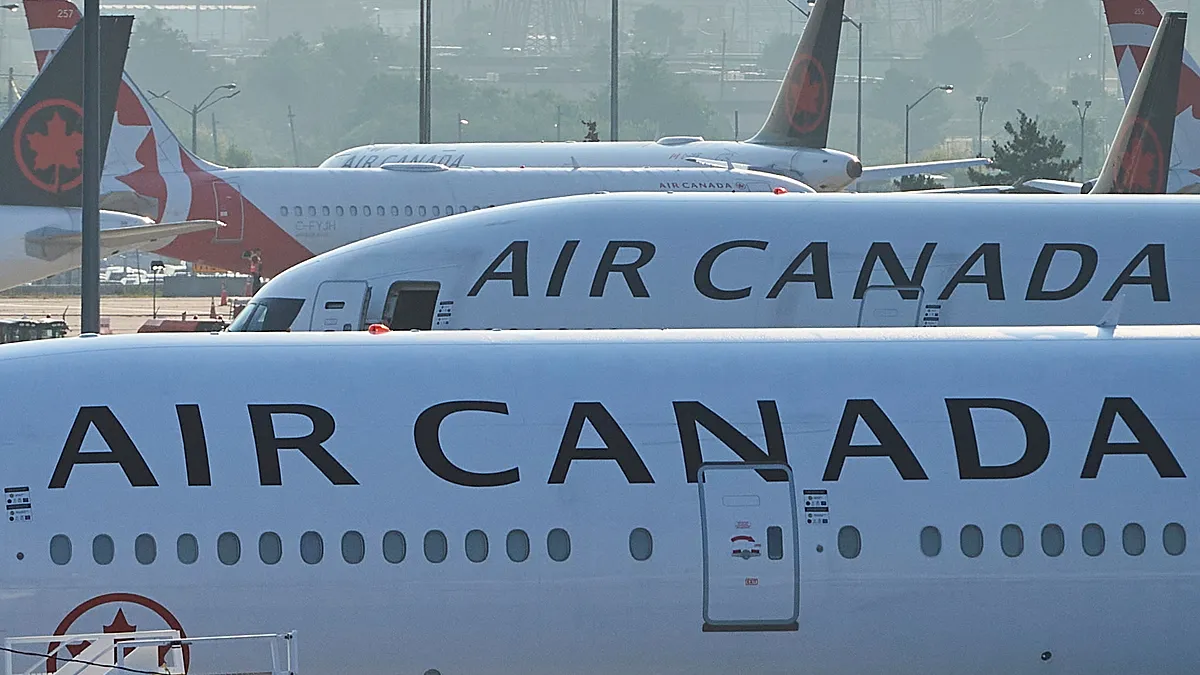
Former Air Canada Captain Accused of Flying Without Correct License
Poinews.com – Geoffrey Wall, a 59-year-old former Air Canada captain, has been accused of operating hundreds of flights over an extended period without the necessary airline transport pilot license. Canadian authorities confirmed the arrest on 1 June after Transport Canada investigators uncovered a long-standing discrepancy in Wall’s qualifications. The focus keyword former Air Canada captain accused highlights a critical issue in aviation oversight, raising questions about the reliability of pilot credentials and regulatory compliance.
License Discrepancy and Career Timeline
The investigation revealed that Wall, who began his career in 1998, held only a commercial pilot license instead of the airline transport pilot license required to command large commercial aircraft. Despite this, he served as a captain from 2009 to 2026, leading over 900 flights and earning significant income. The alleged omission, which spanned his entire professional tenure, has left aviation officials concerned about the potential risks to flight safety.
“This case is deeply concerning because it shows a former Air Canada captain accused of flying without the proper documentation could have operated aircraft for years without meeting the legal standards,” noted Transport Canada spokesperson Maria Chen during a statement release. “Such lapses could compromise the safety of hundreds of passengers.”
Air Canada’s Response and Internal Review
Following the discovery of the issue, Air Canada swiftly removed Wall from active duty and initiated an internal audit of its pilot records. The airline emphasized that safety was not compromised, stating Wall had “successfully met or exceeded” all mandatory training requirements. However, the former Air Canada captain accused of this breach has sparked a broader debate about the importance of strict licensing protocols in the aviation sector.
The internal audit found no other instances of non-compliance, but it prompted Air Canada to review its verification processes. The investigation, dubbed Project Icarus, was conducted in collaboration with Transport Canada and Peel Regional Police. Wall now faces multiple charges, including fraud exceeding $5,000 and presenting forged documents, which could lead to severe penalties if proven.
The Investigation Process and Regulatory Implications
Transport Canada’s regulatory review, which began in early 2026, uncovered discrepancies in Wall’s license records after a routine check. Investigators examined his flight logs, training certifications, and employment history, leading to the conclusion that he had been using counterfeit credentials for years. This process highlights the importance of continuous oversight in aviation, especially for senior roles like that of a captain.
“The former Air Canada captain accused of this misconduct underscores the need for more rigorous background checks and real-time verification systems,” said aviation safety expert Dr. Lila Torres. “Regulators must ensure that all pilots, especially those in leadership positions, are fully compliant with licensing standards.”
Public Reaction and Industry Concerns
The case has ignited public debate about aviation safety and the trust passengers place in pilots. Social media platforms have seen widespread discussions, with many expressing shock at the thought of a captain flying without the correct license. Aviation organizations have also called for stricter enforcement of licensing rules, emphasizing that the former Air Canada captain accused could set a precedent for similar incidents.
Industry insiders suggest that the incident may lead to policy changes, such as requiring digital license verification or mandatory background checks for all senior pilots. Meanwhile, Air Canada has pledged to enhance its training and compliance measures, aiming to prevent future lapses. The case also serves as a reminder of the critical role that certification plays in maintaining public confidence in air travel.
Legal Consequences and Future Implications
If found guilty, Wall could face fines, suspension of his pilot privileges, and even imprisonment for his alleged misconduct. The charges include fraud exceeding $5,000, two counts of presenting forged documents, and three counts of holding counterfeit marks. These penalties reflect the gravity of operating without proper credentials, which could endanger hundreds of lives.
“This is not just about a single pilot, but about the integrity of the entire aviation system,” stated Peel Regional Police chief Nishan Duraiappah. “The former Air Canada captain accused of this breach has shown a pattern of negligence, and we must hold individuals accountable to protect the public.”
The incident has also prompted Transport Canada to reassess its licensing procedures, ensuring that all pilots meet the required standards before being assigned to command positions. As the legal proceedings unfold, the case is expected to have lasting effects on both the airline industry and regulatory frameworks for pilot certification. For now, the former Air Canada captain accused of operating without a correct license stands as a cautionary tale in the aviation sector.