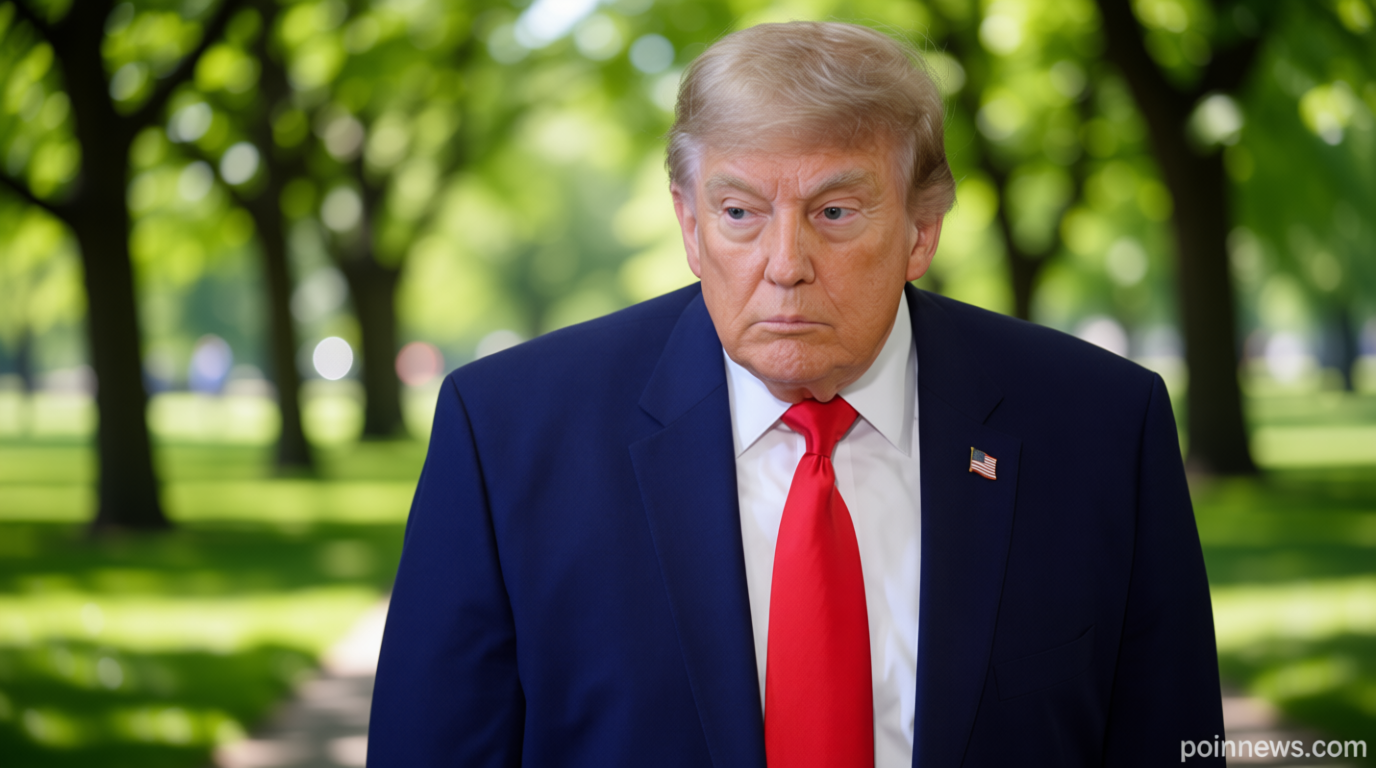
From Bolsonaro and Bukele to Fujimori and De la Espriella: Trump and Latin America’s rightward turn
From Bolsonaro and Bukele to Fujimori and De la Espriella: Trump and Latin America's Rightward Shift From Bolsonaro and Bukele to Fujimori - Latin America has

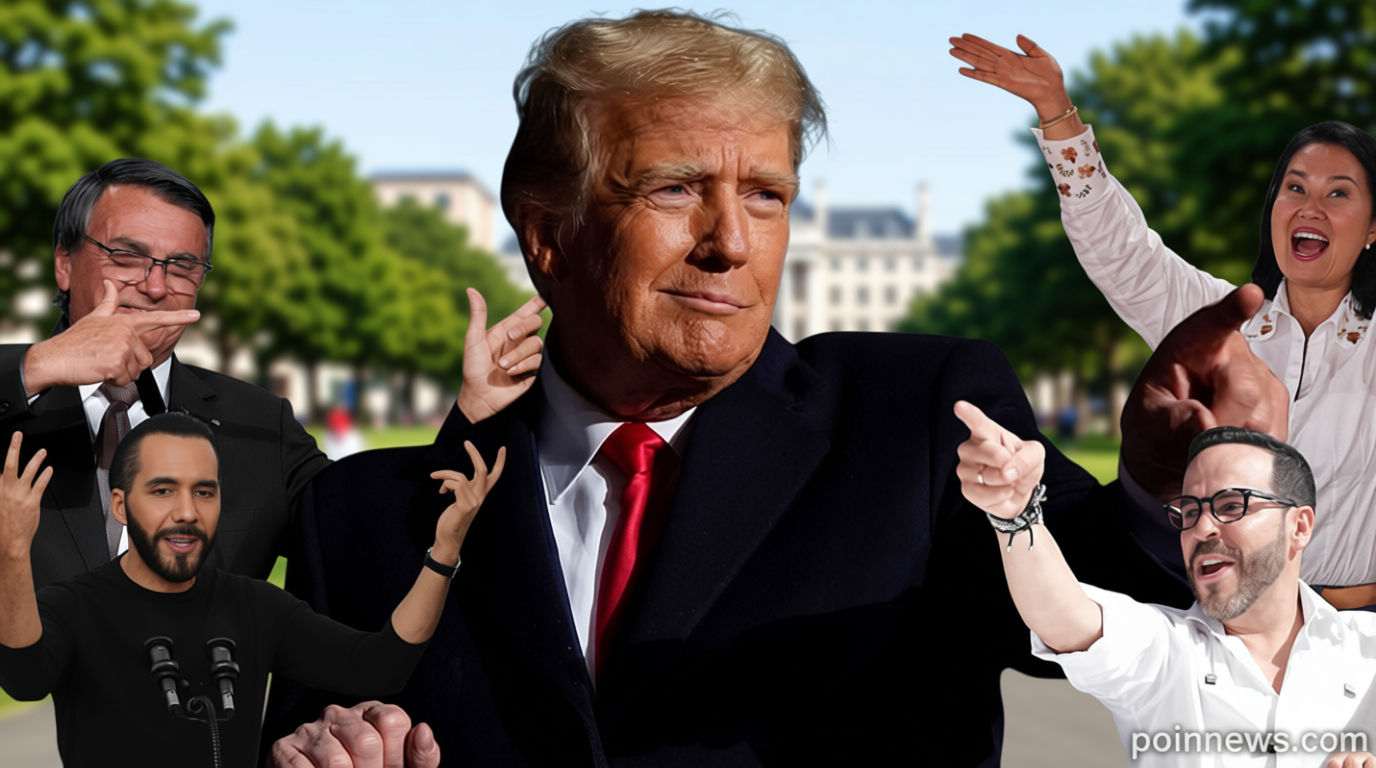
From Bolsonaro and Bukele to Fujimori and De la Espriella: Trump and Latin America’s Rightward Shift
Poinews.com – Latin America has seen a notable political realignment in recent years, with right-wing leaders gaining momentum across the continent. Among them are seasoned veterans like Brazil’s Jair Bolsonaro, who has long been a fixture in politics, and newcomers such as El Salvador’s Nayib Bukele, whose rise to power was unexpected. Despite their differing backgrounds, these figures share a common thread: they have embraced nationalist messaging, populist strategies, and a clear ideological alignment with Donald Trump.
Colombia and Peru: New Frontiers for the Right
Abelardo de la Espriella, a 47-year-old lawyer and businessman, has become a symbol of this shift in Colombia. Without prior political experience, he narrowly defeated left-wing senator Iván Cepeda by a margin of just 200,000 votes. His upcoming inauguration on 6 August marks the end of Gustavo Petro’s tenure as a left-leaning icon and vocal critic of Trump. De la Espriella’s close rapport with the U.S. president has been evident since the campaign, with Trump swiftly endorsing him after the election results were confirmed.
“He won, big!”
Trump’s endorsement was not merely symbolic. In a social media post, he highlighted the victory of “the candidate backed by Trump,” expressing confidence in De la Espriella’s leadership. U.S. Secretary of State Marco Rubio echoed this sentiment, stating that the Trump administration is eager to collaborate with the new Colombian government to enhance security, combat illegal immigration, and deepen economic ties.
The Peruvian Connection
In Peru, Keiko Fujimori’s campaign reflects a similar trajectory. Her political journey spans over 15 years, and she now faces Roberto Sánchez in a race centered on crime reduction and migration control. Fujimori, who is part of the Fuerza Popular party, has pledged to align more closely with Washington if elected. This move would be her fourth presidential bid, building on her father Alberto Fujimori’s legacy, which was tarnished by corruption charges and human rights violations.
“My role, if elected president, will be to encourage the United States to become more actively involved again,” Fujimori stated in April, according to AFP. While her ties to Trump are political, her approach mirrors the U.S. president’s rhetoric on issues like border security and economic nationalism.
A Broader Trend Across the Region
De la Espriella and Fujimori are part of a growing movement that includes leaders such as Javier Milei in Argentina, José Antonio Kast in Chile, Daniel Noboa in Ecuador, Rodrigo Paz in Bolivia, and Santiago Peña in Paraguay. This trend began in 2019, when Bukele and Bolsonaro both secured the presidency, signaling a departure from the region’s long-standing socialist inclinations.
Bolsonaro’s policies during his time in office drew striking parallels with Trump’s early years. Both leaders championed gun rights, opposed vaccine mandates during the pandemic, and adopted a confrontational tone toward global institutions. Bolsonaro’s alleged role in orchestrating an uprising in Brasília in 2023—mirroring the U.S. Capitol riot two years prior—further cemented their ideological kinship. Trump even threatened to impose a 50% tariff on Brazil unless the legal case against Bolsonaro was dismissed.
Meanwhile, Bukele’s governance in El Salvador has earned Trump’s praise. His declaration of a state of emergency to address criminal gangs, his assertive leadership style, and support for cryptocurrencies have resonated with key figures in Trump’s inner circle. The former TV personality, who once called himself “the world’s coolest dictator,” has been described as a “great ally” by Trump, who considers him one of his favorite people.