Iran and US exchange strikes in latest threat to fragile ceasefire
Iran and US Exchange Strikes in Latest Threat to Fragile Ceasefire Iran and US exchange strikes in latest - Recent military clashes between Iran and the

Iran and US Exchange Strikes in Latest Threat to Fragile Ceasefire
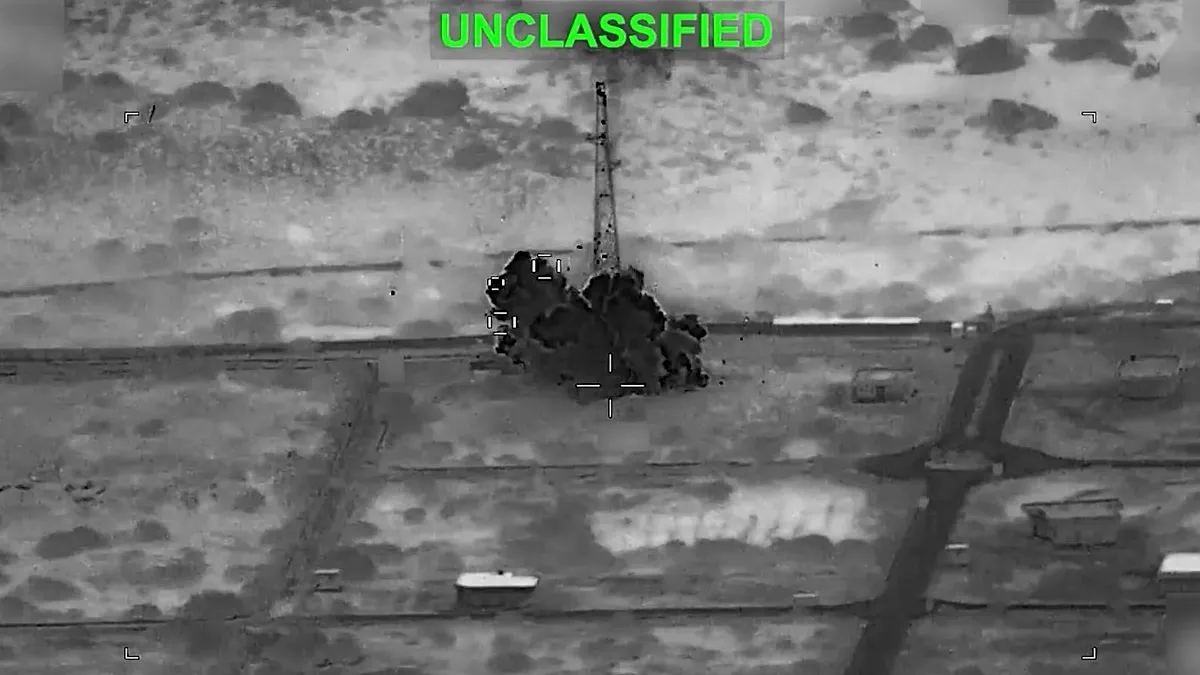
Poinews.com – Recent military clashes between Iran and the United States have intensified tensions, casting doubt on the fragile ceasefire that has held the region in relative calm for months. The focus keyword, Iran and US exchange strikes, underscores the escalating confrontations that have once again reignited hostilities. This latest round of combat, which unfolded over a critical weekend, saw both sides engaging in targeted attacks, with the U.S. intercepting Iranian drones and Iran retaliating with missile strikes. The events have raised concerns about the stability of the Middle East and the future of the strategic waterway, the Strait of Hormuz, which remains a vital artery for global oil and gas supplies.
Background of the Ceasefire and Recent Escalation
The ceasefire, initially brokered in April after a series of coordinated attacks by Israel and the U.S. against Iran’s leadership, was intended to reduce regional violence and create space for diplomatic talks. However, the fragile agreement has faced repeated challenges, with both Iran and the U.S. accused of testing the limits of restraint. The current exchange of strikes began on Friday when the U.S. military intercepted four Iranian drones heading toward the Strait of Hormuz. These drones, according to U.S. Central Command (CENTCOM), were designed to monitor and target commercial vessels, potentially disrupting maritime traffic. In response, Iran launched strikes on U.S. military installations in the Gulf, marking a significant escalation in hostilities.
“The U.S. action was a preemptive measure to protect energy infrastructure and prevent potential attacks on key supply routes,” said a CENTCOM spokesperson, emphasizing the strategic importance of the region. The exchange of strikes, while limited in scale, has highlighted the vulnerability of the ceasefire and the readiness of both nations to act decisively.
Regional Reactions and Alliances Under Fire
The conflict has drawn swift reactions from Gulf allies, particularly Kuwait and Bahrain, whose air raid sirens were activated during the strikes. While Kuwait’s military confirmed its defense systems had intercepted incoming missiles, it did not specify the aggressor, leaving the U.S. and Iran to vie for narrative control. Iran’s Revolutionary Guards, meanwhile, accused the U.S. of “invasion” and claimed to have damaged the headquarters of the U.S. 5th Fleet in Bahrain. These accusations, though disputed, have fueled fears of a broader regional conflict. The strikes on Qeshm Island and Goruk, located in the Persian Gulf, have also raised questions about the extent of U.S. military presence in the area and its potential for provocation.
“We are confident that our forces remain secure, and the Iranian claims are exaggerated,” CENTCOM reiterated, pointing to its successful defense of the islands. The incident has reignited debates over the U.S. strategy in the region, with some analysts warning that the ceasefire may be on the brink of collapse.
Global Implications of the Ceasefire Threat
The Iran and US exchange strikes has far-reaching implications beyond the Gulf, particularly for global energy markets. The Strait of Hormuz, which sees approximately 20% of the world’s oil exports pass through its waters, is now at the center of geopolitical uncertainty. Any prolonged disruption to its operations could lead to a spike in oil prices and economic instability, especially as demand for energy continues to rise. The U.S. has long positioned itself as a guardian of the strait, and its actions in intercepting Iranian drones have been framed as a necessary measure to safeguard international interests. However, Iran’s retaliation has been seen by some as a calculated move to assert its influence and challenge U.S. dominance in the region.
Experts warn that the current standoff could escalate further if diplomatic channels fail to prevent renewed conflict. The original ceasefire, which was a breakthrough after months of tension, is now under threat as both sides prepare for a potential escalation. While the U.S. and Iran have been able to contain hostilities in the past, the recent exchange of strikes has demonstrated that the situation remains volatile. The involvement of additional actors, such as Israel, adds another layer of complexity, as their past attacks on Iran’s leadership have been cited as a catalyst for the current tensions.
“The Iran and US exchange strikes has shown that the region is still teetering on the edge of war, even with a ceasefire in place,” noted a regional analyst. “This is a test of whether both sides can continue to uphold their commitments or if the fragile peace will be shattered.”
Looking Ahead: Diplomatic Efforts and Future Prospects
Despite the recent hostilities, diplomatic efforts to sustain the ceasefire remain ongoing. U.S. officials have expressed a commitment to dialogue, while Iran has called for a broader regional agreement that includes all Middle Eastern powers. The focus keyword, Iran and US exchange strikes, has become a symbol of the precarious balance between conflict and cooperation. Analysts suggest that the upcoming weeks will be critical in determining whether the ceasefire can be reinforced or if the Iran and US exchange strikes will set the stage for a more severe confrontation. The involvement of international mediators, such as the United Nations or regional organizations, may play a key role in de-escalating the situation and preventing a full-scale war.
As the situation continues to unfold, the broader implications for global security and energy markets are closely monitored. The Iran and US exchange strikes not only highlight the strategic rivalry between the two nations but also the delicate interdependence of their actions on the stability of the entire region. With the potential for further strikes and the looming threat of a wider conflict, the path to peace remains uncertain, and the focus keyword will likely remain at the forefront of discussions in the coming days.