Iran prepares largest state funeral in history for slain Ayatollah Ali Khamenei
Iran Commemorates Late Supreme Leader with Historic Multi-City State Funeral Iran prepares largest state funeral in history - Iran is organizing a state

Iran Commemorates Late Supreme Leader with Historic Multi-City State Funeral
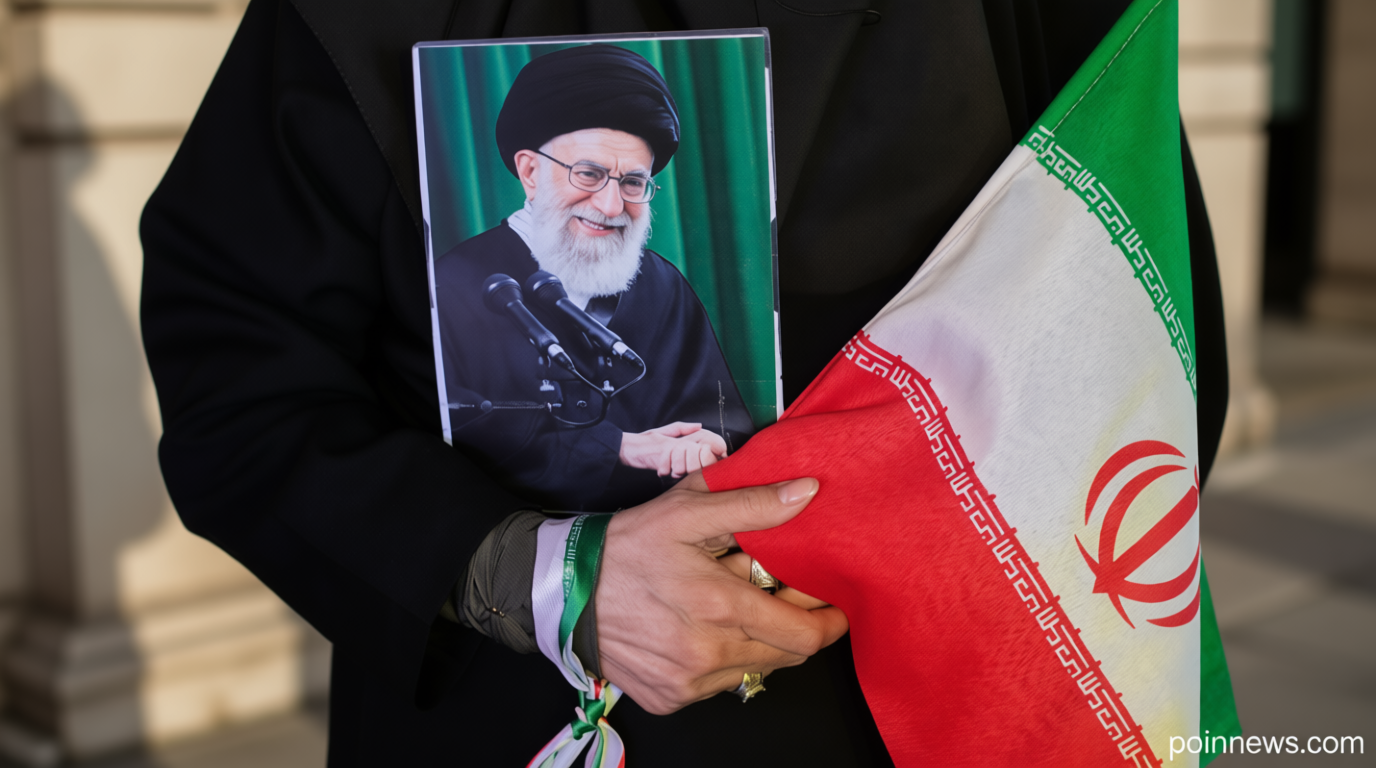
Poinews.com – Iran is organizing a state funeral of unprecedented scale for Ayatollah Ali Khamenei, marking the most significant mourning event in the nation’s history. The six-day ceremony will unfold across five cities in Iran and Iraq, starting on Saturday, as the country pays tribute to the leader who passed away nearly four months ago during the initial US-Israeli strikes of the war on 28 February.
Leadership and Legacy
Khamenei, who held the position of supreme leader for 37 years, was the second-longest-serving holder of the title since the Islamic Republic’s inception following the 1979 revolution. Born in 1939 in Mashhad, he served as Iran’s president from 1981 to 1989 before being elected ayatollah by the Assembly of Experts, the body of Islamic scholars that appoints the supreme leader, after the death of Ayatollah Ruhollah Khomeini.
The body of the late ayatollah has been on display since the war began, with the funeral processions scheduled to reflect both national and religious importance. The four-month delay was attributed to the ongoing conflict, ceasefire, and subsequent negotiations between Iran and the US.
Event Details and Scale
Authorities have confirmed that the timing aligns with a period of reduced tensions, as both Iran and the United States pause military exchanges during talks on a memorandum of understanding. Tehran aims to host the event without disruption, drawing a global audience for the occasion.
“This gathering will be the largest in the city’s history,” stated Tehran’s mayor regarding the expected attendance at the main ceremony in the capital.
The funeral will commence in Tehran on Saturday and Sunday at the Mosalla prayer complex, a central site for large state religious events. The complex, named for its role as a “prayer ground,” has previously hosted the funerals of key Islamic Republic figures and remains a focal point for mourning activities.
The primary procession will take place on Monday, traversing a 10-kilometre route from Imam Hossein Square to Azadi Square, a historic venue for major gatherings spanning from the 1979 revolution to recent protests. With temperatures projected to rise to around 45 degrees Celsius, the event will test logistical and crowd management capabilities.
Religious Significance and International Participation
Following the Tehran leg, the body will be transferred to Qom, the heart of Shiite Islamic scholarship in Iran. The ceremonies there will occur between the shrine of Fatima Masoumeh and Jamkaran Mosque, a site linked to the Hidden Imam, or Mahdi, and considered one of Shia Islam’s most revered pilgrimage locations.
The funeral will continue in Iraq, with processions planned in Najaf and Karbala, the two holiest cities for Shia Muslims. These locations house the shrines of Imam Ali and Imam Hussein, the First and Third Imams. Iranian Foreign Minister Abbas Araghchi recently visited both cities to coordinate the event.
The final rites will take place in Mashhad, Khamenei’s birthplace and Iran’s holiest city. It is home to the shrine of Imam Reza, the Eighth Imam, and the Astan Quds Razavi, a major religious and economic institution with ties to state entities like the IRGC.
Logistical preparations include converting Tehran’s highways into temporary parking zones and repurposing mosques, schools, sports facilities, and universities as accommodations. Each of the city’s 22 districts will welcome mourners from one of its 31 provinces. Flights are expected to be canceled, and entry into key cities will be restricted to manage crowds.
Uncertainties and Delegates
While the event is set in motion, questions remain about whether Mojtaba Khamenei, the newly appointed ayatollah, will participate. Iranian officials have not confirmed reports from US media that Mojtaba sustained serious injuries during the strikes that killed his father and has undergone multiple surgeries.
International participation includes a delegation from Pakistan, with President Asif Ali Zardari and Prime Minister Shehbaz Sharif confirming their attendance. The involvement of leaders from Gulf Arab states, which were targeted during the war, and Russia remains uncertain as preparations continue.