IRGC threatens regional energy assets as Iran trades strikes with Israel
IRGC Threatens Regional Energy Assets Amid Escalating Tensions with Israel IRGC threatens regional energy assets as Iran - Iran’s Islamic Revolutionary Guard

IRGC Threatens Regional Energy Assets Amid Escalating Tensions with Israel
Poinews.com – Iran’s Islamic Revolutionary Guard Corps (IRGC) has escalated its warnings against regional energy infrastructure, signaling a heightened readiness to strike critical facilities in response to Israeli actions. The move comes as the two nations intensify their military confrontation, with recent strikes on each other’s petrochemical sites underscoring a growing shift in their strategic rivalry. The IRGC’s threats highlight the vulnerability of energy assets in the region and the potential for wider geopolitical repercussions, as the conflict appears to be evolving beyond direct military engagements.
The Targeted Strikes and Their Strategic Implications
The conflict reached a new level on Monday when Israel reportedly launched an attack on Iran’s Karun petrochemical plant, a cornerstone of the country’s energy production in Khuzestan province. This facility, located in Mahshahr, is pivotal for Iran’s chemical exports and serves as a major supplier of ethylene, a key component in plastics and other industrial products. The strike, which Iranian media described as a calculated move, disrupted operations and raised concerns about the long-term impact on the nation’s energy output.
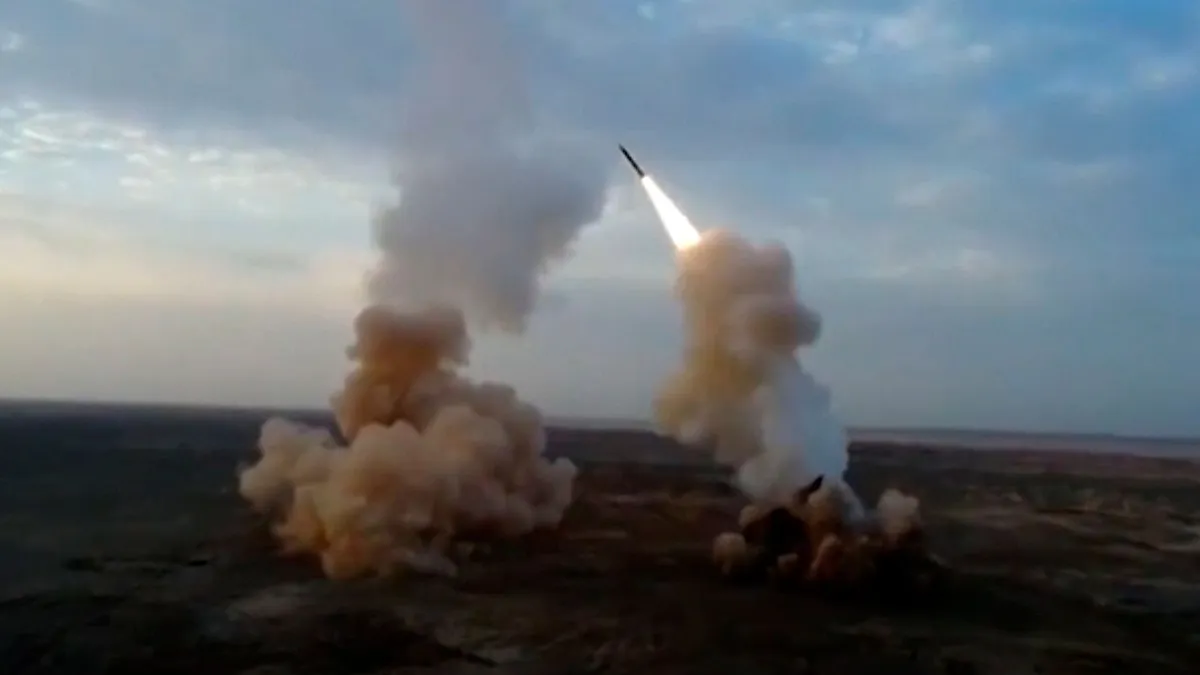
In retaliation, the IRGC’s Aerospace Force claimed to have targeted Haifa’s industrial zone, a hub for Israel’s petrochemical sector. The area houses the Bazan Group refinery—the country’s largest—and several chemical plants, making it a symbolic and strategic asset for Tel Aviv. The attack, which could lead to environmental damage and civilian casualties, was framed by Iran as a proportional response to the Israeli strike, emphasizing the threat to regional stability and economic interests.
“Any further strikes on Iran’s energy facilities would trigger attacks on the assets of the US, Israel and their regional partners,” said an IRGC-affiliated source. The statement underscores the IRGC’s intent to broaden the conflict, not only targeting Israeli infrastructure but also holding the United States accountable for its support of Israeli military operations.
The IRGC’s threats reflect a broader strategy to leverage energy infrastructure as a tool of geopolitical pressure. By accusing Israel of initiating a “dangerous game” through strikes on civilian energy sites, Tehran aims to rally regional allies and draw international attention to its grievances. The organization’s emphasis on retaliation under the UN Charter’s Article 51 suggests a legal justification for its actions, positioning them as a defensive measure rather than an aggressive one.
Diplomatic Maneuvering and Ceasefire Dynamics
Despite the escalating hostilities, the United States and Iran have maintained a ceasefire since April 8, a pact that has so far prevented full-scale war. However, Tehran argues that this agreement should cover all fronts, including Israeli operations in Lebanon. Washington and Tel Aviv, on the other hand, assert that the ceasefire does not extend to attacks by Israel in the region, creating a rift in the diplomatic framework.
Foreign Ministry spokesperson Esmaeil Baghaei addressed the situation during a recent briefing, countering claims that the US had obstructed Israeli strikes. “No one believes Israel would act without US coordination,” he stated, pointing to the US Central Command’s active support of Israeli operations. This admission suggests a complex relationship between the US and Israel, with Iran accusing Washington of enabling aggression against its energy assets and regional interests.
Baghaei also hinted at potential negotiations over Iran’s enriched uranium stockpile, a significant departure from his earlier stance that the issue was non-negotiable. “If this stage reaches a successful conclusion, that issue would be one of the subjects to be discussed in the next phase of negotiations,” he added. This shift indicates that the IRGC’s threats may not only be military but also serve as a diplomatic leverage point to pressure Western allies.
The IRGC’s targeting of energy assets extends beyond immediate retaliation. By threatening to strike infrastructure linked to US and Israeli interests, the group aims to disrupt global energy markets and weaken economic ties. Analysts warn that such actions could lead to a chain reaction, affecting oil prices and the stability of key regions like the Persian Gulf. The focus keyword “IRGC threatens regional energy assets” is central to understanding Iran’s strategic calculus in this conflict.