Israel and Hezbollah agreed to renew ceasefire, officials say
easefire Agreement Israel and Hezbollah agreed to renew - Israel and Hezbollah have agreed to renew the ceasefire that was set to begin on Friday, marking a

Israel and Hezbollah Reach Renewed Ceasefire Agreement
Poinews.com – Israel and Hezbollah have agreed to renew the ceasefire that was set to begin on Friday, marking a pivotal development in the ongoing conflict. Three senior officials, including a representative from the Israeli government and two Lebanese sources, confirmed that the two parties have reached an agreement to extend the pause in hostilities. This decision follows weeks of escalating tensions in southern Lebanon, where frequent attacks and retaliatory strikes threatened to push the war into a new phase. The renewed ceasefire, which will take effect immediately, aims to provide a temporary respite for both sides while diplomatic efforts continue to solidify a lasting peace.
“The agreement to renew the ceasefire is a significant step forward, though it remains subject to final verification by all parties,” stated one official, who emphasized that the terms of the deal were still being finalized.
The decision to extend the truce has been widely welcomed as a necessary measure to prevent further loss of life and stabilize the region. Israeli Defense Forces (IDF) spokespersons noted that the ceasefire will allow for the assessment of damage, the recovery of wounded personnel, and the restoration of critical infrastructure in areas affected by recent attacks. Meanwhile, Hezbollah officials have expressed cautious optimism, acknowledging the agreement as a result of sustained diplomatic pressure from regional and international actors.
Global Mediation and Regional Dynamics
The renewed ceasefire was made possible through the coordinated efforts of key regional players, including Qatar, the United States, and Iran. These nations have been instrumental in brokering talks between Israel and Hezbollah, with diplomats working tirelessly to address both sides’ concerns. The U.S. State Department confirmed its involvement in the mediation, highlighting its commitment to reducing violence in the Middle East. Iran, a major supporter of Hezbollah, has also played a critical role, ensuring that the agreement aligns with its strategic interests in the region.
“The agreement to renew the ceasefire reflects the growing urgency to prevent the conflict from spiraling further,” said a U.S. source, who described the talks as “intensive and focused.”
Qatar, known for its neutral stance and diplomatic initiatives, has been credited with facilitating the latest breakthrough. The Gulf state’s mediation efforts were reportedly bolstered by its close ties to both Israel and Hezbollah, allowing it to act as a bridge between the two factions. Officials from Lebanon’s government also praised the role of international actors in ensuring the ceasefire’s success, though they warned that the agreement’s effectiveness will depend on the commitment of all parties to uphold their end of the bargain.
Escalation and Immediate Aftermath
Earlier this week, the conflict saw a sharp increase in activity, with Hezbollah launching coordinated attacks on Israeli positions in southern Lebanon. These strikes, which targeted military bases and supply lines, resulted in the deaths of four Israeli soldiers and prompted a strong response from the Israeli military. In a televised address, Israeli National Security Minister Itamar Ben-Gvir declared, “All of Lebanon must burn,” signaling his belief that the renewed ceasefire was a necessary condition for future peace talks.
“The agreement to renew the ceasefire will allow us to refocus on long-term solutions rather than immediate retaliation,” added Ben-Gvir, who has been a vocal advocate for a hardline approach to Hezbollah.
Despite the heightened rhetoric, Israeli Prime Minister Benjamin Netanyahu’s office remained measured in its public statements, emphasizing the importance of maintaining military readiness. Brigadier General Effie Defrin, a spokesperson for the IDF, clarified that the military had not received new directives to intensify operations, underscoring the ceasefire’s role in granting both sides time to reassess their strategies. This balance between aggression and restraint highlights the complexity of the conflict and the delicate nature of the ceasefire agreement.
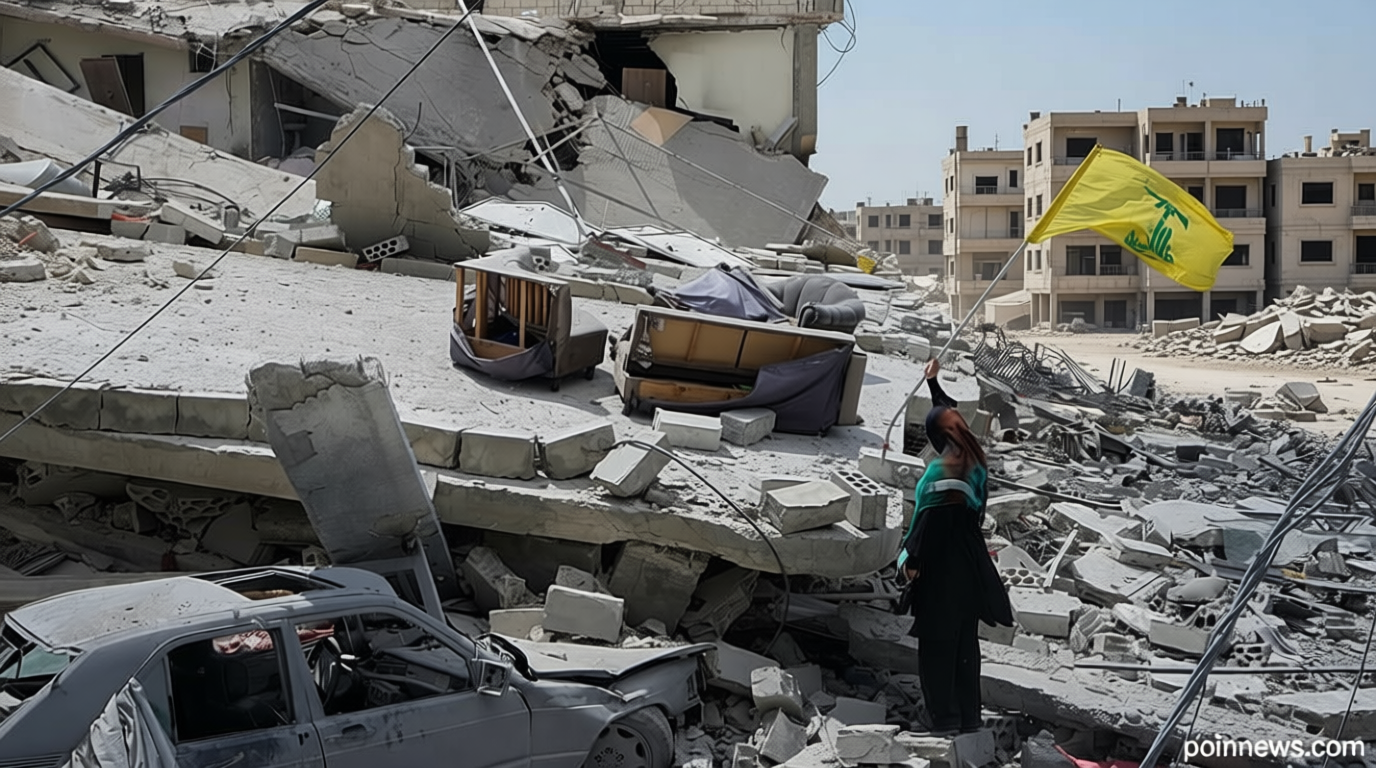
On the same day the ceasefire was announced, the Israeli Defense Forces claimed to have neutralized over 80 Hezbollah targets in southern Lebanon. These strikes were part of a broader military operation aimed at disrupting the group’s ability to launch attacks. Lebanese state media reported that the attacks killed at least 47 people, including seven women and two children, and wounded 97 others. While the ceasefire will halt active hostilities, the continued targeting of Hezbollah positions suggests that the conflict remains far from resolved.
Context and Historical Precedents
The renewed ceasefire follows a series of failed attempts to broker a lasting peace in the region. The previous truce, signed in April, was short-lived as both sides resumed attacks within days. This pattern of agreement and breakdown has been a recurring challenge, with each new ceasefire seen as a temporary fix rather than a permanent solution. The current deal, however, is viewed as more comprehensive, with terms that address the root causes of the conflict, including territorial disputes and the flow of weapons into Lebanon.
“The agreement to renew the ceasefire is a critical moment to reassess the conflict’s trajectory and lay the groundwork for a more durable peace,” said a Lebanese analyst, who noted the importance of involving all stakeholders in the negotiations.
Historically, the conflict between Israel and Hezbollah has been fueled by deep-seated political and religious tensions. Hezbollah, a Shia militant group backed by Iran, has long sought to challenge Israeli influence in southern Lebanon, while Israel aims to secure its borders from potential threats. The renewed ceasefire offers a chance to pause these confrontations, but its success will depend on the willingness of both sides to honor their commitments. Analysts suggest that the agreement may be a stepping stone toward a broader peace deal involving other regional actors.
Challenges and Future Outlook
While the agreement to renew the ceasefire has been met with cautious optimism, several challenges remain. The primary concern is the possibility of renewed attacks once the ceasefire is in place, particularly if Hezbollah perceives Israeli forces as a threat. Additionally, the involvement of Iran and its support for Hezbollah could complicate the process, as Tehran seeks to maintain its influence in the region. The renewed ceasefire is expected to last for a period of 30 days, during which time officials will work to finalize the details of the agreement and ensure its implementation.
“The agreement to renew the ceasefire is a necessary but not sufficient step toward a lasting resolution of the conflict,” said a regional security expert, who emphasized the need for sustained diplomatic engagement.
International observers have welcomed the decision, though they caution that the ceasefire must be monitored closely. The United Nations has called for an independent verification mechanism to ensure compliance with the agreement, while the European Union has pledged support for peacebuilding initiatives. For now, the focus remains on maintaining the ceasefire and addressing the humanitarian impact of the war. With over 200,000 people displaced and thousands injured, the renewed agreement is seen as a vital opportunity to ease the suffering of civilians in the region.