Kubilius: Europe’s response to Russian hybrid attacks should be ‘as painful’ for Moscow
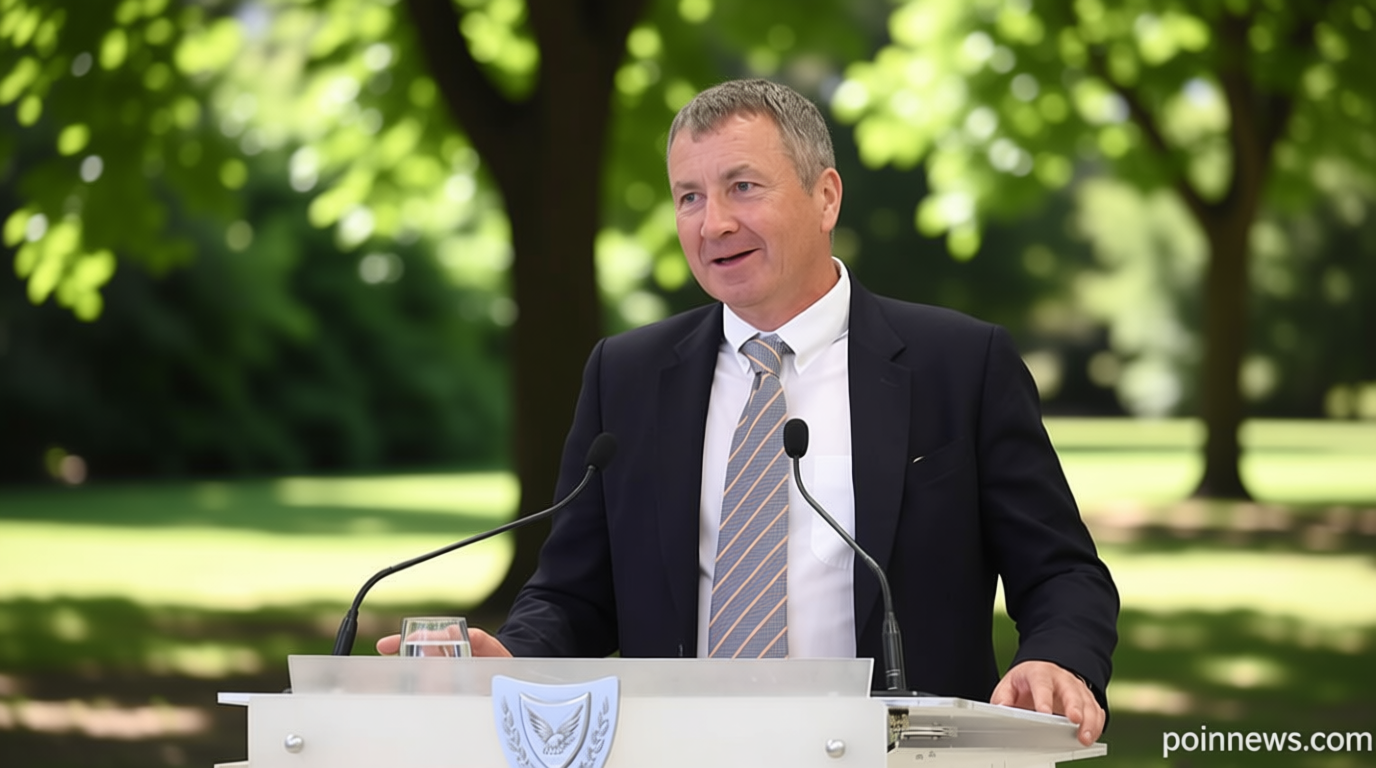
Europe must ensure that any response to Russian hybrid operations carries real consequences for Moscow, European Commissioner for Defence Andrius Kubilius has

Table of Contents
Europe Urged to Make Hybrid Deterrence Felt in Moscow
Poinews.com – Europe must ensure that any response to Russian hybrid operations carries real consequences for Moscow, European Commissioner for Defence Andrius Kubilius has said, as concerns grow over attacks designed to unsettle societies far beyond the battlefield in Ukraine.
Speaking during a defence and space gathering in Brussels, Kubilius argued that Russia’s tactics are intended to reach into daily life across Europe, creating anxiety and weakening public confidence. He said the challenge was not limited to conventional military threats, but included pressure campaigns aimed at the attitudes and perceptions of European citizens.
“If we are hit by Russian hybrid attacks, our answers should be as painful as that attack.”
Kubilius said European governments must decide how to create that deterrent effect, stressing that a hybrid campaign requires a response that is equally adaptable.
“How can that pain be created? It’s up to us.”
Concern over alleged sabotage and drone activity
The comments come after a series of incidents that European authorities have linked to Moscow. Estonia this week accused the Kremlin of arranging an arson attack targeting a drone manufacturer that supplies equipment to Ukraine. Earlier in September, Germany attributed an attempted drone attack involving Ukrainian cargo aircraft at Leipzig/Halle Airport to Russia.
Such incidents illustrate why hybrid security has become a central concern for European policymakers. The term can cover a range of actions that fall below the threshold of open armed conflict, including sabotage, suspected drone activity, intimidation and efforts to exploit public fears. Their impact can extend beyond the immediate target, raising questions about infrastructure security, supply chains and the protection of companies supporting Ukraine.
Kubilius, a former prime minister of Lithuania, said the wider objective is to influence the public mood across Europe. He warned that Russia is trying to spread fear by seeking to control how people think and feel about security, conflict and the future.
“If we are facing hybrid war against us, we need to have hybrid defence.”
For European countries, that means resilience cannot rest solely on military forces. It also involves cooperation between governments, police, intelligence services, transport operators, businesses and communities. The aim is to identify threats early, protect vulnerable sites and prevent incidents from producing the wider fear or division their perpetrators may seek.
Dispute over the value of diplomacy
Kubilius also pushed back against calls for renewed diplomatic engagement with the Kremlin as a route toward ending Russia’s war against Ukraine. His remarks followed an appeal from Bulgarian Prime Minister Rumen Radev, who said the European Union should keep channels open with Russia because a lasting settlement would ultimately require diplomacy.
Radev warned that military assistance alone could not determine the final peace arrangement and said European leaders should listen more carefully to one another. He also raised the prospect of nuclear danger, describing it as a risk that should not be ignored even amid uncertainty about its likelihood.
“There is a limit to just delivering weapons and supporting, because the final peace set-up will be done by diplomacy, not by delivering weapons. So our call is to listen more to each other, to open the lines of communication.”
“The problem is that no one is raising the question about nuclear risk. Does it exist? Maybe not, I don’t know, but this is a risk.”
Kubilius took a markedly different view, saying previous diplomatic efforts had failed to shift Russia’s demands and could put Ukraine in a weaker position. He said Moscow’s stance remained focused on Ukrainian capitulation rather than a negotiated outcome that could provide security for Ukraine and Europe.
“Russians are standing with their position very clear: Ukraine needs to surrender – that is their diplomacy position.”
He argued that President Vladimir Putin must conclude that the war cannot deliver the objectives Russia has pursued. In Kubilius’s assessment, pressure on Russia is necessary to demonstrate that continuing the conflict brings costs rather than gains.
“Putin needs to understand that in the end he won’t achieve anything with this war.”
“Putin needs to feel that war is coming to Russia itself.”
Security implications for the whole continent
The debate reflects a broader division over how Europe should combine military support, deterrence and diplomacy while the war continues. Calls for negotiations often centre on the human cost of prolonged fighting and the fear of escalation. Critics of an early diplomatic push, however, argue that talks without meaningful changes in Russia’s position could reward coercion and leave Ukraine exposed.
Kubilius warned that opening a diplomatic track under present conditions could encourage further escalation. In his view, an arrangement that fails to secure Ukraine would not create lasting safety for the rest of Europe either.
“So in my view, that doesn’t lead to anywhere which could make both Ukraine and the whole of Europe safe.”
He said an outcome that appeared to validate Russian pressure would be seen as a success by Putin and could invite further challenges to European security.
“And that would be a victory for Putin, and we can expect what would come next.”
His message places hybrid defence alongside support for Ukraine as part of the same strategic question: whether Europe can prevent hostile actions from shaping its politics, security choices and public confidence. The response, he suggested, must be firm enough that the costs are understood in Moscow.
Related Reading
Frequently Asked Questions
What is Kubilius?
Kubilius is the main topic of this guide. The article explains the context, practical details, and next steps readers should understand.
Why does Kubilius matter?
Kubilius matters because readers are looking for a useful answer, not just a short summary. Good content should match search intent and help them decide what to do next.