Malaysia’s 3rd International Summit of Religious Leaders explores how faith can empower the youth
Malaysia's 3rd International Summit of Religious Leaders: Faith as a Youth Empowerment Tool Malaysia s 3rd International Summit of Religious - Malaysia’s 3rd

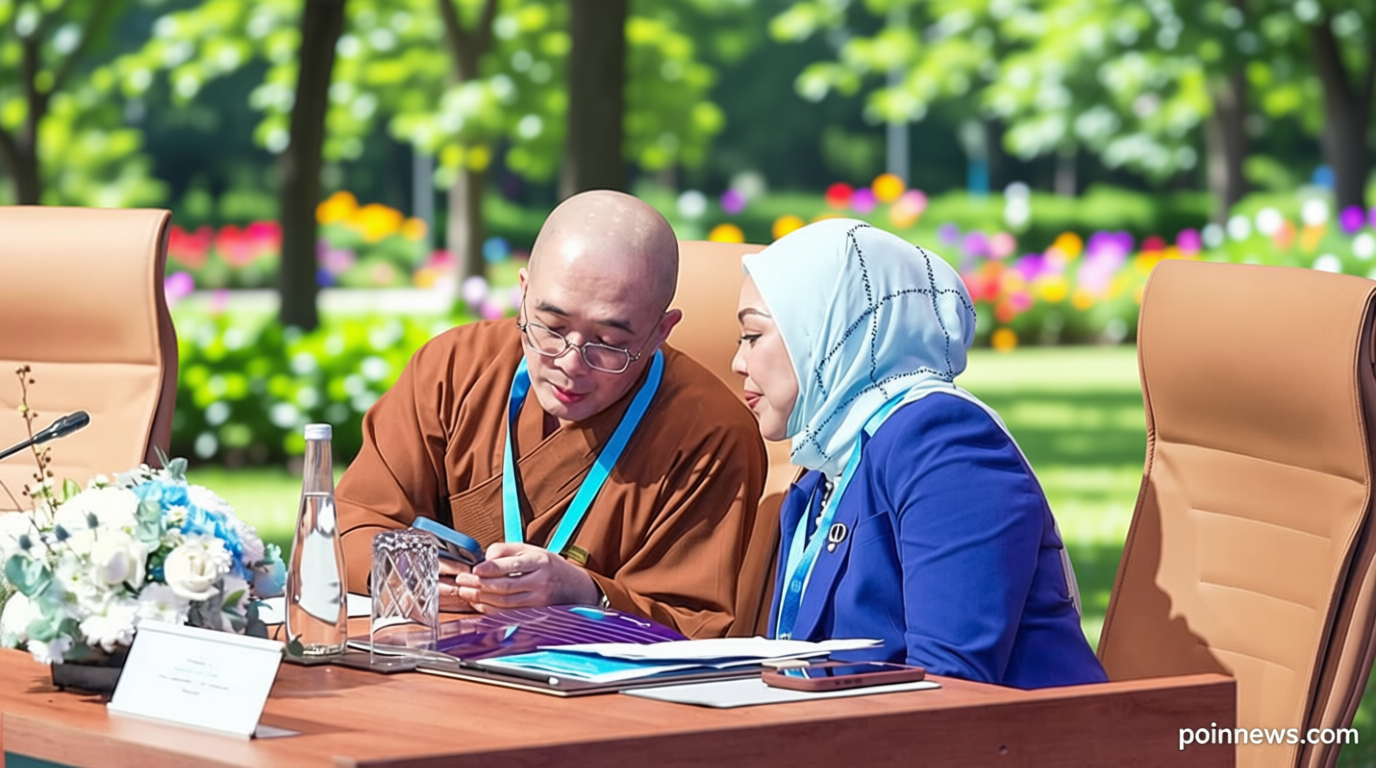
Table of Contents
Malaysia’s 3rd International Summit of Religious Leaders: Faith as a Youth Empowerment Tool
Poinews.com – Malaysia’s 3rd International Summit of Religious Leaders, held in Kuala Lumpur from June 18 to 20, brought together over 1,200 participants representing 50 countries. Organized by the Malaysian Ministry of Religious Affairs in partnership with the Muslim World League, the summit aimed to address pressing global issues while emphasizing the transformative potential of faith in shaping the future of young generations. With a focus on bridging gaps between religious traditions and fostering collaboration, the event provided a platform for leaders to share insights on how spiritual values can be harnessed to empower youth through education, mentorship, and community engagement.
Key Themes: Human Dignity and Interfaith Harmony
Central to the summit’s agenda was the reaffirmation of human dignity as a foundational principle for building resilient and inclusive communities. Delegates from diverse faiths—Islam, Christianity, Buddhism, Hinduism, and others—underscored the importance of interfaith harmony in countering extremism and promoting social cohesion. One of the primary goals of Malaysia’s 3rd International Summit of Religious Leaders was to highlight how shared religious values could be leveraged to address modern challenges, such as inequality, mental health crises, and the erosion of traditional cultural practices among the youth.
“Religion is not just a personal belief but a collective force that can unite people across borders,” said Dr. Aminah Salleh, a prominent Islamic scholar and summit participant. “By fostering dialogue and mutual respect, we can ensure that faith remains a source of empowerment rather than division.”
This sentiment echoed throughout the discussions, with attendees emphasizing the need for faith-based initiatives to tackle issues like youth unemployment and digital literacy. The summit also featured workshops on integrating religious teachings into school curricula, with a particular focus on encouraging critical thinking and ethical decision-making among students.
Technological Challenges and Misinformation
As the world becomes increasingly digital, the summit also addressed the role of technology in shaping young people’s perspectives. Panelists warned that the rapid spread of misinformation, often amplified by social media algorithms, could distort religious teachings and create misunderstandings between faith communities. Malaysia’s 3rd International Summit of Religious Leaders explored strategies to combat this, such as promoting digital literacy programs and establishing online platforms for interfaith communication. Experts highlighted the importance of equipping youth with the skills to discern credible information while remaining grounded in their spiritual identities.
“Faith must evolve alongside technology to remain relevant,” noted Reverend James Tan, a Christian leader at the event. “We need to ensure that young people are not only consumers of information but also creators of positive narratives rooted in their beliefs.”
This theme was further reinforced by a session on artificial intelligence’s impact on religious education, where leaders debated how AI tools could be used to personalize learning experiences or automate outreach efforts. However, they also stressed the necessity of human oversight to maintain the authenticity and depth of spiritual teachings in an increasingly automated world.
Strategies for Youth Empowerment and Global Collaboration
Malaysia’s 3rd International Summit of Religious Leaders showcased a range of actionable strategies to empower the youth, including the establishment of mentorship networks, youth-led interfaith councils, and vocational training programs infused with spiritual values. Delegates proposed the creation of a global youth empowerment task force, which would serve as a collaborative hub for religious and secular leaders to pool resources and expertise. Additionally, the summit encouraged the development of youth-friendly religious content, such as podcasts, social media campaigns, and interactive webinars, to engage younger audiences in meaningful ways.
Participants also highlighted the importance of cultural exchange in nurturing youth empowerment. A panel discussion on cross-cultural initiatives revealed how immersive experiences—such as visiting places of worship or participating in shared rituals—could build empathy and understanding among young people. These efforts, they argued, would not only strengthen faith communities but also prepare the youth to become global citizens capable of fostering unity in a fragmented world. The summit concluded with a call for sustained investment in youth programs, stressing that the success of Malaysia’s 3rd International Summit of Religious Leaders depended on long-term commitment and measurable outcomes.
As the event drew to a close, attendees expressed optimism about the potential for religious leaders to play a pivotal role in shaping the next generation’s values. The summit’s discussions underscored the need for Malaysia’s 3rd International Summit of Religious Leaders to serve as a catalyst for ongoing dialogue and action. With a renewed sense of purpose, participants left with a shared vision of a future where faith is not only a personal journey but a powerful instrument for collective progress and youth development. This landmark gathering laid the groundwork for future initiatives that would continue to explore the intersection of spirituality and social empowerment in the years to come.