Planting the seeds of change: Qatar’s Food Security Strategy
e seeds of change: Qatar’s Food Security Strategy Planting the seeds of change has become a defining narrative for Qatar as it redefines its approach to food

Planting the seeds of change: Qatar’s Food Security Strategy
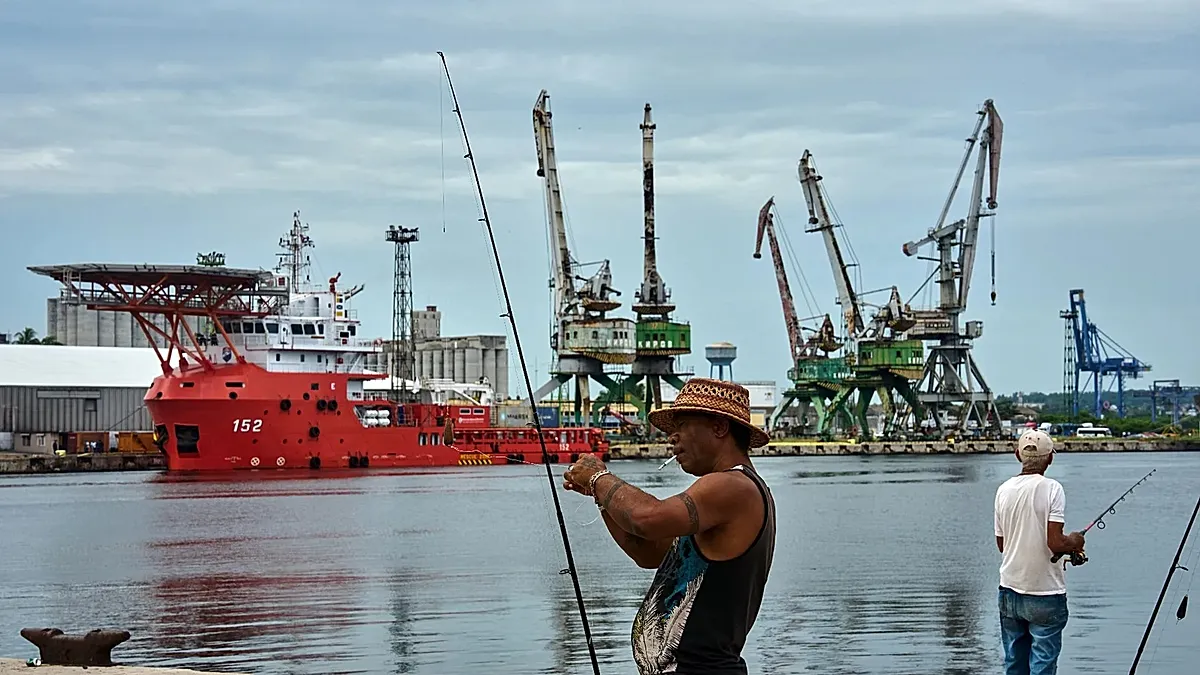
Poinews.com – Planting the seeds of change has become a defining narrative for Qatar as it redefines its approach to food production in an era of global uncertainty. For decades, the nation relied on imported food to meet the needs of its population, with only 2% of its land designated for agriculture due to the harsh desert climate and limited water resources. This reliance on external supply chains was tested during the 2017 blockade, which disrupted trade routes and highlighted the vulnerabilities of a food system dependent on foreign imports. In response, Qatar launched a transformative initiative to secure its food supply, marking a pivotal shift from dependence to self-sufficiency through strategic investments in technology, infrastructure, and sustainable practices.
From Crisis to Innovation
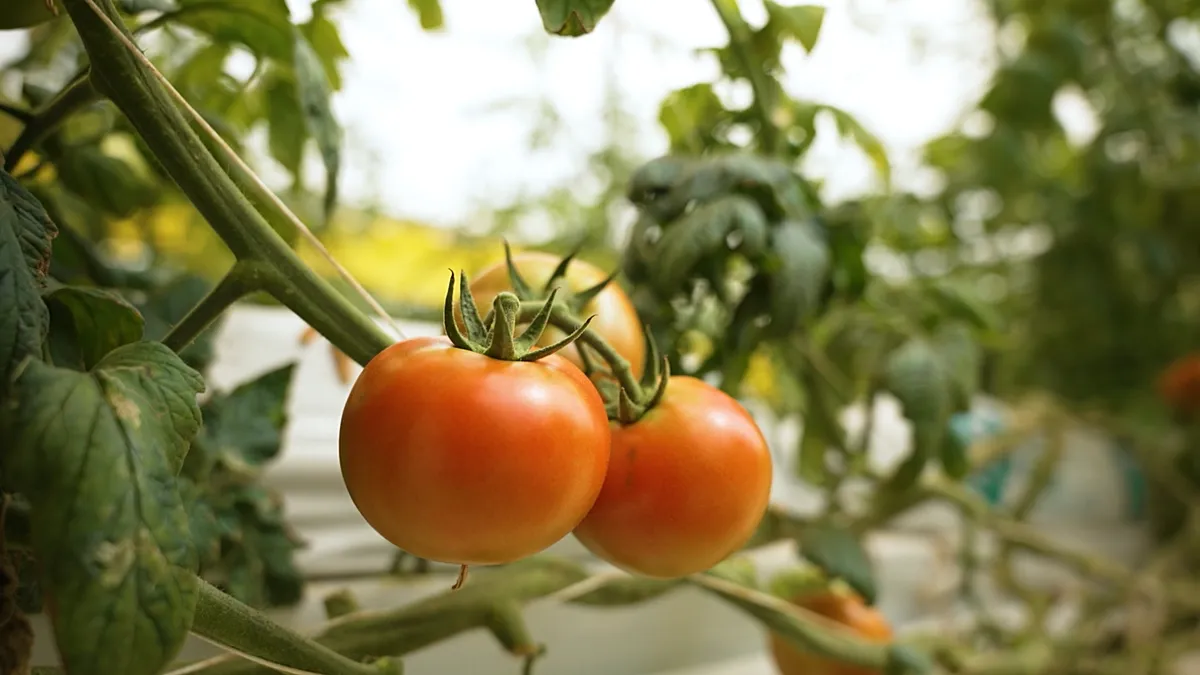
The blockade served as a wake-up call, accelerating Qatar’s commitment to food security. The National Food Security Strategy 2024–2030 emerged as a comprehensive blueprint to address long-term challenges, emphasizing resilience in the face of geopolitical and environmental pressures. This strategy is not merely about increasing crop yields; it represents a cultural and economic transformation, as the country embraces a vision of becoming a hub for innovative agricultural solutions. By integrating advanced technologies such as hydroponics, aquaponics, and automated irrigation systems, Qatar is demonstrating how planting the seeds of change can turn arid landscapes into productive food sources, even in the most extreme conditions.
Central to this transformation is the development of state-of-the-art farms, including the Al Kharsaah Agricultural Research Center, which has become a flagship project for sustainable food production. These facilities leverage cutting-edge research and data-driven methods to optimize water usage and maximize output, ensuring that Qatar can meet its food demands without compromising its ecological balance. The strategy also prioritizes diversification, with a focus on cultivating high-value crops and livestock to reduce vulnerability to market fluctuations and climate variability. This shift underscores Qatar’s determination to plant the seeds of change not just in its agricultural practices, but in its national identity as a leader in innovation.
Technological Breakthroughs in Desert Farming
One of the most remarkable aspects of Qatar’s food security strategy is its reliance on technological breakthroughs to overcome the limitations of its environment. By adopting vertical farming techniques and desert greenhouses, the country is creating controlled ecosystems that thrive regardless of external conditions. These innovations are supported by partnerships with global agricultural experts and private sector investors, who contribute funding, knowledge, and infrastructure to scale operations. For instance, the use of renewable energy sources such as solar power to fuel desalination plants and farming systems ensures that the country can sustain its efforts without depleting finite resources. Planting the seeds of change now means cultivating a future where food production is both efficient and environmentally responsible.
Moreover, Qatar’s strategy incorporates smart farming technologies, including AI-driven crop monitoring and automated harvesting systems, which enhance productivity and reduce labor costs. These advancements are part of a broader push to modernize the agricultural sector, aligning it with the nation’s goals of economic diversification and sustainability. By investing in research and development, Qatar is positioning itself as a pioneer in desert agriculture, setting a precedent for other arid regions worldwide. The success of these initiatives not only strengthens the country’s food security but also reinforces its commitment to planting the seeds of change in both policy and practice.
Another critical component of the strategy is the expansion of aquaculture and livestock farming, which complement land-based agriculture. With the establishment of advanced fish farms and the cultivation of high-yield livestock breeds, Qatar is broadening its agricultural footprint while minimizing reliance on traditional arable land. These efforts are supported by government subsidies and regulatory reforms that streamline the process of setting up new farms and processing facilities. As a result, the nation is moving closer to its target of producing 30% of its food domestically by 2030, a goal that reflects the depth of its commitment to planting the seeds of change and ensuring long-term stability.
Challenges and Future Goals
Despite its progress, Qatar’s food security strategy faces significant challenges, including high initial costs, the need for skilled labor, and the ongoing demand for water. However, the country is addressing these hurdles through targeted policies and international collaboration. For example, the government has launched training programs to equip local workers with the expertise required to operate advanced farming systems, ensuring a sustainable human resource base for the sector. Additionally, partnerships with neighboring Gulf states and global organizations are helping to share resources and knowledge, creating a more resilient regional food network.
Looking ahead, Qatar aims to leverage its food security strategy as a model for other nations facing similar challenges. By 2030, the country expects to achieve 30% domestic food production, significantly reducing its dependence on imports and creating a more self-sufficient economy. The long-term vision includes not only meeting current needs but also fostering a culture of innovation that can adapt to future uncertainties. As the strategy continues to evolve, Qatar’s commitment to planting the seeds of change remains steadfast, ensuring that its agricultural advancements contribute to both national security and global progress.