Trump appears hesitant about ally-proposed plan to demine Strait of Hormuz for commercial traffic
Trump Appears Hesitant About Ally’s Proposal to Demine Strait of Hormuz Trump appears hesitant about ally proposed - During a recent international summit, U.S.

Trump Appears Hesitant About Ally’s Proposal to Demine Strait of Hormuz
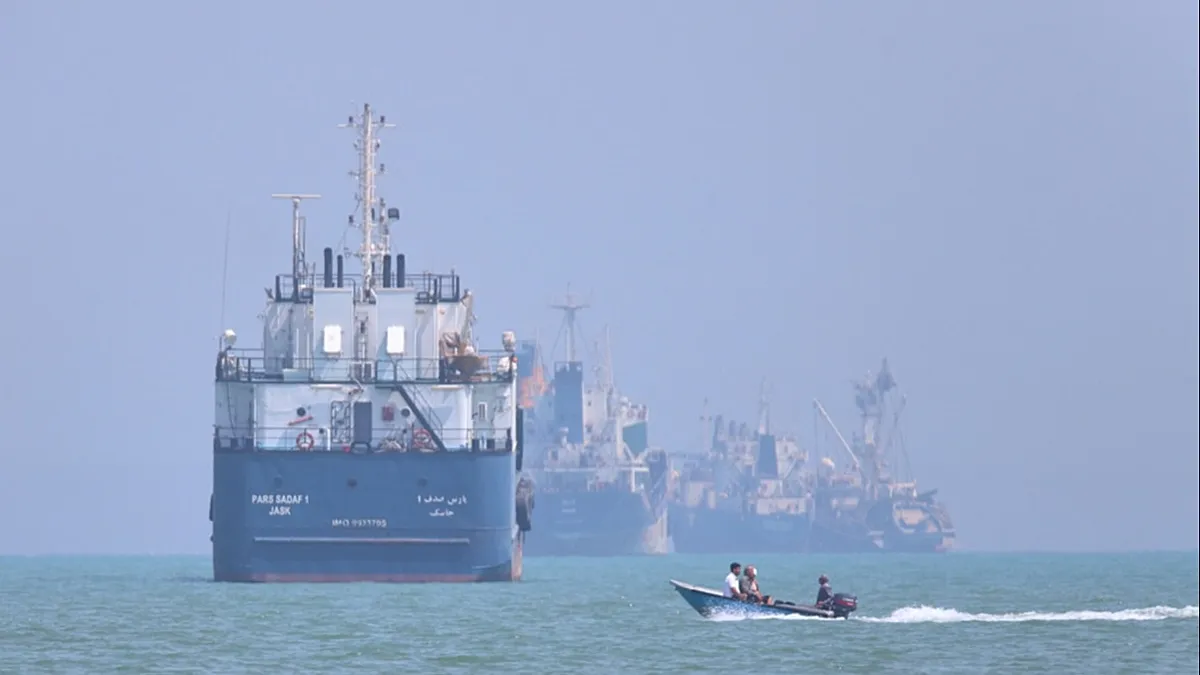
Poinews.com – During a recent international summit, U.S. President Donald Trump demonstrated a cautious attitude toward a proposal by his allies to demine the Strait of Hormuz for commercial shipping. The initiative, which aims to neutralize underwater threats and ensure unimpeded maritime traffic, has sparked debate over its necessity and strategic importance. While the plan is supported by key partners like France and the United Kingdom, Trump’s hesitation has raised questions about the U.S. commitment to the effort.
The Ally-Driven Initiative
The proposal to demine the Strait of Hormuz emerged as a collaborative effort among European and Middle Eastern allies. French President Emmanuel Macron first outlined the plan in March, suggesting a joint military operation to counter Iranian mine-laying activities. The strategy involves deploying naval assets to monitor and clear mines, a critical step in maintaining the waterway’s security. Officials from the United Kingdom and other G7 nations have since endorsed the plan, emphasizing its role in safeguarding global trade routes.
Trump’s skepticism came to light during discussions at the G7 summit in June. When asked about the proposal, he questioned whether the strait required such extensive intervention, stating that the current agreement already allowed for free navigation. “I don’t think it’s a bad idea to have a ship or two up here from a few countries,” he said, while hinting at his reluctance to commit further U.S. resources. His comments suggest a focus on cost-effectiveness and the prioritization of other strategic goals.
Coordinated Coalition Efforts
The demining operation is expected to involve a multinational coalition, with France leading the deployment of its nuclear-powered aircraft carrier, the Charles de Gaulle. Macron highlighted the speed at which France could mobilize its military assets, noting that fighter aircraft could join observation missions by Tuesday, followed by frigates within 48 hours and the carrier arriving within two to three days. The United Kingdom has also pledged support, showcasing its readiness through recent naval exercises near Gibraltar.
Other allies, including the Netherlands and Italy, have expressed willingness to contribute to the mission. These nations are leveraging their naval capabilities to reinforce the coalition’s ability to act swiftly. The proposal underscores the shared interest in maintaining the Strait of Hormuz as a vital corridor for global oil exports, which account for a significant portion of international trade. However, the U.S. hesitation could affect the coordination and effectiveness of the operation.
Despite Trump’s initial doubts, the plan has garnered support from multiple G7 nations. Their joint statement reaffirmed the commitment to “urgently reopen the waterway” and ensure “unconditional and unrestricted freedom of navigation.” This alignment highlights the importance of the Strait of Hormuz in global supply chains and the collective effort to mitigate risks posed by Iranian mines. Trump’s stance, while not entirely dismissive, has left room for uncertainty in the execution of the initiative.
“Perhaps it will not be wanted and perhaps it will not be necessary. But in any case, it reflects our willingness to help,” Macron stated, emphasizing the alliance’s readiness to support the demining plan.
As the coalition prepares to implement the proposal, the role of Trump’s hesitation remains a pivotal factor. While the U.S. is a key player in the region, its cautious approach could influence the overall scope and urgency of the operation. Analysts suggest that the plan may be seen as a diplomatic compromise, balancing the need for security with the desire to avoid overcommitting military resources. The success of the demining effort will depend on the unity of the alliance and the clarity of Trump’s position on the matter.