Trump threatens to bomb Tehran back for every Iranian attack in Hormuz
President Donald Trump announced Wednesday that American forces will target Iranian civilian facilities in response to each attack launched from Tehran

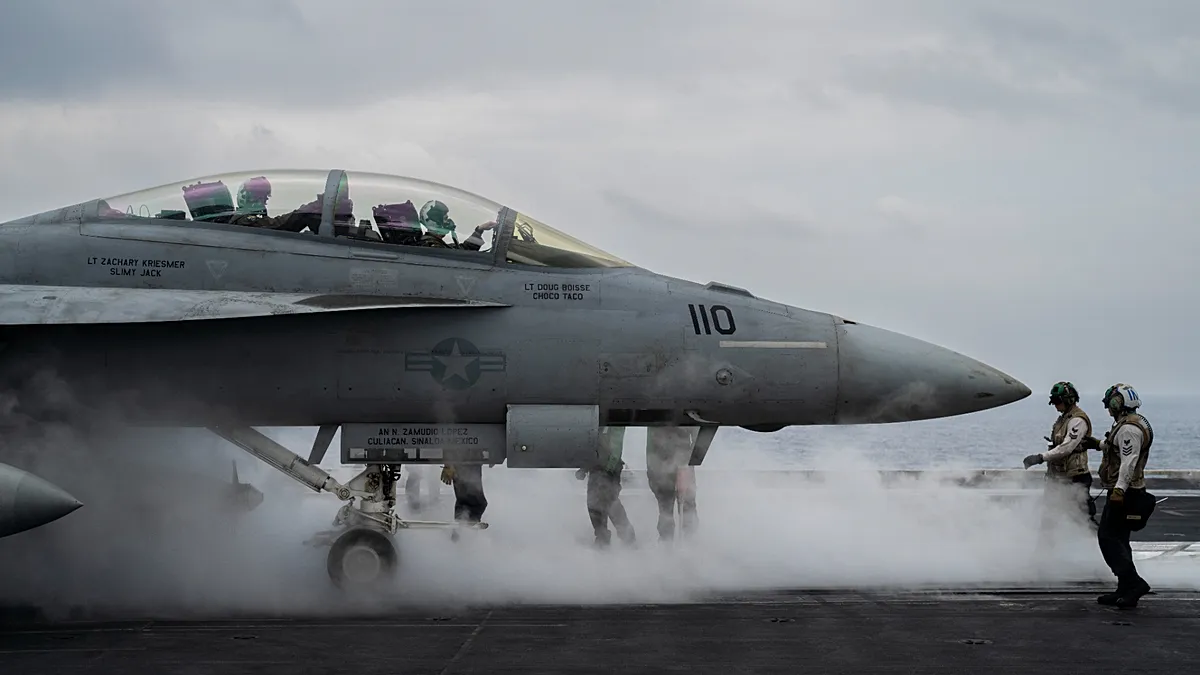
Trump Vows Retaliatory Strikes on Iranian Infrastructure Following Hormuz Incidents
Escalating Tensions in the Persian Gulf
Poinews.com – President Donald Trump announced Wednesday that American forces will target Iranian civilian facilities in response to each attack launched from Tehran against vessels navigating the vital Strait of Hormuz. The declaration arrived as the United States prepared to receive the bodies of three military personnel lost during Iranian assaults on American installations in the region.
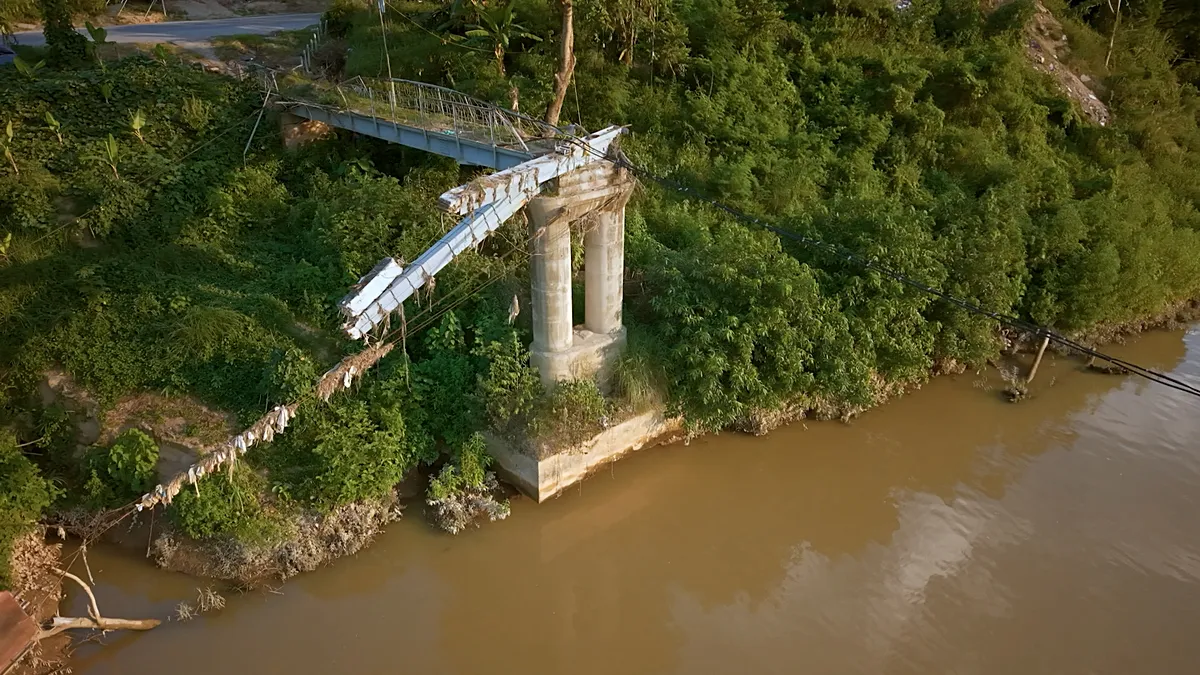
Writing on his Truth Social platform, the commander-in-chief outlined a clear policy: “From this point forward, any time the Islamic Republic of Iran shoots at a ship in the Strait of Hormuz, whether it be by missile, rocket, drone, or any other device or weapon, the United States will bomb and destroy one bridge or power plant.” He emphasized that this retaliation would extend to facilities situated within or adjacent to Tehran itself.
War Costs and Public Opinion
The conflict has already drained $37.5 billion from the American treasury, equivalent to €32.8 billion. Despite concerns about rising fuel costs contributing to inflation, Trump dismissed polling data suggesting American voters oppose the military campaign ahead of November’s midterm elections.
“Americans don’t want high gasoline prices but they’re not against the war, that just came out loud and clear,” Trump stated confidently.
He described the decision to continue hostilities as among the most difficult responsibilities of his presidency, noting that fallen soldiers had expressed strong views against allowing Iran to develop nuclear capabilities.
Regional Impact and Retaliation
Washington has intensified bombardments following the breakdown of a preliminary truce agreement, conducting eleven consecutive days of operations against the Islamic republic. In response, Iranian forces have targeted American military positions throughout the Gulf region.
On Wednesday, Jordanian military officials reported intercepting four Iranian missiles above Aqaba, with two additional projectiles landing in unpopulated zones. Video footage captured by residents of Israel’s Eilat showed smoke clouds visible overhead. Jordanian authorities also confirmed the interception of four Iranian drones.
Iran has deliberately avoided attacking Israel since renewed hostilities began last month, seemingly attempting to prevent Israeli reentry into the conflict. However, the Aqaba incident—located within visual range of Eilat—sparked worries about further regional expansion following the collapsed ceasefire.
Casualties and Ongoing Threats
Another missile warning was issued in Bahrain, while Saudi Arabian officials cautioned citizens of Dammam to take cover. Local authorities subsequently announced that the threat had subsided, though they provided no additional details.
According to Iran’s state-run IRNA news agency, explosions were reported across multiple provinces. The Iranian Health Ministry stated that American bombardments over the previous eleven days resulted in fifty-three fatalities, comprising six women and three children, alongside approximately six hundred wounded individuals.
At Dover Air Base in Delaware, a ceremonial transfer honored two service members who perished in an Iranian strike on a Jordanian base and one soldier killed during a controlled drone detonation in Iraq. A third American remains unaccounted for from the Jordan incident.
Trump has repeatedly promised to avenge the deaths of all American troops “many times over” while increasing warnings about targeting civilian infrastructure. The cumulative toll of American casualties since the conflict began now stands at eighteen.
Nuclear Concerns
On Tuesday, the president reiterated threats to attack what he described as a concealed Iranian nuclear installation known as Pickaxe Mountain. Iranian officials deny any such facility exists at the location, which they refer to as Kolang mountain.
The Islamic Revolutionary Guard Corps (IRGC) has maintained that its counteroffensive operations will persist. Trump characterized the return of the fallen soldiers as an opportunity to honor “great heroes” and reaffirm America’s commitment to preventing Iranian nuclear development.
“All of them said, very strongly, that we can’t let Iran have a nuclear weapon, so we’re going to honour them… For me it’s one of the hardest things to do as president but it has to be done,” he explained.