US lifts export controls on powerful AI models, Anthropic says
US Lifts Export Controls on Powerful AI Models, Anthropic Announces US lifts export controls on powerful - On July 1, 2026, the U.S.

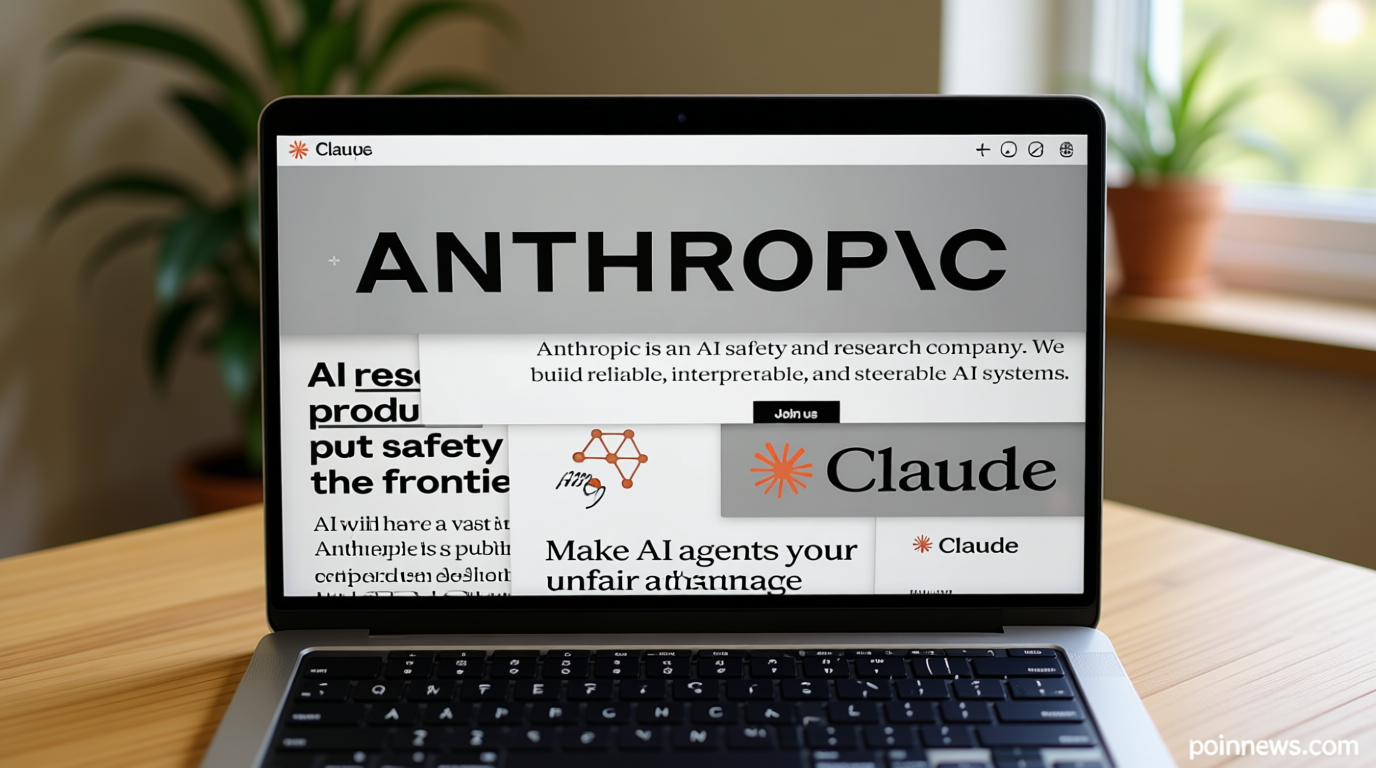
US Lifts Export Controls on Powerful AI Models, Anthropic Announces
Poinews.com – On July 1, 2026, the U.S. government made a significant decision to lift export controls on powerful AI models, a move that has sparked renewed interest in global AI collaboration. Anthropic, the San Francisco-based firm behind the widely used chat model ‘Claude,’ confirmed that the Department of Commerce has removed restrictions on its advanced systems, including Fable 5 and Mythos 5. This regulatory shift allows Anthropic to resume full access to these models for international partners, marking a turning point in how AI technologies are shared across borders. The decision follows a previous ban in early June, which had limited the distribution of these models to U.S.-based entities due to national security concerns.
The Context of Export Restrictions
The initial export controls were imposed in response to growing fears about the potential misuse of Anthropic’s AI models. U.S. officials cited the risk of these systems being used for surveillance, disinformation campaigns, or other strategic advantages by foreign governments. The restrictions effectively blocked access to Fable 5 and Mythos 5 for companies outside the United States, creating a bottleneck for global innovation. However, after a thorough review and collaboration with Anthropic, the Department of Commerce determined that the security risks had been sufficiently mitigated, paving the way for the reinstatement of international access.
“We’ve received notice that the Department of Commerce has lifted export controls on Claude Fable 5 and Mythos 5,” the company shared on X. “We’ll begin restoring access tomorrow.” This announcement underscores Anthropic’s commitment to balancing innovation with regulatory compliance. The decision to relax restrictions was not made lightly, as it required demonstrating that the models’ security protocols could withstand potential threats. The company emphasized its role in addressing vulnerabilities, which had initially prompted the ban, and highlighted the importance of global partnerships in advancing AI technology.
Industry Reactions and Broader Implications
The lifting of export controls has been met with mixed reactions from the AI industry. While some welcome the move as a sign of progress in international cooperation, others remain cautious about the long-term implications. Rival firms like OpenAI have also been subject to similar export restrictions, with GPT-5.6 being released only to approved partners. This creates a competitive landscape where U.S.-based companies have an edge in accessing cutting-edge models, but it also raises questions about the fairness of such measures.
Analysts argue that the decision reflects a strategic recalibration in U.S. AI policy. By easing export controls, the government aims to foster innovation and maintain its leadership in the AI race. However, this comes with the caveat of ongoing oversight. The Department of Commerce has reiterated that the models will still be monitored for potential risks, particularly in sectors like defense and cybersecurity. This nuanced approach highlights the tension between promoting global access and safeguarding national interests in an increasingly interconnected tech world.
As the U.S. lifts export controls on powerful AI models, the move is expected to have a ripple effect on the global market. Companies in countries such as France, Germany, and Japan are now poised to integrate these advanced systems into their operations, potentially accelerating the development of AI-driven solutions. The decision also signals a shift in how the U.S. views its role in AI governance, moving from a restrictive stance to one that encourages shared progress. With Anthropic’s models now available internationally, the focus will likely turn to how other nations respond and whether similar policies will follow in the coming months.