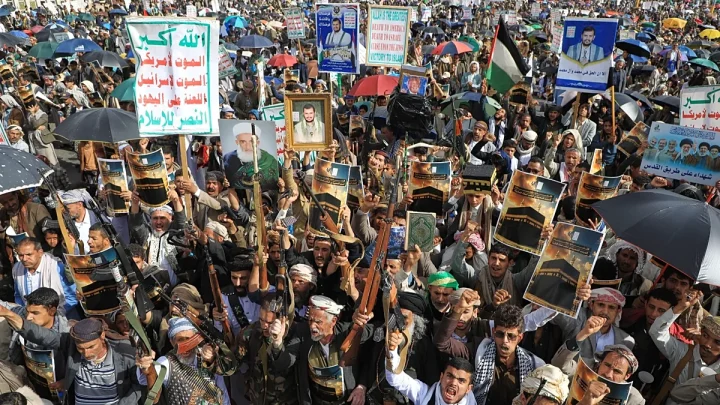
US strikes Bushehr as Iran’s parliament tables bill to control Hormuz
US Strikes Bushehr as Iran's Parliament Tables Bill to Control Hormuz US strikes Bushehr as Iran s parliament - On July 14, 2026, the United States launched

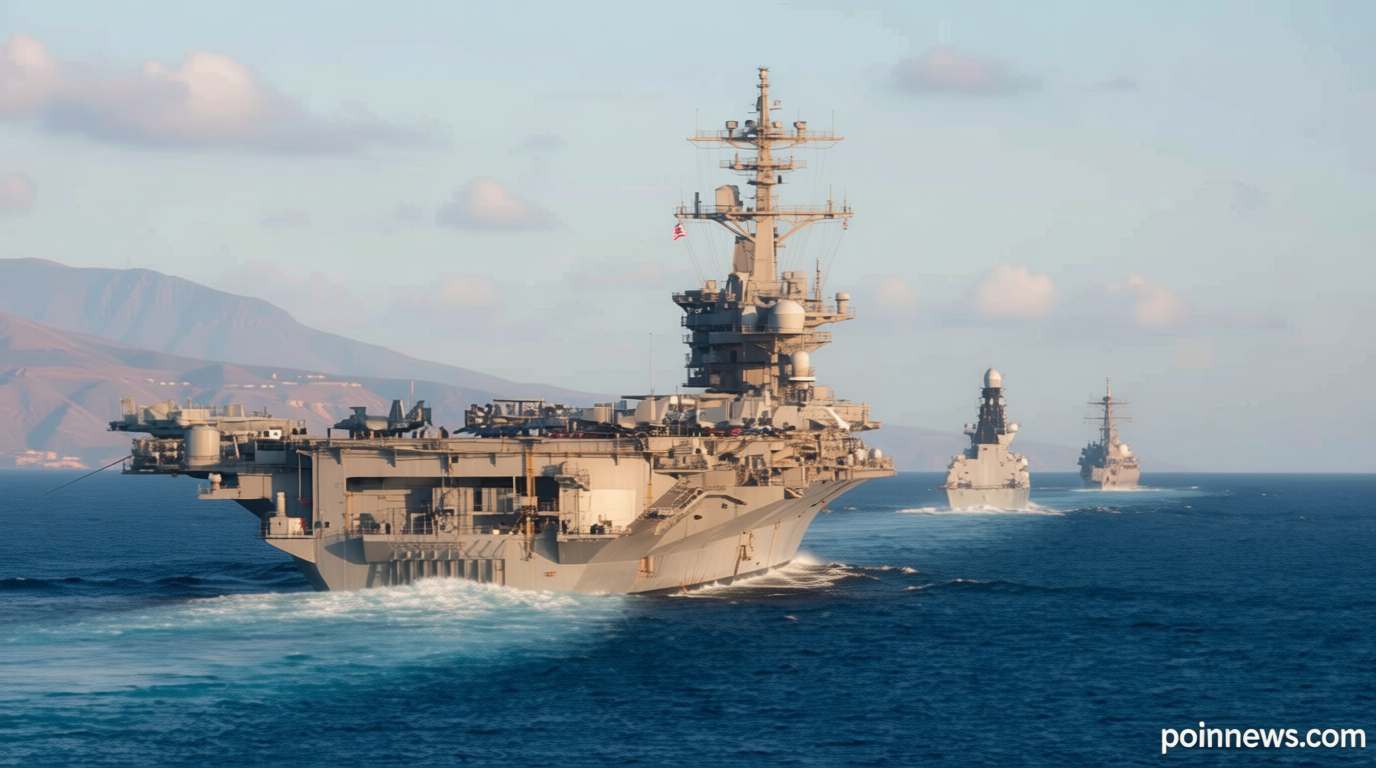
US Strikes Bushehr as Iran’s Parliament Tables Bill to Control Hormuz
Poinews.com – On July 14, 2026, the United States launched military strikes targeting Bushehr, a strategic port city in southwestern Iran, as the Iranian parliament unveiled a proposed bill aimed at securing control over the Strait of Hormuz. The attacks, which hit four locations in Bushehr, followed a series of Iranian missile strikes that damaged two vessels in the Strait of Hormuz earlier that week, resulting in one death and eight injuries. The US action was part of a broader effort to assert influence over the region, with Washington reinstating a maritime blockade on Iranian ports in response to the escalating tensions. This move has raised concerns about the potential for further disruptions in the vital waterway, which is critical for global oil trade.
Escalation of Tensions and Strategic Objectives
The US strikes on Bushehr, which houses Iran’s sole civilian nuclear power plant, came as the Iranian government sought to consolidate its control over the Strait of Hormuz through legislative measures. The parliament’s bill, titled “Strategic Action for the Security and Sustainable Development of the Strait of Hormuz and the Persian Gulf,” was presented amid ongoing US drone strikes in the region. Ebrahim Azizi, head of the National Security Committee, emphasized that the proposal aimed to “secure the strategic interests of the Iranian nation” and counter Western influence. Meanwhile, the US military’s targeting of Bushehr underscored its focus on disrupting Iran’s energy infrastructure and weakening its geopolitical position in the Gulf.
The attacks on Iranian vessels in the Strait of Hormuz were reported to have occurred during a high-traffic period, prompting international calls for de-escalation. The UAE confirmed that the targeted ships were struck by Iranian missiles, while the UK’s Maritime Trade Operations agency noted a separate incident involving a tanker southeast of the Omani coast. These incidents have intensified fears of a renewed conflict, particularly as the June ceasefire agreement between the US and Iran faces growing challenges from domestic and regional opposition.
Regional Fallout and Casualty Reports
Following the US strikes and Iranian missile attacks, regional governments reported significant casualties and infrastructure damage. In Khuzestan province, where Bushehr is located, two deaths and three injuries were confirmed, with Deputy Provincial Governor Ehsan Jahanian stating that “four points in the city of Bushehr were hit by enemy projectiles at noon.” Additional strikes on Abadan and Mahshahr—key oil and port hubs—further disrupted Iran’s energy production and trade routes. The Islamic Revolutionary Guard Corps (IRGC) defended the attacks, asserting that they were necessary to “protect Iranian sovereignty” and counter US pressure.
Meanwhile, the US Central Command announced the reinstatement of a maritime blockade on Iranian ports, effective at 9 pm CET. This measure, which imposed a 20% levy on all cargo shipments through the Strait of Hormuz, was framed as a direct response to Iran’s military actions. President Donald Trump reiterated this stance on Truth Social, declaring that the US would “take control” of the waterway to ensure the free flow of oil and prevent Iranian dominance. The blockade has been criticized for potentially hindering global energy supply and deepening economic strains on Iran.
Geopolitical Implications and Strategic Goals
The US strikes on Bushehr and the Iranian parliament’s proposed legislation have intensified the geopolitical struggle over the Strait of Hormuz. As the waterway remains a focal point for both military and economic maneuvering, the focus keyword “US strikes Bushehr as Iran” highlights the interconnected nature of these actions. Iran’s National Security Committee, led by Ebrahim Azizi, argued that the bill would establish a legal framework to “resist foreign interference” and assert control over the region’s critical chokepoints. This comes at a time when Iran’s military and political leaders are pushing for a stronger stance against US influence, particularly after the June ceasefire agreement failed to quell ongoing disputes.
International reactions to the US and Iran’s moves have been mixed. While the US framed its actions as necessary for regional stability, Iran’s allies have condemned the attacks as an escalation of hostilities. China, a major trading partner with Iran, called for a swift resumption of safe passage through the strait, stating that “the shared demand of the international community” is to “ensure the uninterrupted flow of energy resources.” Beijing also pledged to “make unremitting efforts to help de-escalate” the crisis, underscoring its role as a mediator between the two nations. Meanwhile, the UAE and other Gulf states have expressed concerns about the potential for prolonged conflict in the region.
Historical Context and Regional Dynamics
Strait of Hormuz has long been a symbol of geopolitical rivalry in the Gulf. The US’s decision to strike Bushehr as Iran’s parliament tabled its control bill marks a new phase in this enduring struggle. The waterway, which connects the Persian Gulf to the Arabian Sea, has seen repeated clashes between Iran and Western powers, with the US frequently deploying naval forces to safeguard its interests. This latest incident follows a pattern of US military interventions in the region, including drone strikes and naval blockades, which have been used to exert pressure on Iran’s energy and trade sectors.
Iran’s parliament, which had paused its sessions since February, is now taking an active role in shaping the country’s strategic response to US actions. The bill to control Hormuz is seen as a way to “legally empower” Iran to manage the waterway independently, countering US claims of regional leadership. Deputy Governor Valiollah Hayati of Khuzestan province confirmed that the attacks on Abadan and Mahshahr had caused extensive damage, with “explosions recorded west of Bandar Abbas” further complicating the situation. These developments have raised alarms about the potential for a larger conflict, with experts warning that the strait’s strategic importance could lead to more severe consequences for global markets and regional stability.