Video. First whales killed as Iceland restarts commercial hunt
Hunt First whales killed as Iceland restarts - Iceland has officially resumed its commercial whaling operations, marking a significant moment in the nation's

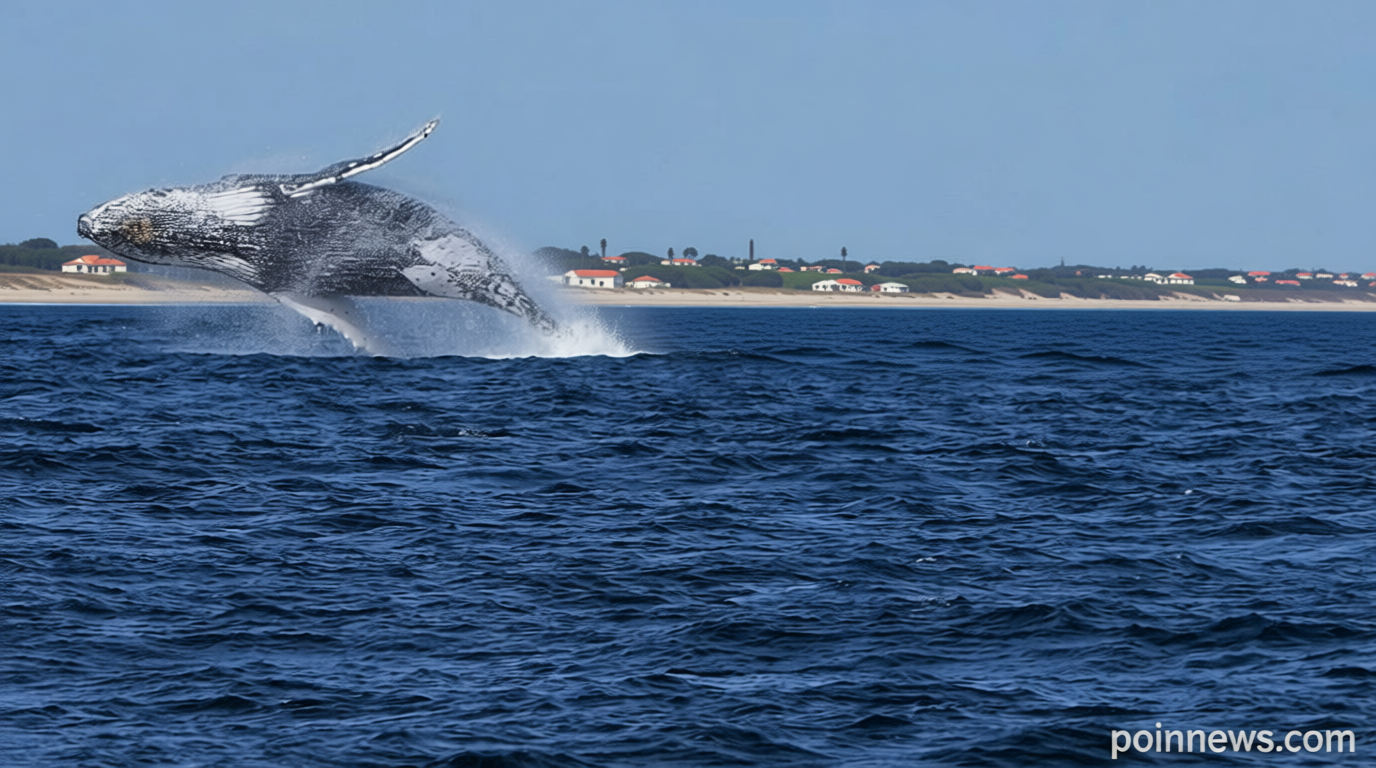
Video. First Whales Killed as Iceland Resumes Commercial Hunt
Poinews.com – Iceland has officially resumed its commercial whaling operations, marking a significant moment in the nation’s long-standing tradition of hunting whales. The first whales were killed earlier this week as the country lifted a two-year moratorium on the practice. At the Hvalur whaling facility in Grímsey, workers began processing the animals, a process that has sparked renewed attention from environmental groups, marine scientists, and international observers. The resumption of the hunt comes amid ongoing debates about the sustainability of whale populations and the ethical implications of commercial whaling in the modern era.
The History and Practice of Icelandic Whaling
Commercial whaling in Iceland dates back centuries, rooted in the country’s reliance on whale meat as a staple food source and a symbol of national identity. Historically, the hunt was driven by both economic and cultural factors, with Icelanders viewing it as a vital part of their heritage. The most recent pause in the hunt, from 2022 to 2024, was partly due to pressure from the European Union, which had threatened to ban the practice unless Iceland met certain sustainability criteria. However, with the EU’s stance shifting and domestic demand for whale products rising, Iceland has moved to restart its operations.
The focus keyword “First whales killed as Iceland” is central to the story, as the two fin whales processed this week represent the initial phase of the season. These whales were hunted off the coast of Iceland, a region known for its rich marine biodiversity. The event has been closely watched by activists, who argue that the resumption of hunting could threaten the survival of several whale species. Despite this, the Icelandic government maintains that its practices are regulated and contribute to the local economy, particularly in coastal communities that depend on the industry.
International Reactions and Conservation Concerns
Global responses to Iceland’s decision have been mixed, with some nations and organizations expressing concern over the impact on marine ecosystems. The International Whaling Commission (IWC), which has been a key advocate for whale conservation, has criticized the move, citing the declining numbers of certain species. For instance, the fin whale population has been steadily decreasing due to overhunting, habitat loss, and climate change. Critics argue that the resumption of commercial whaling could accelerate these declines, especially since Iceland has historically hunted large numbers of whales for meat, oil, and other byproducts.
“The first whales killed as Iceland resumed its hunt highlight the tension between tradition and conservation,” said a spokesperson for the World Wildlife Fund. “While the country has made efforts to manage its whale populations, the scale of the operation raises questions about long-term viability.”
Environmentalists have also raised concerns about the methods used in the hunt, including the use of harpoons and the efficiency of modern processing techniques. The hunt’s resumption has reignited discussions about the role of whales in the ocean’s ecological balance and the potential consequences of their overexploitation. With the focus keyword “First whales killed as Iceland” now part of the broader narrative, the issue has gained renewed international visibility.
The resumption of commercial whaling in Iceland has drawn attention to the broader context of global whale hunting. Alongside Norway and Japan, Iceland is one of the few nations still actively engaging in the practice, despite the IWC’s moratorium on commercial whaling since 1986. While the IWC has classified Iceland as a “non-observer” member, the country continues to hunt whales under its own regulations. The focus keyword “First whales killed as Iceland” underscores the significance of this moment, as it marks the return of an activity that has been both celebrated and contested for decades.
As the hunt continues, there is growing interest in how Iceland will manage its whale population to ensure sustainability. The country has implemented quotas and age restrictions for certain species, but these measures have been criticized as insufficient by conservationists. The processing of the first whales has already generated controversy, with some arguing that the hunt is a necessary part of Iceland’s cultural and economic fabric, while others see it as a threat to marine biodiversity. The focus keyword “First whales killed as Iceland” remains a key point of discussion, as it symbolizes the intersection of history, tradition, and environmental responsibility in the nation’s approach to whaling.
Looking ahead, the success of Iceland’s resumption of commercial whaling will depend on how the industry adapts to modern conservation standards. The government has emphasized its commitment to sustainable practices, citing scientific studies that suggest the current hunt levels are within safe limits. However, the focus keyword “First whales killed as Iceland” has already set the tone for the season, and the coming months will be critical in determining whether the hunt can coexist with efforts to protect whale populations. With international pressure mounting and local demand fluctuating, the future of Icelandic commercial whaling remains uncertain, but the first whales killed as Iceland restarts the hunt will be remembered as a pivotal moment in the ongoing dialogue about marine conservation and traditional practices.