Video. Lebanon: Tyre residents return to homes shattered by strikes
y Strikes Lebanon - In the aftermath of relentless strikes that have ravaged parts of Lebanon, residents of the coastal city of Tyre have begun to return to

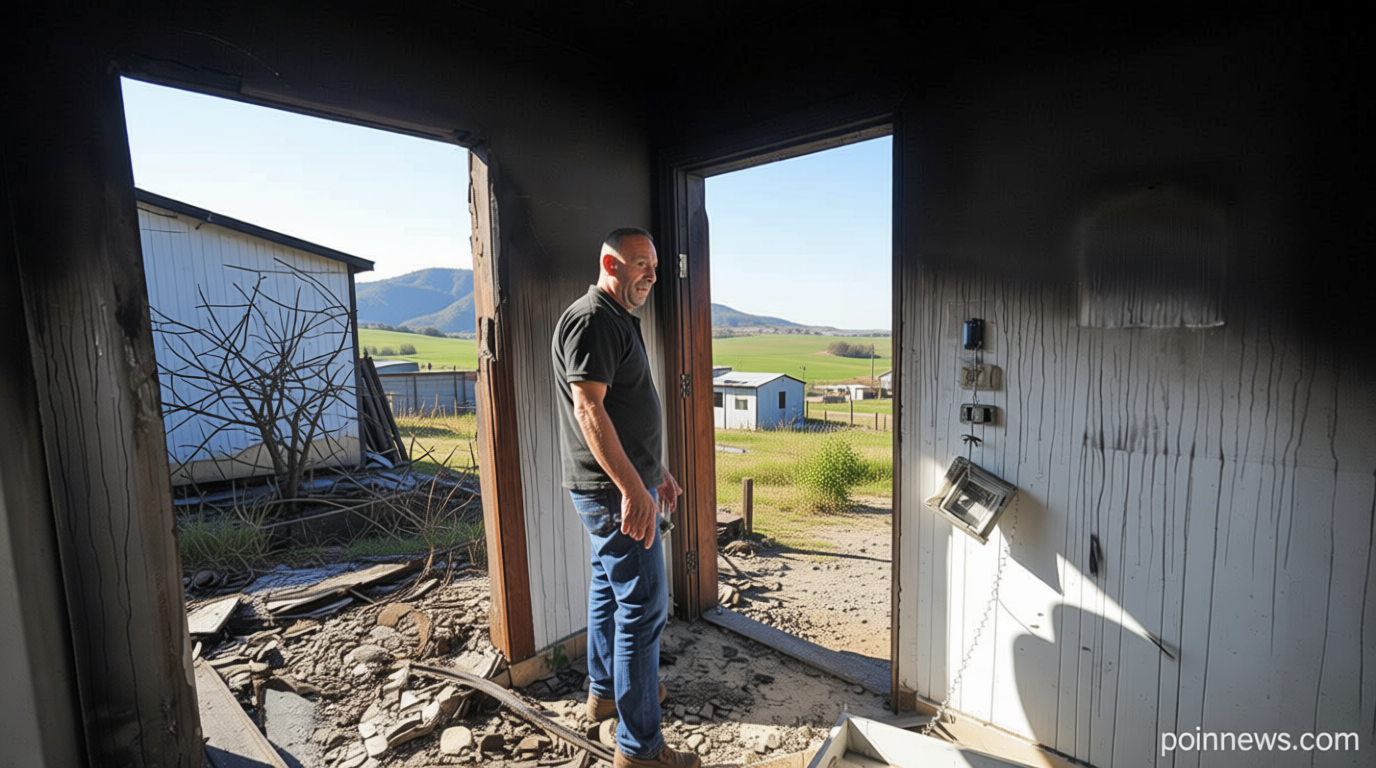
Table of Contents
Lebanon: Tyre Residents Return to Homes Shattered by Strikes
Poinews.com – In the aftermath of relentless strikes that have ravaged parts of Lebanon, residents of the coastal city of Tyre have begun to return to their homes, many of which are now in ruins. The damage, inflicted over weeks of intense conflict, has left families grappling with the emotional and physical toll of the war. Tyre, a historic city in southern Lebanon, has become a symbol of resilience as its inhabitants step cautiously back into their shattered living spaces. The return to these homes, though a small victory, highlights the ongoing struggle to rebuild amidst the devastation.
Lebanon’s Conflict Leaves Tyre in Ruins
The strikes, primarily targeting infrastructure and residential areas, have not only caused immediate destruction but also disrupted the daily lives of thousands of people in Lebanon. Adnan Kaour, a Tyre resident, described the haunting sight of his home, once a sanctuary of family memories, now reduced to a skeleton of its former self. “The home was more than just a structure—it held the essence of our lives and the dreams we built together,” Kaour shared, his voice heavy with emotion. This sentiment is echoed by many others who have returned to their properties, confronting the remnants of war with a mix of grief and determination.
The Human Cost of War in Lebanon
For months, the conflict in Lebanon has forced families to flee their homes, seeking shelter in temporary camps or distant relatives’ houses. Now, with the situation showing signs of stabilization, some have taken the first steps to reclaim their lives. However, the process is far from simple. Many homes are damaged beyond repair, requiring extensive reconstruction efforts. In Tyre, local officials are working alongside volunteers to assess the damage and prioritize rebuilding, but resources remain limited. The emotional weight of returning to a place that has seen so much destruction is palpable, with families often struggling to reconcile their memories of peace with the reality of war.
While the physical destruction is visible, the psychological impact on Lebanon’s residents is equally profound. Children, in particular, have been affected deeply, as their homes and schools have been targeted. Parents are now taking on the dual role of caregiver and protector, ensuring their children’s safety in a city where the echoes of explosions still linger. Despite the trauma, there is a quiet hope in the air. For many, the decision to return to their homes signifies a refusal to let the conflict define their future. This hope, however, is tempered by uncertainty about the long-term stability of the region.
The Role of US-Iran Agreement in Lebanon’s Recovery
As Tyre residents begin to rebuild, a major development in the broader geopolitical landscape has sparked cautious optimism. A preliminary agreement between US President Donald Trump and Iran, signed in Paris, has initiated a 60-day negotiation period aimed at easing regional tensions. While the deal does not directly involve Lebanon, it is seen as a potential turning point for the country. The agreement could pave the way for reduced military activity between Lebanon’s allies and its adversaries, offering a glimmer of hope for the people of Tyre.
Lebanon’s leaders have expressed cautious support for the US-Iran pact, recognizing its potential to alleviate some of the pressure on the nation’s fragile infrastructure. The conflict in Lebanon has placed immense strain on its resources, with many families unable to afford repairs or replacements. The US-Iran agreement, if successful, could lead to a decrease in cross-border strikes, allowing communities to focus on long-term recovery. However, the success of this deal depends on its ability to address the root causes of the conflict, which have plagued Lebanon for years.
Lebanon’s situation remains precarious, with the war affecting not only its southern regions but also its economy and political stability. The country has faced a series of challenges, including financial crises and internal divisions, which have compounded the effects of the strikes. Despite these hurdles, the people of Tyre continue to demonstrate a remarkable spirit of endurance. Their return to damaged homes is not just a personal act but a collective statement of perseverance in the face of adversity.
As reconstruction efforts gain momentum, the role of international support is becoming increasingly important. Aid from neighboring countries and global organizations has been crucial in providing materials and expertise for rebuilding. However, the pace of recovery remains slow, with many families still relying on temporary shelters. The emotional resilience of Lebanon’s residents, particularly those in Tyre, is a testament to their unyielding determination. For them, the path to recovery is not just about repairing buildings but restoring a sense of normalcy and safety in a region that has endured so much.